

 en
en  English
 Español


Content
One of the first decisions a hair care brand makes is the bottle its formula will live in. The right container protects the product during shipping, survives hundreds of pumps, and communicates the brand's position at shelf level. The wrong one can leak, crack, or cheapen an otherwise premium formula. Based on our experience in plastic bottle manufacturing, we recommend starting with the chemistry of your formula, then moving to material, closure, capacity, and finishing.
Start with your formula and packaging requirements
Your formula determines the primary stress your packaging has to withstand. Oils, alcohol, and acidic ingredients can slowly attack certain polymers, and volatile compounds may migrate through the bottle wall. For shampoos and conditioners with botanical extracts, essential oils, or high alcohol content, a chemically resistant resin is a safer starting point. A 230ml PP round bottle from our hair care line, for example, is engineered for both chemical and wear resistance, making it a practical fit for formulas that need a more robust container.
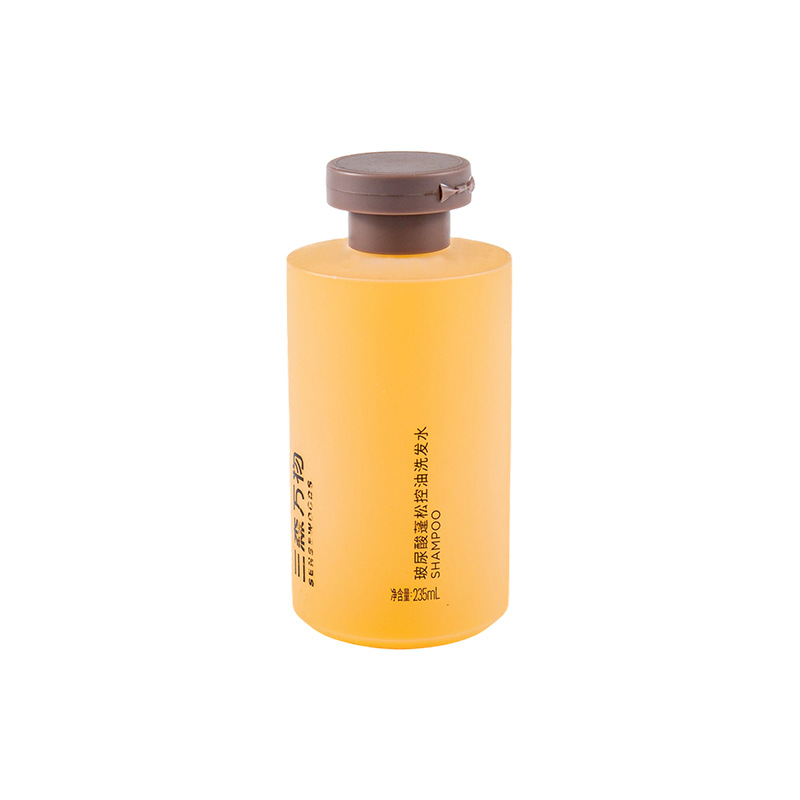 Chemical and Wear-Resistant PP Round Bottle for Hair CareThis 230ml PP bottle offers excellent chemical resistance and durability, making it a safer choice for shampoos and conditioners containing botanical extracts, essential oils, or high alcohol content. Its robust design prevents degradation and deformation, ensuring long-term use.View Product →
Material choices: PE, PET, or PP?
Once you know the chemical profile, choose the resin. Each plastic offers a useful set of trade-offs, and understanding those trade-offs helps you avoid compatibility failures or unnecessary cost. The table below summarizes the three most common resins used for shampoo and conditioner packaging.
| Material | Key Strengths | Typical Hair Care Use | Points to Watch |
|---|---|---|---|
| PE | Lightweight, flexible, shatter-resistant, low cost | Large shampoo and conditioner bottles, pump bottles | Lower clarity; less rigid than PET or PP |
| PET | Glass-like clarity, good gas barrier, strong | Transparent shampoo bottles, clear conditioner packaging | Can crack under severe impact; heat tolerance is lower than PP |
| PP | Rigid, chemical-resistant, heat-tolerant | Formulas with alcohol, essential oils, or aggressive ingredients | More opaque; usually requires pigment or labeling for a premium look |
PE is the traditional choice for large shampoo bottles because it is inexpensive and flexible. It handles repeated squeezing and does not shatter, which is an important safety trait in a shower environment. The trade-off is clarity: PE tends to look matte or milky. A 380ml PE round bottle from our hair care range offers this durable, lightweight profile for a brand that wants a soft, easy-to-squeeze container.
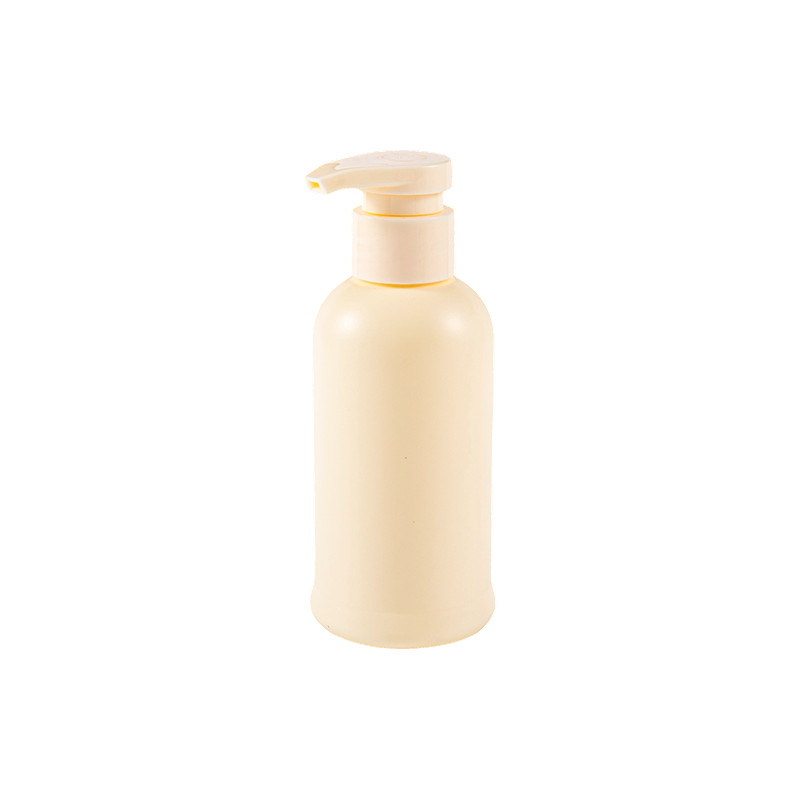 Simple Milky White PE Round Bottle with PumpThis 380ml PE bottle is durable, flexible, and drop-resistant, ideal for shampoos needing a soft, easy-to-squeeze container. The milky white frosted surface provides a comfortable grip, and the push-pump dispenses smoothly, reducing waste.View Product →
If you want a translucent pink or green bottle, PET gives you that transparency and a crisp, glossy surface. PET also provides a stronger barrier against moisture loss, which helps keep the formula stable over time. A 500ml PET shampoo bottle is a strong example of this transparency plus durability combination.
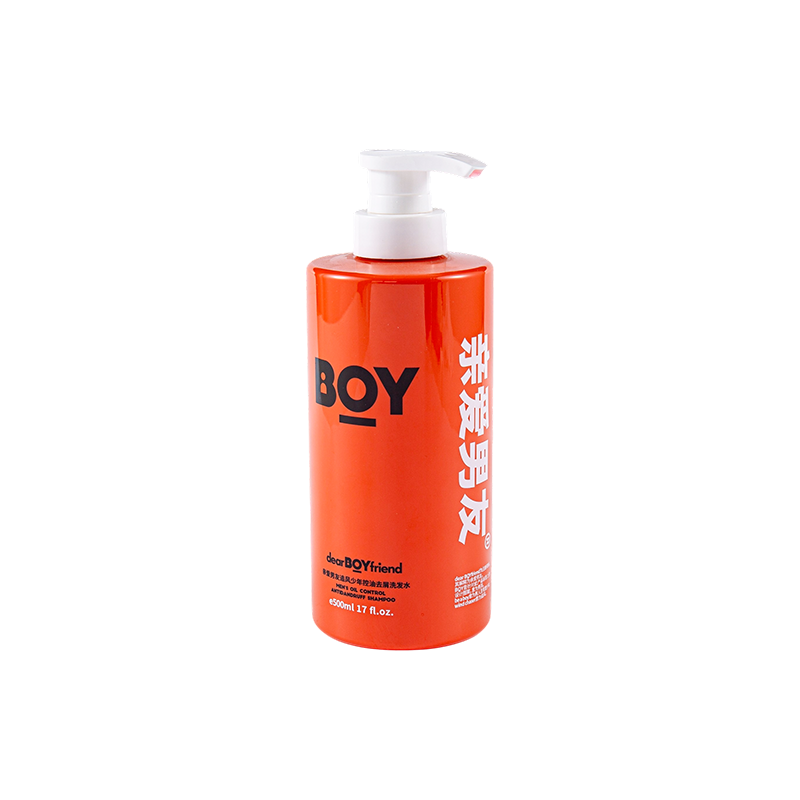 Transparent PET Shampoo Bottle with PumpThis 500ml PET bottle offers clarity and a glossy finish, plus a strong moisture barrier to maintain formula stability. Its vibrant orange-red gradient enhances shelf appeal, and the pump ensures leak-free, even dispensing, suitable for shampoos.View Product →
PP offers the strongest chemical resistance, and its rigidity is ideal for bottles that need to stand up to pressure from a pump or for formulas rich in natural oils.
Bottle size, pump, and closure matching
Shampoo applications vary from 50ml travel sizes to 1L salon refill sizes. The size you choose affects the closure type, the pump stroke volume, and how the bottle feels in the hand. A 500ml bottle with a 24/410 pump is a common geometry for daily use. For a thicker conditioner, a pump with a wider outlet reduces clogging; for a lightweight spray conditioner, a fine mist head may be more suitable. If the product is a hair oil, a fine-mist or dropper might be required. For foam products, a mousse pump works better than a standard lotion pump. Capacity also drives your package cost: larger bottles use more resin, but they reduce per-unit filling labor.
- 50ml to 100ml: travel, sample, and trial sizes
- 200ml to 300ml: smaller retail sizes for targeted use
- 380ml to 500ml: the most common shampoo and conditioner bottle range
- 650ml to 1000ml: family-size and salon-refill options
Print, label, and surface finishing
The surface treatment of a hair care bottle carries as much brand weight as the bottle shape. In-mold labeling can give a seamless, all-around label that survives humidity well. Silk-screen printing works on smooth bottle walls and is durable for products that are frequently wet. Frosted or transparent finishes create a different shelf impression. If your formula is naturally colored, a clear bottle can showcase it; if the formula needs UV protection, a colored bottle becomes a functional, not just aesthetic, choice. Many brands also mix two surface finishes, such as a frosted body with a glossy cap, to visually separate the formula from the dispenser. Embossing or debossing on the bottle wall is another option, though it may require a thicker wall and a more complex mold.
Quality control and cleanroom manufacturing
Cosmetic packaging that touches the formula should be produced under conditions that prevent contamination. A Class 100,000 cleanroom, combined with an ISO quality system, helps keep particles and microbial loads under control. This matters for hair care products that include plant extracts and natural active ingredients, which can be more sensitive to contamination. A manufacturer with a dedicated cleanroom and in-process inspections can reduce batch rejections and give you confidence that the bottles arriving at your filling line are consistent.
Sustainability and regulatory considerations
Sustainability is a real purchasing criterion for many consumers, but it also creates technical constraints. Recycled plastics can be a solution for some resin families, yet they often carry color and odor variations that can affect the final look of a premium bottle. If you choose a recyclable single-material design, you also simplify the end-of-life story. The resin grade also affects how easily a bottle can be recycled; mono-material designs with no metal spring or ball in the closure are easier for consumers to dispose of correctly. Another factor is regulatory compliance for cosmetic packaging: the bottle must not leach into the formula, and the material must be suitable for contact with cosmetic ingredients. Working with a supplier that can document its resin grades and production parameters makes compliance easier.
A sample buying decision path
Here is a simple path we recommend for hair care brands moving from concept to production.
- Confirm the compatibility of the formula with the polymer.
- Choose the bottle size and closure type based on the use scenario.
- Evaluate the shelf appearance and printing options.
- Verify the supplier's cleanroom and quality controls.
- Review the minimum order quantity, lead time, and customization cost.
The most effective hair care packaging decisions are made before the artwork is finalized. If you are choosing between resins, start with a compatibility test, then compare cost per bottle at your planned volume. A supplier that can support tooling, injection, blow molding, printing, and labeling under one roof can eliminate many handoff issues. For a step-by-step guide to selecting PET bottles, we recommend reading how to choose the best PET bottle for your product. That resource walks through the practical questions we have seen brands face when moving from sample to full production.
