

 en
en  English
 Español


Content
- 1 How PE, PP, and PET Compare as Medicine Packaging Materials
- 2 Polyethylene: The Practical Workhorse for Capsules and Tablets
- 3 Polypropylene: The Heat-Resistant Option for Liquid Medicines
- 4 PET: The Clear Choice for Supplements and Capsules
- 5 Practical Buying Considerations Beyond the Polymer
- 6 Final Recommendation for Medicine Packaging Material Selection
During a routine quality audit, a pharmaceutical brand discovered that its 30ml pill bottles had absorbed moisture during warehouse storage. The active ingredient in the tablets had started to degrade, and the entire batch was rejected. The problem was not the formula. It was the packaging material. This kind of failure is preventable when material selection begins with the drug's chemistry rather than the container's appearance.
For most solid-dose medicines, three plastic materials cover the practical range: polyethylene (PE), polypropylene (PP), and polyethylene terephthalate (PET). Each offers a distinct balance of chemical resistance, moisture protection, mechanical durability, and cost. The right choice depends on what you are packaging, how long it needs to stay stable, and where it will be stored.
How PE, PP, and PET Compare as Medicine Packaging Materials
Before selecting a container, it helps to see the three materials side by side. The table below summarizes the properties that matter most in pharmaceutical and nutraceutical packaging.
| Property | HDPE | PP | PET |
|---|---|---|---|
| Transparency | Opaque | Translucent | Crystal clear |
| Moisture barrier | Good | Moderate | Excellent |
| Chemical resistance | Excellent | Good | Moderate |
| Temperature tolerance | Up to 80°C | Up to 140°C | Up to 70°C |
| Impact strength | High | Moderate | Good |
| Relative cost | Low | Moderate | Moderate |
| Typical medicine uses | Capsules, tablets, vitamins | Syrups, liquid medicines | Supplements, capsules |
This comparison shows that no single material is universally superior. The decision is a trade-off between barrier performance, mechanical robustness, and unit cost.
Polyethylene: The Practical Workhorse for Capsules and Tablets
PE is the most widely used plastic in pharmaceutical packaging. It comes in two main grades: high-density polyethylene (HDPE) and low-density polyethylene (LDPE). HDPE is rigid and offers a better moisture barrier, making it a common choice for vitamin bottles and capsule containers. LDPE is flexible and squeezable, which suits liquid or semi-solid formulations.
PE resists most acids and alkalis, which matters when a container holds formulations with active ingredients that can react with certain polymers. It is also impact-resistant, which means fewer breakages during shipping and handling. For budget-conscious brands producing high-volume supplements, PE is often the most economical option while still meeting basic stability requirements.
When evaluating PE bottles, pay attention to wall thickness and shoulder design. A 1.5mm wall provides better transport protection than a thinner container, especially for large formats. If you are looking at PE for personal care or supplement packaging, it is worth noting that some PE bottles are now designed with a frosted or matte surface that improves grip and shelf appeal. For a closer look at PE bottle benefits and when they make sense, see what are the benefits of using a PE bottle.
Polypropylene: The Heat-Resistant Option for Liquid Medicines
PP stands out for its temperature tolerance. It can handle up to 140°C, which makes it suitable for hot-fill processes and for medicines that require autoclaving during packaging. This property also means PP bottles can be washed at higher temperatures before filling, which helps reduce microbial load.
PP has good resistance to organic solvents and moderately aggressive chemicals. For syrup bottles, liquid oral medications, and even some cream-based formulations, PP is often preferred because it does not soften or warp when the medicine is filled at elevated temperatures. It is also lighter than glass, which reduces shipping weight and contributes to lower logistics costs.
One limitation of PP is its translucency. It is not fully transparent, which can make it harder for consumers to verify the medication level. If visual inspection of liquid volume is critical, PET may be a better fit.
PET: The Clear Choice for Supplements and Capsules
PET is the go-to material when clarity is a requirement. Its crystal-clear appearance lets consumers see the product inside, which builds trust in supplements and over-the-counter medicines. PET also provides an excellent moisture and oxygen barrier compared to PE and PP, helping extend the shelf life of moisture-sensitive ingredients.
PET bottles are stronger and lighter than glass, and they can be manufactured in complex shapes with high dimensional accuracy. For a 480ml capsule bottle that needs transparent, corrosion-resistant packaging, PET offers a practical balance between durability and visible product presentation. An example of this is the 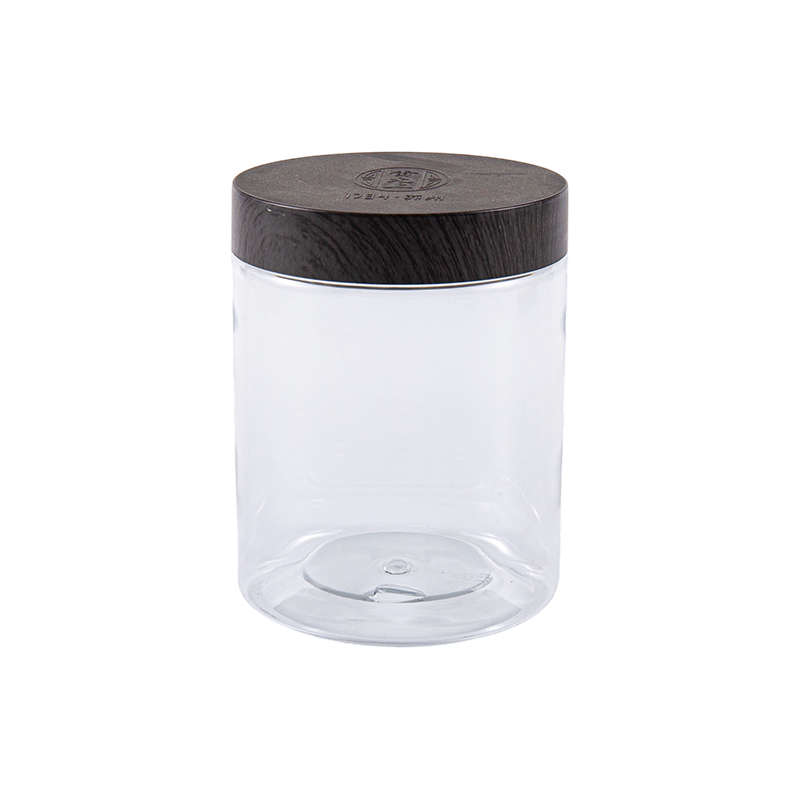 480ml Transparent PET Bottle with Corrosion ResistanceThis 480ml PET bottle offers corrosion resistance and transparency, ideal for dietary supplements and personal care products. Its durability and chemical compatibility ensure safe storage without compromising product visibility.View Product →, which is designed for dietary supplements and medical capsules where visibility and chemical resistance are both needed.
PET also performs well in drop tests. The material does not shatter like glass, and it resists cracking during normal handling. If you need a bottle that looks premium but does not break easily, PET is a strong candidate. For more guidance on selecting the right PET bottle for your application, refer to how to choose the best PET bottle for your needs.
Practical Buying Considerations Beyond the Polymer
Material selection is only the first step. In pharmaceutical packaging, the supplier's quality system can be as important as the plastic itself. A container may pass compatibility tests in the lab, but if the production environment is not controlled, contamination and inconsistent wall thickness can still ruin a batch.
Look for a manufacturer that operates a cleanroom environment. A Class 100,000 cleanroom, for example, helps control airborne particles during molding and handling, which is essential for food-contact and medical-grade packaging. Ask the supplier whether they follow ISO quality procedures from raw material entry to finished goods dispatch. These systems matter because they reduce the risk of defects reaching your filling line.
Consider also the supplier's capacity for custom work. If you need a specific bottle design, wall thickness, or closure system, a partner with in-house tooling and molding capabilities can save time and reduce sourcing costs. Many packaging failures stem from inconsistency between batches, so verify that the supplier can maintain tight tolerances over repeated production runs.
Final Recommendation for Medicine Packaging Material Selection
The safest approach is to match the polymer to the product and its storage conditions. PE works well for moisture-sensitive capsules and vitamins at a low cost. PP is the better choice for liquid medicines that need higher temperature tolerance. PET is ideal when transparency and a strong moisture barrier are top priorities.
For most solid-dose medicines, a PET bottle provides a polished look and strong protection. If you are uncertain about compatibility, run a storage test with your actual formulation before committing to a full production run. The cost of testing a small sample is far lower than recalling an entire batch.
