

 en
en  English
 Español


Content
- 1 Key Material Properties of PET for Liquid Detergent Packaging
- 2 Design Considerations for Dishwashing Liquid PET Bottles
- 3 Production Process: How Dishwashing Liquid PET Bottles Are Made
- 4 Choosing the Right PET Bottle for Your Dishwashing Liquid
- 5 Environmental Considerations and Recycling Best Practices
- 6 Conclusion: Maximizing Value with the Right PET Bottle Choice
PET (polyethylene terephthalate) bottles are widely used for dishwashing liquid due to their excellent combination of strength, clarity, and chemical resistance. Dishwashing liquid is typically a detergent-based formula that can be acidic or alkaline, and PET’s stable chemical properties make it compatible with most formulations. In addition, PET bottles are lightweight and shatter-resistant compared to glass, making them safer for household use. Their transparent appearance also allows brands to showcase the color and texture of the liquid, which is an important marketing advantage.
Key Material Properties of PET for Liquid Detergent Packaging
Understanding PET’s material properties helps explain why it is preferred for dishwashing liquid packaging. PET has strong barrier properties against moisture and gas, which helps maintain product quality. It also resists deformation under pressure and handles a wide range of temperatures, making it suitable for storage and transportation.
Chemical Compatibility
Dishwashing liquids often contain surfactants, fragrances, dyes, and preservatives. PET is compatible with most of these components and does not react or degrade easily. This stability helps prevent odor absorption and maintains the product’s intended fragrance and performance over time.
Strength and Durability
PET bottles offer high impact resistance and can withstand drops and rough handling during shipping and retail. This durability reduces product loss due to bottle damage and supports a longer shelf life. Additionally, PET’s tensile strength allows for thin-walled bottles that reduce material usage without compromising structural integrity.
Recyclability and Sustainability
PET is one of the most recyclable plastics, widely accepted in curbside recycling programs. Many brands now use recycled PET (rPET) to lower environmental impact and meet sustainability goals. Using rPET also supports circular economy initiatives by reducing demand for virgin plastic.
Design Considerations for Dishwashing Liquid PET Bottles
Design plays a crucial role in user experience and brand differentiation. Dishwashing liquid bottles must be easy to grip, pour, and store. Designers also consider the bottle’s volume, shape, and label area to ensure the product is practical and visually appealing.
Ergonomics and Grip
A comfortable grip is essential because dishwashing liquid bottles are often used with wet hands. Many bottles feature textured surfaces, indented side panels, or ergonomic curves to prevent slipping. The bottle’s shape should also support one-handed pouring and control over the liquid flow.
Cap and Dispensing Options
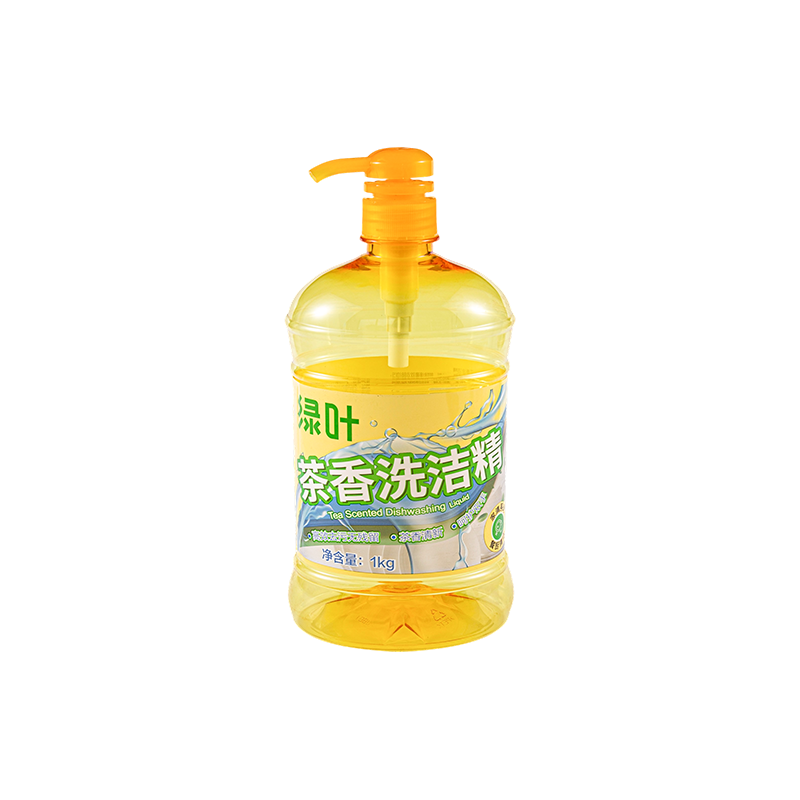
Caps and dispensing systems influence convenience and product wastage. Common options include flip-top caps, pump dispensers, and screw caps. Flip-top caps are cost-effective and provide easy access, while pump dispensers offer controlled dosing and reduce spills. The choice depends on the product’s target market and price point.
Labeling and Brand Visibility
PET’s clarity allows brands to use transparent labels or print directly on the bottle. High-quality labeling can communicate key benefits such as eco-friendliness, fragrance, and cleaning power. For premium products, brands often use vibrant colors and embossed designs to enhance shelf appeal.
Production Process: How Dishwashing Liquid PET Bottles Are Made
Most PET bottles are produced using injection stretch blow molding (ISBM), a process that creates strong, lightweight bottles with consistent quality. The process includes melting PET resin, forming a preform, stretching it, and blowing it into a mold to achieve the final bottle shape. ISBM enables precise control over wall thickness and ensures uniform strength across the bottle.
Preform Production
Preforms are produced by injection molding, where molten PET is injected into a mold to create a test-tube shaped piece with a threaded neck. The neck finish is standardized to fit common caps and closures, allowing flexibility in cap selection and supplier compatibility.
Blow Molding and Finishing
During blow molding, the preform is heated and stretched into the final bottle shape inside a mold. This stretching aligns PET molecules, improving strength and clarity. After molding, bottles undergo quality checks for leaks, dimensional accuracy, and surface defects before labeling and packaging.
Choosing the Right PET Bottle for Your Dishwashing Liquid
Selecting the appropriate PET bottle requires balancing product performance, cost, and brand positioning. Businesses should consider the product formula, target consumers, distribution channels, and sustainability goals. Below are practical guidelines for making the right choice.
- Choose bottle thickness based on the liquid’s viscosity and expected handling conditions to prevent deformation.
- Select a cap type that matches the usage scenario: flip-top for home use, pump for premium or concentrated formulas.
- Consider using rPET to meet sustainability commitments and appeal to eco-conscious consumers.
- Request compatibility testing if the dishwashing liquid contains strong solvents, fragrances, or dyes.
- Evaluate label adhesion and print quality to ensure branding remains intact in humid environments.
Environmental Considerations and Recycling Best Practices
PET is highly recyclable, but effective recycling depends on local infrastructure and consumer behavior. Businesses can improve sustainability by using recyclable materials, encouraging proper disposal, and supporting recycling programs. Using lightweight bottles also reduces material usage and transportation emissions.
Recycling Challenges
One challenge is contamination from residual detergent. Consumers should be encouraged to rinse bottles before recycling. Additionally, mixed materials such as plastic pumps or labels may complicate recycling. Choosing recyclable caps and using recyclable labels can improve the overall recyclability of the product.
Sustainability Certifications
Certifications such as “Recycled Content” or “PCR (Post-Consumer Recycled) PET” help communicate sustainability efforts. Brands can also partner with recycling organizations to promote circular economy practices and build consumer trust.
Conclusion: Maximizing Value with the Right PET Bottle Choice
Dishwashing liquid PET bottles offer a strong combination of durability, clarity, and chemical resistance, making them an ideal packaging solution for household detergents. By focusing on material quality, design, and sustainability, businesses can create a product that performs well and appeals to modern consumers. Whether you prioritize cost efficiency, premium branding, or environmental responsibility, understanding PET bottle properties and production processes helps you make informed decisions and improve product success.
