

 en
en  English
 Español


Content
- 1 Understanding Common Types of Plastic Toner Bottles
- 2 Material Selection and Plastic Quality
- 3 Bottle Design and Structural Integrity
- 4 Sealing Performance and Leak Prevention
- 5 Compatibility With Toner Filling and Dispensing Systems
- 6 Capacity Accuracy and Volume Consistency
- 7 Surface Finish and Cleanliness Standards
- 8 Safety and Regulatory Compliance
- 9 Sustainability and Environmental Considerations
- 10 Supplier Reliability and Quality Control
- 11 Balancing Cost and Long-Term Value
- 12 Making the Right Choice for Your Printing Supplies
Plastic toner bottles are a critical component in the printing supply chain. They are not merely containers; they protect toner powder from moisture, contamination, and leakage while ensuring smooth dispensing into printers or cartridges. Choosing low-quality bottles can lead to toner clumping, inconsistent print quality, machine contamination, and costly downtime. High-quality plastic toner bottles, by contrast, support stable toner flow, maintain chemical integrity, and reduce operational risks.
For manufacturers, distributors, and refill service providers, bottle quality directly impacts brand reputation and customer satisfaction. A well-designed toner bottle minimizes waste, simplifies handling, and ensures compatibility with automated filling and dispensing systems.
Understanding Common Types of Plastic Toner Bottles
Before selecting a bottle, it is important to understand the typical formats used in the industry. Plastic toner bottles vary by capacity, shape, neck design, and closure type, each tailored to different printer models and usage scenarios.
Some bottles are designed for original equipment manufacturer systems, while others serve aftermarket or refill purposes. The choice should always align with the intended toner type, filling method, and end-user application.
Material Selection and Plastic Quality
Material quality is one of the most important factors when choosing plastic toner bottles. High-density polyethylene (HDPE) and polypropylene (PP) are the most commonly used plastics due to their chemical resistance, durability, and lightweight properties.
High-quality plastic should be free from impurities that could interact with toner powder. Inferior plastics may release fine particles, deform under temperature changes, or become brittle over time, increasing the risk of cracks and leaks.
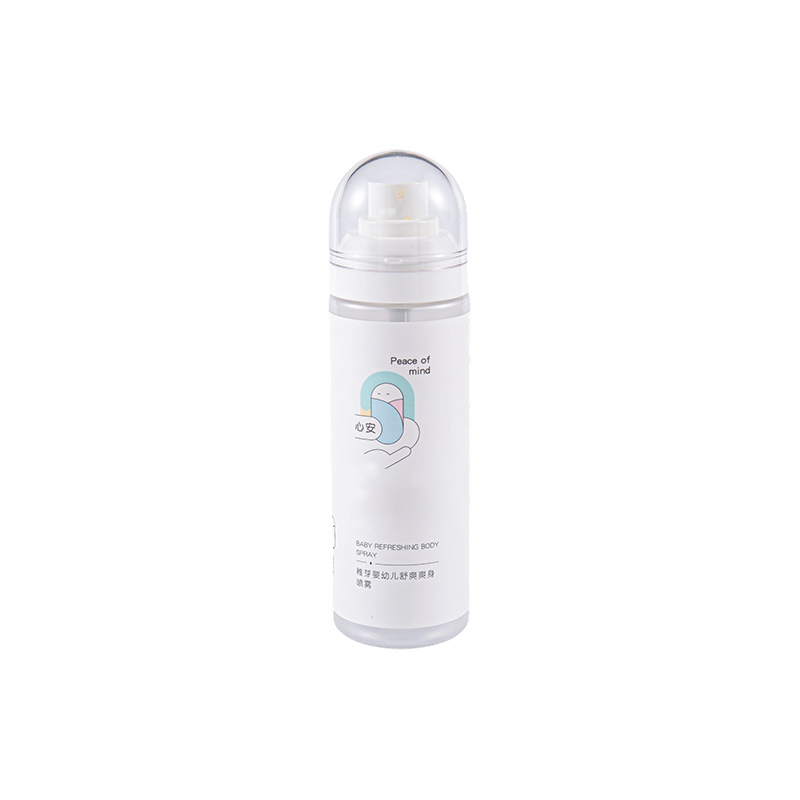
Key material characteristics to look for include:
- High chemical resistance to toner formulations
- Stable performance under temperature fluctuations
- Adequate wall thickness for impact resistance
Bottle Design and Structural Integrity
A well-designed plastic toner bottle maintains its shape throughout filling, transport, storage, and use. Structural integrity ensures that the bottle does not collapse, crack, or deform when exposed to vibration or pressure.
Design features such as reinforced corners, uniform wall thickness, and stable base geometry improve handling and stacking efficiency. These elements are particularly important for bulk packaging and long-distance shipping.
Sealing Performance and Leak Prevention
Leak prevention is a top priority when selecting plastic toner bottles. Toner powder is extremely fine and can escape through poorly designed closures, leading to contamination and product loss. A high-quality sealing system protects both the product and the user.
Effective sealing depends on precise neck dimensions, compatible caps, and optional inner seals. Tamper-evident features are also valuable, especially for commercial distribution.
Common sealing features include:
- Screw caps with tight thread tolerances
- Induction seals or foil liners
- Tamper-evident rings or breakable seals
Compatibility With Toner Filling and Dispensing Systems
High-quality plastic toner bottles must be compatible with both filling equipment and end-user dispensing systems. Poor dimensional accuracy can cause misalignment during automated filling or difficulties when attaching the bottle to printer inlets.
Precision-molded bottles ensure consistent neck finishes and internal geometry, which helps maintain smooth toner flow and reduces the risk of clogging during transfer.
Capacity Accuracy and Volume Consistency
Accurate capacity is essential for dosage control and inventory management. High-quality plastic toner bottles maintain consistent internal volume across production batches, ensuring that each bottle holds the intended amount of toner.
Inconsistent volume can lead to underfilled or overfilled products, affecting printer performance and customer trust. Reliable manufacturers use precise molds and strict quality control to minimize variation.
Surface Finish and Cleanliness Standards
The internal and external surface finish of plastic toner bottles plays a role in both performance and perception. Smooth interior surfaces reduce toner adhesion and support complete emptying. Clean exterior surfaces improve handling and labeling quality.
Bottles should be produced in clean manufacturing environments to avoid contamination. Dust, oil residues, or plastic debris inside the bottle can compromise toner purity.
Safety and Regulatory Compliance
Plastic toner bottles should meet applicable safety and regulatory standards relevant to the target market. While toner is not a food product, compliance with material safety guidelines and environmental regulations is increasingly important.
Choosing compliant bottles reduces legal risks and supports smoother international distribution. Documentation such as material data sheets and quality certifications adds credibility.
Sustainability and Environmental Considerations
Sustainability is becoming a key factor in packaging decisions. Many buyers now prefer plastic toner bottles made from recyclable or recycled materials. Durable bottles that support reuse and recycling help reduce environmental impact.
Lightweight design also contributes to sustainability by lowering transportation emissions. High-quality bottles achieve strength without excessive material use.
| Evaluation Factor | Why It Matters | Quality Indicator |
| Material | Protects toner integrity | HDPE or PP with consistent density |
| Sealing | Prevents leaks | Tight threads and inner seals |
| Dimensions | Ensures compatibility | Precision-molded neck finish |
| Sustainability | Reduces environmental impact | Recyclable or recycled plastic |
Supplier Reliability and Quality Control
Selecting a reliable supplier is as important as selecting the right bottle design. High-quality plastic toner bottles come from manufacturers with consistent production processes, strict inspection standards, and traceable quality systems.
Working with experienced suppliers reduces the risk of batch inconsistencies and supply disruptions. Clear communication about specifications, tolerances, and testing procedures ensures long-term stability.
Balancing Cost and Long-Term Value
While cost is always a consideration, focusing solely on unit price can lead to higher long-term expenses. Low-quality plastic toner bottles may cause leaks, returns, or equipment damage, outweighing initial savings.
High-quality bottles provide better performance, lower failure rates, and stronger customer confidence. Evaluating total cost of ownership helps buyers make smarter decisions that support reliable printing operations.
Making the Right Choice for Your Printing Supplies
Choosing high-quality plastic toner bottles requires careful evaluation of material, design, sealing, compatibility, and sustainability. Each factor contributes to reliable toner handling and consistent print results.
By prioritizing quality and working with trusted suppliers, businesses can protect their printing supplies, enhance operational efficiency, and deliver better value to end users in a competitive market.
