

 en
en  English
 Español


Content
Disinfectant spray bottles are essential tools for maintaining hygiene in both home and commercial environments. They allow for precise application of liquid disinfectants, ensuring surfaces are effectively sanitized. Selecting the right spray bottle can improve safety, efficiency, and ease of use, making it a critical choice for households, offices, restaurants, healthcare facilities, and industrial settings.
This article provides a detailed guide on choosing the most suitable disinfectant spray bottle, addressing factors such as material, capacity, nozzle design, chemical compatibility, durability, and ergonomics.
Material Considerations
The material of a disinfectant spray bottle significantly affects its durability, chemical resistance, and safety. The most common materials include plastic, glass, and stainless steel. Each type has unique advantages depending on the intended use.
Plastic Bottles
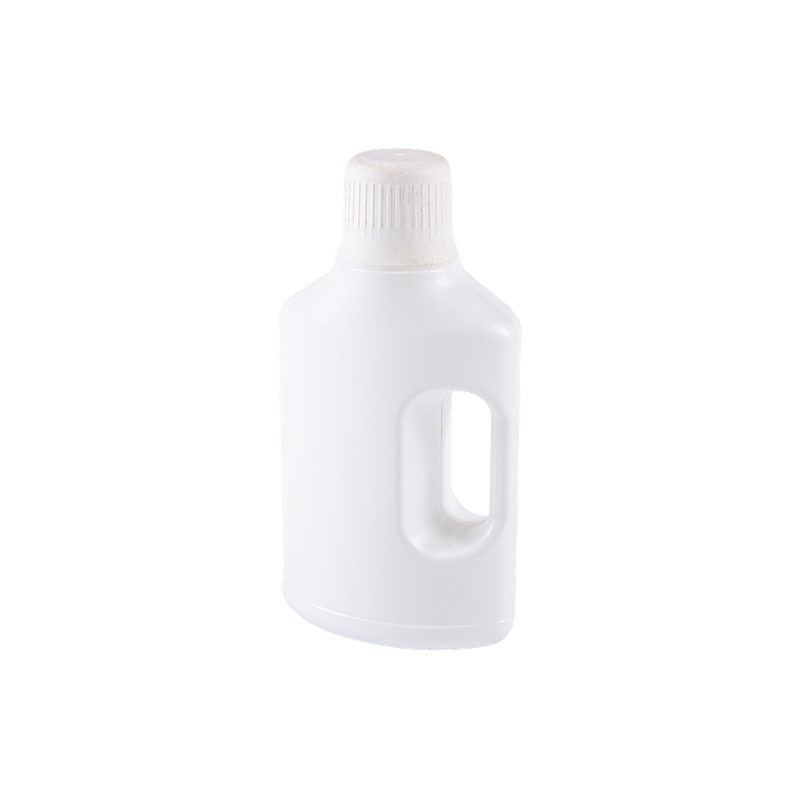
Plastic spray bottles are lightweight, cost-effective, and highly versatile. High-density polyethylene (HDPE) and polyethylene terephthalate (PET) are preferred for their excellent chemical resistance, preventing reactions with disinfectants such as bleach, alcohol, or quaternary ammonium compounds. For long-term use, choose thick-walled bottles to avoid cracking under frequent handling.
Glass Bottles
Glass spray bottles are ideal for commercial and professional use, especially for alcohol-based disinfectants. They are non-reactive, maintain chemical stability, and are environmentally friendly. However, they are heavier and more fragile than plastic, requiring careful handling and often protective sleeves.
Stainless Steel Bottles
Stainless steel bottles provide superior durability and corrosion resistance. They are suitable for industrial and high-traffic commercial settings. Many stainless steel bottles include powder-coated finishes to prevent scratches and extend longevity. Their sturdiness makes them ideal for repeated use in demanding environments.
Capacity and Size Selection
The size and capacity of a disinfectant spray bottle should align with usage frequency, environment, and portability requirements. Home users typically benefit from smaller bottles ranging from 250ml to 500ml, which are easy to handle and store. Commercial facilities often require larger bottles from 1 liter to 2 liters or refillable containers to minimize downtime during cleaning operations.
Additionally, consider bottle design for portability and ease of refill. Transparent or semi-transparent bottles allow users to monitor liquid levels, preventing unexpected shortages during cleaning tasks.
Nozzle and Spray Mechanism
The nozzle and spray mechanism determine the efficiency, coverage, and comfort of disinfectant application. Different mechanisms suit various cleaning tasks, from fine misting for electronics and delicate surfaces to coarse spray for large area sanitation.
Adjustable Nozzles
Adjustable nozzles allow users to switch between mist, stream, or spray patterns. This versatility is essential for home users who clean diverse surfaces, as well as for commercial facilities that require targeted or broad coverage.
Pump and Trigger Design
Ergonomic trigger handles and reliable pump mechanisms reduce hand fatigue and improve spraying efficiency. Look for smooth, high-quality triggers that deliver consistent spray without leakage. Lockable triggers are useful for safe storage and transport.
Chemical Compatibility
Disinfectant spray bottles must resist chemical corrosion to maintain structural integrity and avoid contamination. Verify that the bottle material is compatible with the disinfectants you plan to use, such as chlorine-based solutions, alcohol, hydrogen peroxide, or quaternary ammonium compounds. Incompatible materials can degrade, crack, or leach chemicals, reducing effectiveness and safety.
Durability and Safety Features
Durable bottles withstand frequent handling, drops, and daily wear in busy environments. Features to consider include thick walls, reinforced necks, leak-proof seals, and anti-slip grips. For commercial use, bottles with protective sleeves or caps reduce breakage risk. Safety labels, measurement markers, and secure closures also contribute to safe handling, particularly in settings with children or sensitive equipment.
Ease of Cleaning and Maintenance
Regular cleaning of spray bottles prevents clogging and microbial growth. Bottles with wide mouths or removable nozzles facilitate thorough cleaning. Materials resistant to staining and odor retention enhance hygiene. For commercial settings, standardized bottles compatible with refilling stations improve operational efficiency.
Comparison Table: Key Selection Factors
| Feature | Recommendation | Reason |
| Material | HDPE, PET, Glass, Stainless Steel | Chemical resistance & durability |
| Capacity | 250ml–2L | Matches usage frequency & portability needs |
| Nozzle | Adjustable mist/stream, ergonomic trigger | Efficient coverage & comfort |
| Maintenance | Wide mouth, removable nozzle | Prevents clogging & ensures hygiene |
Conclusion
Choosing the right disinfectant spray bottle requires careful consideration of material, capacity, nozzle design, chemical compatibility, durability, and maintenance features. Proper selection enhances cleaning efficiency, ensures user safety, and maximizes the lifespan of the bottle. For both home and commercial use, investing in high-quality bottles improves overall hygiene management and operational effectiveness.
