

 en
en  English
 Español


Content
Sunscreen PE bottles are specialized packaging solutions designed to protect and dispense sunscreen products safely. Made from polyethylene (PE), these bottles are lightweight, durable, and resistant to chemical reactions with sunscreen formulations. Choosing the right PE bottle is crucial to ensure product stability, user convenience, and aesthetic appeal. The packaging must protect sensitive ingredients from light, air, and heat, while also being user-friendly for application.
With increasing demand for high-quality skincare products, sunscreen brands must consider factors such as material type, UV protection, design features, and sustainability when selecting PE bottles. This article explores key considerations to help manufacturers and brands choose the best PE bottles for sunscreen packaging.
Understanding PE Bottle Material Properties
Polyethylene (PE) comes in several grades, primarily high-density polyethylene (HDPE) and low-density polyethylene (LDPE). Each grade has specific characteristics that affect durability, flexibility, chemical resistance, and transparency.
High-Density Polyethylene (HDPE)
- Offers superior rigidity and structural integrity, ideal for bottles that need to maintain shape under pressure.
- Provides excellent resistance to UV degradation, helping preserve sunscreen effectiveness.
- Suitable for opaque or colored bottles, which further protect sensitive sunscreen ingredients from light.
Low-Density Polyethylene (LDPE)
- Offers flexibility and squeezability, ideal for soft squeeze bottles for easy dispensing.
- Less rigid than HDPE, making it suitable for travel-size or portable sunscreen containers.
- May require additional coatings or UV-blocking additives to ensure long-term sunscreen stability.
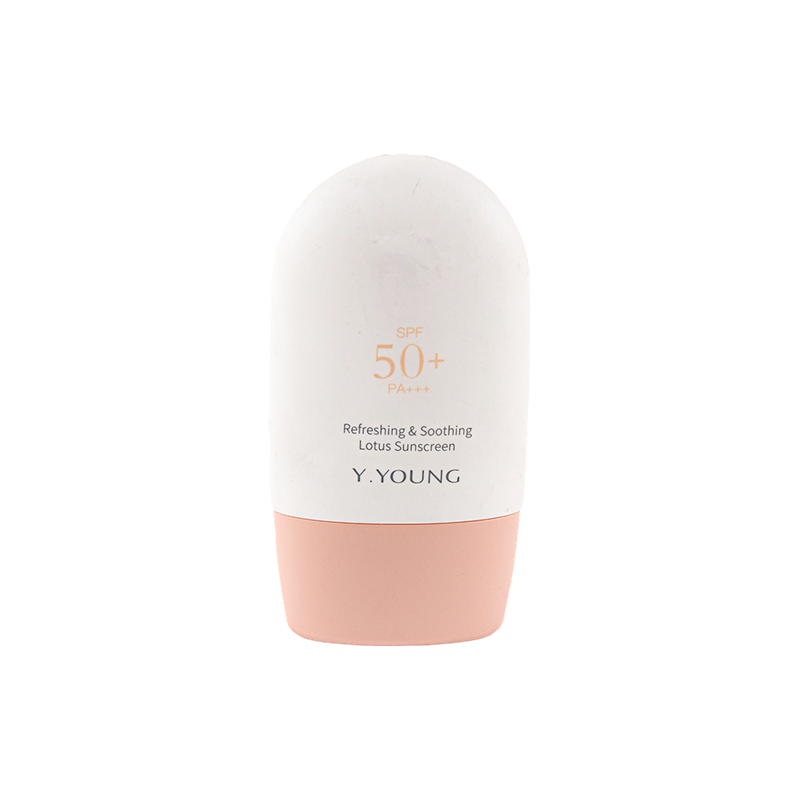
Key Design Considerations for Sunscreen Bottles
The design of a PE bottle impacts usability, safety, and brand perception. Key elements include bottle shape, closure type, and dispensing mechanism.
Bottle Shape and Ergonomics
- Ergonomic designs improve user experience, especially for products applied during outdoor activities.
- Slim and portable bottles are preferred for travel and sports applications.
- Custom shapes can enhance brand identity and shelf appeal while remaining functional.
Closure and Dispensing Options
- Flip-top caps, pump dispensers, and screw-on lids are common choices depending on the viscosity of the sunscreen.
- Pump dispensers allow controlled product output and reduce contamination risk.
- Leak-proof closures are critical for travel-friendly packaging.
UV Protection and Barrier Properties
Sunscreen formulations are sensitive to UV exposure, which can degrade active ingredients. Selecting PE bottles with built-in UV-blocking capabilities or using opaque and tinted bottles ensures product efficacy and longevity.
Material Additives
- UV stabilizers and colorants can enhance protection against sunlight.
- Consider bottles with multi-layer constructions for additional barrier performance.
Sustainability and Environmental Considerations
Eco-conscious consumers increasingly demand sustainable packaging. Choosing recyclable PE bottles or bottles made from post-consumer recycled (PCR) materials supports environmental responsibility and brand reputation.
Recyclability and End-of-Life
- HDPE and LDPE bottles are widely accepted in recycling programs when properly cleaned.
- Avoid multi-material components that complicate recycling, such as mixed plastic labels or caps unless they are easily separable.
- Highlighting sustainable materials on packaging can improve consumer trust and marketing appeal.
Cost and Manufacturing Considerations
Balancing quality, functionality, and cost is key for selecting sunscreen PE bottles. Consider factors such as production efficiency, material availability, and compatibility with filling machines. Bottles should maintain consistent wall thickness, structural integrity, and fit seamlessly with automated production lines.
Conclusion
Selecting the best PE bottle for sunscreen packaging requires careful evaluation of material properties, design features, UV protection, sustainability, and manufacturing compatibility. HDPE provides durability and protection, while LDPE offers flexibility for squeeze bottles. Combined with ergonomic designs, suitable closures, and eco-friendly practices, the right PE bottle enhances product performance, user experience, and brand reputation. By understanding these considerations, brands can deliver effective, reliable, and attractive sunscreen packaging to consumers.
