

 en
en  English
 Español


Content
Shampoo and conditioner bottles face one of the toughest jobs in personal care packaging. They carry viscous, surfactant-heavy formulas, sit in a wet shower environment, and need to dispense smoothly on every use. A bottle that cracks in transit, a pump that sticks after two months, or a label that curls in a steamy bathroom all create the same result: the consumer blames the product, even when the formula is flawless. The practical conclusion is that hair care packaging success depends on three decisions made early: material selection, dispensing design, and supplier quality control. Brands that lock in these choices before moving to production reduce downstream damage, returns, and on-shelf disappointment.
Material Choices for Shampoo and Conditioner Bottles
PE, PET, and PP cover almost every shampoo and conditioner bottle on the market. Polyethylene is the dominant workhorse because it combines impact resistance with the easy squeeze consumers expect from a 500 ml shampoo bottle. PET wins when a brand wants high clarity and a premium shelf presence. Polypropylene appears in smaller formats, caps, brushes, and specialized treatment bottles.
| Property | HDPE (PE) | PET | PP |
|---|---|---|---|
| Density (g/cm³) | 0.94–0.96 | ≈1.38 | ≈0.90 |
| Clarity | Opaque or translucent | High clarity | Easy to run in frosted or transparent |
| Impact resistance | Excellent | Good with drop-resistant grades | Good |
| Chemical resistance | Very good | Moderate | Good |
| Typical hair care use | 500 ml squeeze bottles | Premium pump and push bottles | Small formats, caps, widemouth jars |
High-density polyethylene is the safest starting point for most mass-market shampoos. It resists stress cracking better than stiffer resins, which matters for a bottle stored in a humid shower for months. PE also pigments well, so brand colors stay consistent across batches. HDPE bottles in the 200–500 ml range are common for standard shampoo lines, and they pair well with either a pump or flip-top cap. The material has enough flexural strength to deliver a squeezed dose, while the wall thickness can be tuned to avoid excessive softness.
PET gives a glass-like appearance that lets the formula color show through, but it is less forgiving with natural oils and terpenes. A PET bottle should always be tested with the exact formula before commercialization, especially for low-viscosity shampoos that may interact with the resin. PET also has a higher density, which translates to a slightly heavier pack and more shipping weight for e-commerce sales. For a premium hair care line, the visual benefit often outweighs the added weight.
PP offers stronger rigidity and chemical resistance, which makes it useful for small leave-in conditioners, serum concentrates, or anti-hair loss tonics with a high active ingredient load. It also has a lower density than PET and runs well in thin walls. PP is the standard choice for pumps and caps, so specifying a PP round bottle means matching the same resin family across the closure and the bottle, which simplifies recycling.
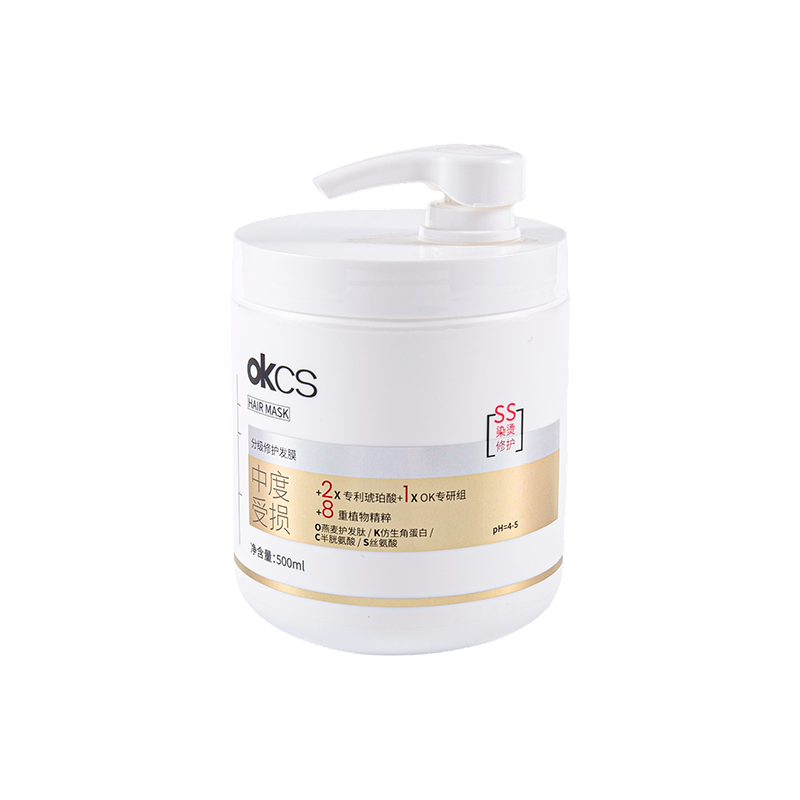 500ml PE hair care bottleProduct Specifications:500ml bottleView Product →
Whichever resin wins the product development phase, the next decision is the neck finish and dispensing mechanism.
Neck Finish, Dispensing, and Bottle Geometry
The neck finish determines whether the bottle can accept a standard pump, a flip-top cap, or a screw cap. In hair care, the most common standards are 24/410 for lighter products and 28/410 for thicker conditioners. Using a non-standard neck size forces custom tooling and complicates supply. A 24/410 neck is typical for leave-in serums and lightweight conditioners, while a 28/410 neck is more reliable for thick hair masks and volumizing creams. The closure industry is built around these two sizes, so a brand deviates at the cost of lead time and component sourcing.
A pump is essential for leave-in products and premium volumizing lines. For thick hair masks, a wider neck or a large-doser pump is required. Squeeze bottles with flip-top caps work best for everyday shampoo and conditioner. Brands must decide the dose amount early because it affects bottle adaptation and filling speed. A standard 30–40 ml dose per pump is normal for shampoo; a 15–20 ml dose is common for leave-in serums.
Bottle geometry also carries functional weight. A round bottle is easy to orient on a filling line and takes conventional labels. A square or oval bottle improves shelf presence but needs careful handling to avoid corner damage during transit. For example, a 400 ml PET push bottle gives a clean transparent look for a salon-grade shampoo while still meeting common neck standards. The pump push design is often preferred in Asia for ease of use, and it also creates a distinctive visual cue on the shelf.
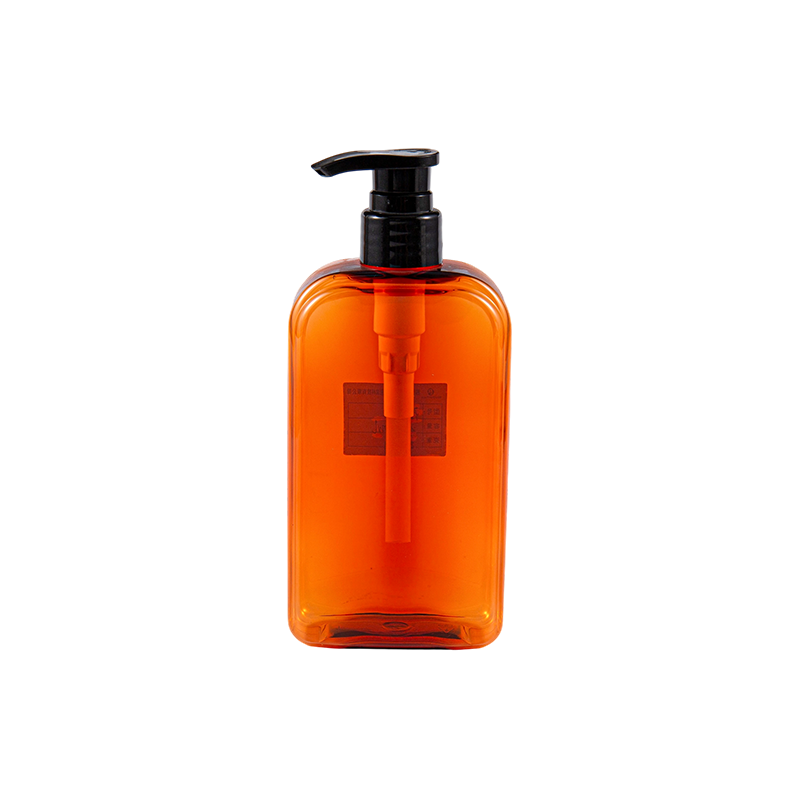 400ml transparent and beautiful PET push bottleProduct Specifications:400ml bottleView Product →
Quality Control and the Cleanroom Requirement
Shampoo and conditioner are not all treated the same in regulatory terms. Products that come into contact with the eye area, target sensitive scalps, or use natural claims require a higher hygiene standard in the factory itself. A 100,000 class cleanroom is the baseline for high-end cosmetic packaging. Suzhou Brotherpacking operates a Class 100,000 cleanroom, which supports the production of hair care bottles that can hold sensitive formulas without contamination risk.
The quality system runs from raw resin inspection to finished bottle testing. A supplier audit for hair care packaging should cover at least the following checkpoints:
- Wall thickness consistency across a production run
- Drop test results at 1.5 m with water or the actual formula
- Stress crack resistance after weeks of high-humidity aging
- Color matching under a standard light booth
- Pump torque and leak verification
These checks are not optional for a brand that plans to place repeated orders. The supplier should be able to share inspection data with each batch, and the technical staff should be able to explain the root cause when a test fails.
Sustainability Direction in Hair Care Packaging
Consumers are paying closer attention to plastic waste, but sustainability in hair care packaging has to survive practical constraints: formula compatibility, refill anatomy, and cost. The most realistic path today is a refill system with a durable primary bottle, paired with a lighter refill pouch. Some brands are also adding PCR content to the primary bottle, with 30 percent post-consumer recycled resin often the first achievable target.
The personal care industry is moving toward renewable and biodegradable materials, and this is just as relevant to hair care bottle suppliers. A practical first step is to ask the packaging partner how much post-consumer recycled content they can run without losing drop-tested performance. Personal care bottles are shifting toward renewable and biodegradable materials, and that shift is already changing the questions buyers ask in sourcing reviews.
Single-material packaging is another direction worth chasing. If the bottle, pump, and cap are all made from PP, the whole pack can be processed at the recycling facility without requiring disassembly. PET bottles with a PP pump are common, but they complicate recycling unless the pump is designed to be removed easily.
Customization, Lead Time, and Supplier Audit
Once the material, neck, and design are fixed, the decision becomes operational. A packaging partner that can design, tool, mold, decorate, and ship from one location removes handoffs and shortens the critical path. Suzhou Brotherpacking brings more than 30 years of experience, a 20,000 m² production base, and about 150 employees to the table, with technical and quality personnel making up roughly 40 percent of the team. The company runs injection molding and blow molding in-house, along with multi-color printing, labeling, and spray coating.
Customization is often the deciding factor for niche hair care brands. Personalized plastic bottle options are useful when a brand needs a distinctive silhouette, an unusual pump design, or a surface effect like frosted or soft-touch finish. With 5,000 functional molds developed over the years, the supplier can often adapt an existing tool rather than starting from scratch, which saves both development cost and time.
 Personalized plastic bottlesIn the competitive packaging landscape of the skincare and beauty industries, a container that combines quality and distinctiveness is often the key to a brand's succe...View Product →
From a buyer's perspective, the real test of a supplier is how it behaves when the first pilot run reveals a problem. A strong partner will propose a clear corrective action plan, quote realistic lead times, and share inspection data without being asked twice. Ask for a formal process capability report and arrange a factory audit before placing the volume order.
Start with the formula's viscosity and pH, confirm the neck finish and dispensing mechanism, then audit the supplier's cleanroom and quality system. That sequence will determine how the bottle looks on the shelf and how it feels in the shower.
