

 en
en  English
 Español


Content
- 1 What Does Cleanroom Production Actually Mean for Plastic Packaging?
- 2 Cleanroom Classifications: What Buyers Should Compare
- 3 How to Evaluate a Cleanroom Plastic Packaging Supplier
- 4 Packaging Applications That Benefit from Cleanroom Production
- 5 What to Expect When Sourcing from a Cleanroom-Based Supplier
A brand owner filling a 50ml serum bottle faces a hidden risk: the container itself can carry particles, microbes, or film residue into the formula if it was not molded and handled under controlled air. This is why plastic packaging produced in the cleanroom has moved from a technical detail to a sourcing requirement for cosmetics, food supplements, and pharmaceutical containers. Cleanroom production does not simply mean washing or wiping the bottle after molding. It means the entire process, from resin feeding to injection/blow molding, printing, and final packing, takes place inside a filtered, monitored environment that limits airborne particles and microbial load. In practical terms, a Class 100,000 (ISO 8) cleanroom gives brands a defensible baseline for products that contact skin, mucous membranes, or food. If your supplier cannot document this baseline, you are accepting an uncontrolled variable.
What Does Cleanroom Production Actually Mean for Plastic Packaging?
Cleanroom production is a closed-loop strategy. Every step of the bottle-making line is designed to prevent contamination, not to correct it later. A cleanroom uses HEPA filters to remove at least 99.97% of particles at 0.3 micrometers, and positive air pressure pushes outside air away from critical zones. Molding machines, tooling, and conveyor paths are arranged so that freshly molded plastic does not pass through dusty corridors before it is inspected and packed.
Operators also become a significant source of contamination. Proper gowning, hand washing stations, and restricted access keep skin flakes and lint out of the production area. In a well-designed cleanroom, even the resin hopper is vented to avoid dust on the plastic pellets, because pellet dust can become defects in the finished bottle.
Material choice adds another layer. For cosmetics and food contact, PP, PE, and PET resins are selected for low additives and consistent melt flow. Printing inks, labels, and adhesives must be compatible with the cleanroom environment, since solvent vapor can leave residues on the inner wall. This is why a responsible supplier treats cleanroom production as a system, not a single room.
- Air handling with HEPA filtration and positive pressure.
- Personnel protocols for gowning and hygiene.
- Material and resin feed isolation.
- In-mold and post-mold particle inspection.
- Batch documentation and cleanroom monitoring data.
Cleanroom Classifications: What Buyers Should Compare
The cleanness level you need depends on what goes into the bottle. For most cosmetic and food packaging suppliers, an ISO 8 cleanroom is the sweet spot, but you still need to understand the numbers before you compare quotes.
| ISO Class | Particles (0.5 micron) per cubic meter | Typical Applications |
|---|---|---|
| ISO 5 | 3,520 | Sterile drug filling |
| ISO 7 | 352,000 | Medical device assembly |
| ISO 8 | 3,520,000 | Cosmetic/food contact packaging |
When a supplier says "class 100,000", they are referring to a maximum of 3,520,000 particles 0.5 micron and larger per cubic meter. That number may sound high, but it is appropriate for non-sterile products. The point is not sterility; it is cleanliness. A cosmetic cream or dietary supplement does not need sterile packaging, but it does need a container free from dust, lint, and excessive microbial loads. So an ISO 8 cleanroom is enough. However, if you are producing preservative-free formulations or sterile topical products, you may need a higher class, such as ISO 7 or ISO 5, and the supplier must have a controlled transfer path into your filling line.
How to Evaluate a Cleanroom Plastic Packaging Supplier
Evaluating a supplier based only on a website photo is risky. You need proof, not promises.
- Request the current cleanroom classification report, including the test method and particle count data.
- Ask whether the cleanroom covers the injection/blow molding area or only the final packing station.
- Inspect the raw material feeding path. Resin bags and hoppers should be handled inside the same controlled zone.
- Confirm that printing, labeling, and decorating steps happen under the same air handling regime.
- Require monitoring records for temperature, humidity, pressure differential, and particle counts. These should be dated and traceable to a person.
One supplier that has put this into practice is Suzhou Brotherpacking, which built its Class 100,000 cleanroom to support cosmetic and food-contact packaging. The cleanroom is used in combination with ISO-style quality control from incoming resin to finished goods, which is what makes cleanroom production more than a marketing term. For health-oriented products like medical capsule bottles, this level of control matters even more.
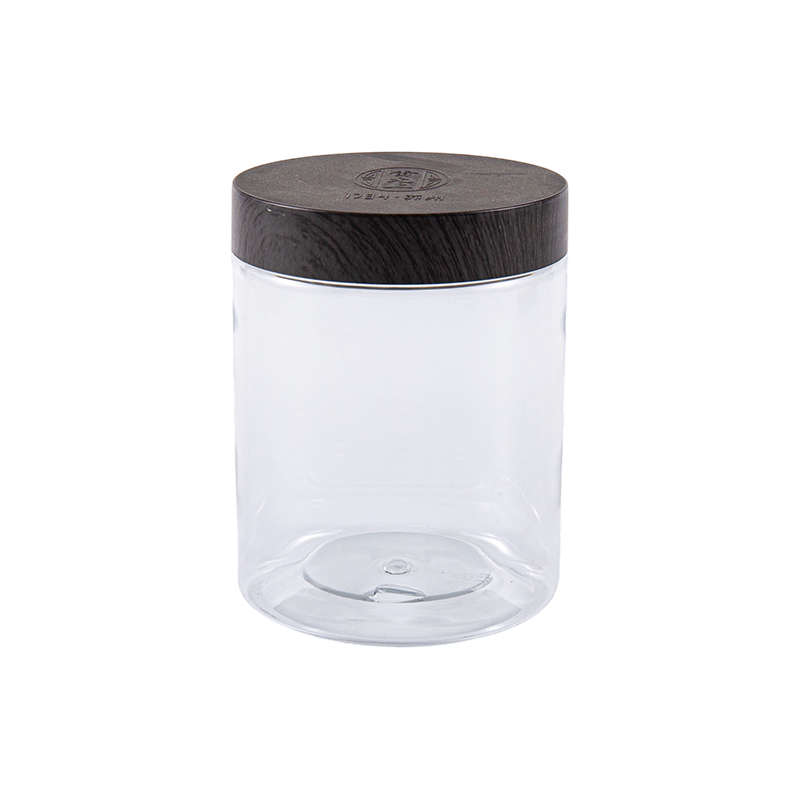 Corrosion-Resistant Transparent PET Bottle for Health ProductsThis 480ml PET bottle offers chemical resistance and clear visibility for inline inspection, suitable for pharmaceutical and supplement packaging where purity and non-reactivity are essential.View Product →
Pharmaceutical and dietary supplement bottles often hold tablets, capsules, or powders that remain in the container for months. Residue or particles on the inner wall cannot be washed out after filling. PET bottles with a clear, transparent wall allow inline inspection, and a corrosion-resistant material prevents interaction with active ingredients.
Packaging Applications That Benefit from Cleanroom Production
Not every plastic bottle needs a cleanroom, but certain product categories benefit most.
Sunscreen and Sensitive Skincare Bottles
Sunscreen formulations contain active UV filters that can degrade under microbial attack. A cleanroom-produced PE bottle minimizes the chance of contamination during filling and helps the brand meet stability-test requirements. Small 50g sizes are common for travel-friendly sunscreen products, and a simple PE bottle with a tight closure system maintains the hygiene level of the product.
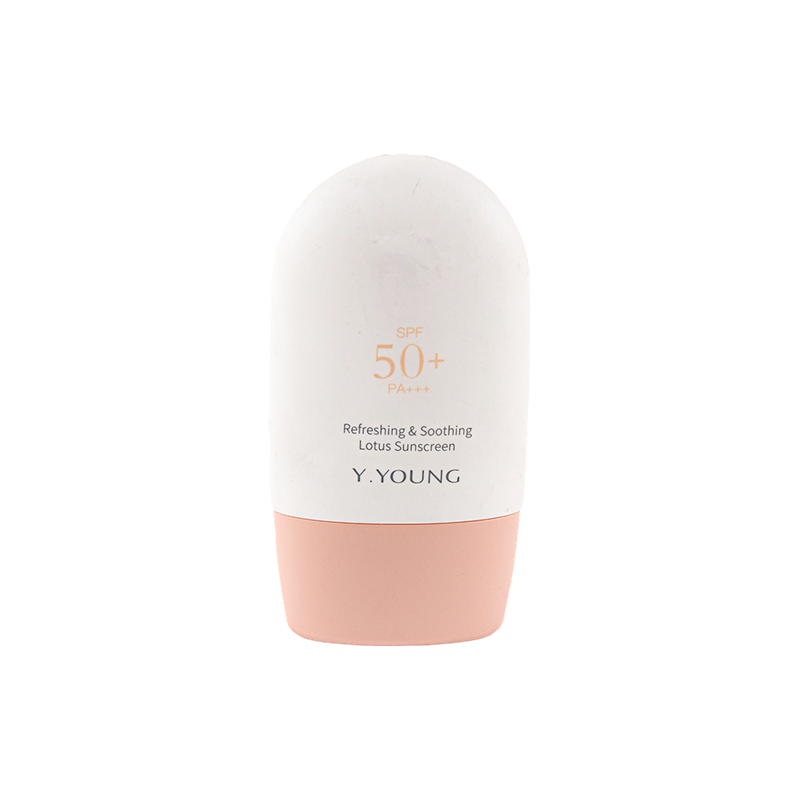 50g Sunscreen PE Bottle with Tight Seal for TravelA compact 50ml PE bottle with a secure closure prevents air and moisture ingress, ideal for protecting UV filters in sunscreen formulations while being lightweight and portable.View Product →
Cream Jars and Wide-Mouth Containers
Cream jars present a different risk because the wide opening allows more air contact during opening and closing. A PP jar is often preferred for its chemical resistance and comfortable weight, while the production environment keeps the inner surface free from dust. For 50ml to 110ml face creams and moisturizers, a wide-mouth PP jar offers a clean filling interface for high-speed lines.
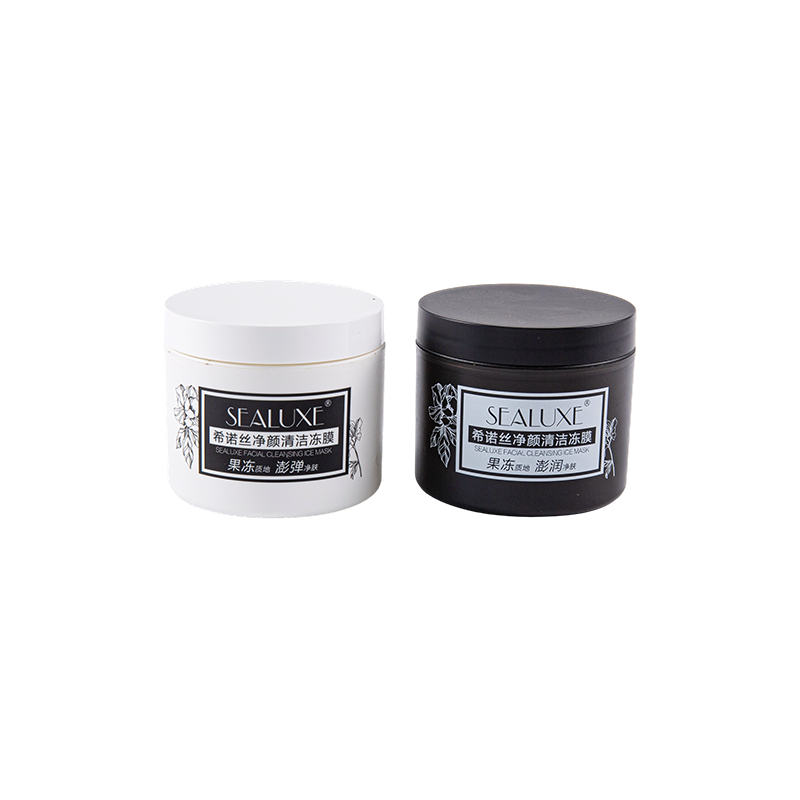 110ml Wide-Mouth PP Jar for Creams and MoisturizersThe wide opening allows easy access to thick creams, while the PP material resists chemicals and the cleanroom production ensures a dust-free inner surface for high-speed filling lines.View Product →
Both formats benefit from the same cleanroom control, because the container is the last thing that touches the product before sealing.
What to Expect When Sourcing from a Cleanroom-Based Supplier
When you source from a cleanroom-based supplier, the operational differences show up in routine details. You should receive batch records that include cleanroom monitoring data, personnel log-ins, and resin lot numbers. This traceability helps your quality team respond to audits quickly and reduces the risk of holding an entire batch because no one can prove where the containers were produced.
A cleanroom supplier should also be able to show you their corrective action process. If a particle count spike occurs, what happens to the production batch? How long is the cleanroom re-qualified? These answers reveal whether cleanroom production is a habit or just a label.
In real purchasing terms, the higher cleanroom cost is offset by lower rejection rates at your filling line, fewer contaminated formula withdrawals, and faster regulatory documentation. For brands that need repeatable, auditable packaging quality, a supplier with a verifiable Class 100,000 cleanroom is not a luxury; it is a practical risk control.
Start your next packaging inquiry by asking for the cleanroom classification report first. Then compare the answers with the product requirements for your specific formula and filling environment.
