

 en
en  English
 Español


Content
- 1 Why Packaging Bottle Choice Matters More Than Most Brands Realize
- 2 Common Plastic Materials Used in Detergent Packaging Bottles
- 3 Bottle Shapes and Geometry: Balancing Function, Ergonomics, and Shelf Impact
- 4 Closure Systems and Dispensing Mechanisms
- 5 Labeling Requirements for Household Cleaning Detergent Bottles
- 6 Sustainability in Detergent Packaging Bottle Design
- 7 Key Specifications to Define When Sourcing Detergent Packaging Bottles
Why Packaging Bottle Choice Matters More Than Most Brands Realize
The packaging bottle for a household cleaning detergent is not simply a container — it is a functional component of the product itself. It must safely hold a chemically aggressive liquid, deliver it to the consumer in a controlled and convenient manner, survive the physical conditions of retail distribution and under-sink storage, and communicate the brand's identity and product safety information clearly. A bottle that fails on any of these dimensions creates problems that range from shelf leakage and retail rejection to consumer injury and regulatory non-compliance. Yet packaging decisions in the household cleaning category are still frequently driven by unit cost alone, without adequate consideration of the technical and commercial consequences of under-specification.
The household cleaning detergent market encompasses an exceptionally diverse range of formulations — alkaline floor cleaners, acidic toilet bowl cleaners, bleach-based disinfectants, solvent-containing degreasers, enzyme-based laundry liquids, and concentrated multi-surface sprays — each with distinct chemical compatibility requirements for the packaging material in contact with the product. Selecting a packaging bottle requires matching the bottle's material, geometry, wall thickness, closure system, and label construction to both the chemical nature of the formulation and the conditions of its intended use environment.
Common Plastic Materials Used in Detergent Packaging Bottles
The choice of plastic resin for a detergent packaging bottle is the most fundamental technical specification in the packaging development process. Each resin has a distinct chemical resistance profile, mechanical property set, and processing characteristics that make it suitable for some detergent formulations and entirely inappropriate for others.
HDPE (High-Density Polyethylene)
HDPE is the dominant material for household cleaning detergent bottles globally, and for good reason. It offers outstanding resistance to a wide range of cleaning chemical formulations including bleach solutions, alkaline cleaners, surfactant-based products, and dilute acid formulations. HDPE is rigid at standard wall thicknesses, impact-resistant, lightweight, cost-effective, and well-suited to both extrusion blow molding and injection-stretch blow molding processes. It accepts high-quality label adhesion, can be produced in opaque white or custom colors, and is one of the most widely recycled plastics in household collection streams — an important attribute as brands face increasing regulatory and consumer pressure to improve packaging sustainability. HDPE is the correct default material for the majority of household liquid detergent, fabric softener, floor cleaner, and multi-purpose cleaner packaging applications.
PET (Polyethylene Terephthalate)
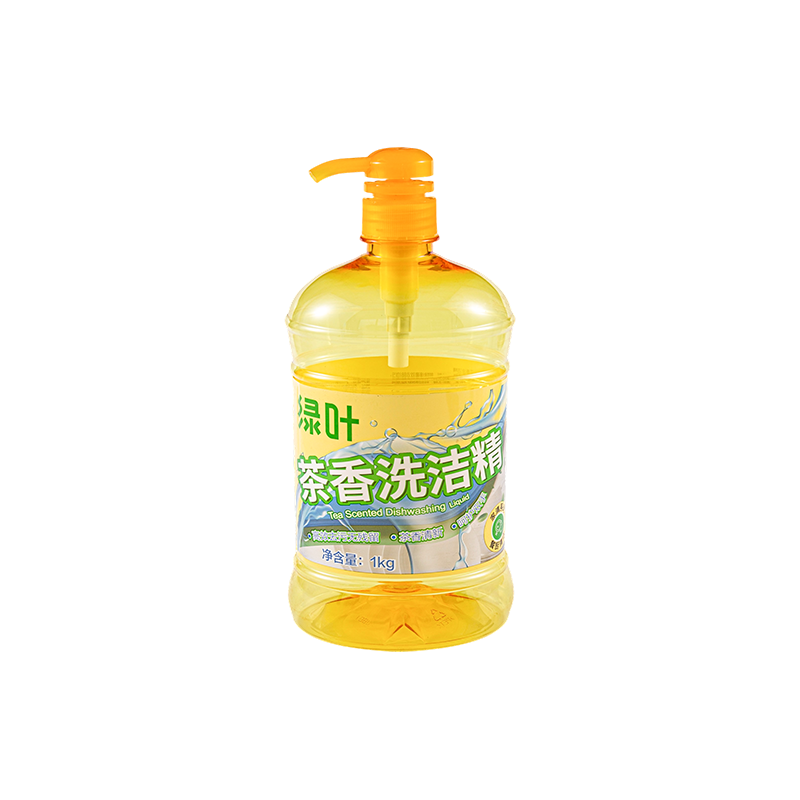
PET offers superior optical clarity compared to HDPE, producing bottles with a glass-like transparency that allows the product color and visual quality to be seen by the consumer — a significant advantage for premium cleaning product lines where product appearance is a brand differentiator. PET also provides excellent mechanical strength and top-load performance at lower wall thicknesses than HDPE, enabling lightweight bottle designs. However, PET has more limited chemical resistance than HDPE with respect to strongly alkaline formulations and certain organic solvents, making compatibility verification essential before specifying PET for any chemically aggressive cleaning product. PET is widely used for dishwashing liquid, fabric conditioner, and diluted surface cleaner packaging where clarity and perceived quality are priorities.
PP (Polypropylene)
Polypropylene is used for detergent packaging where elevated temperature resistance is required — for example, concentrated products that may be stored in warm environments such as utility rooms or outdoor sheds, or products that are filled warm during manufacturing. PP has good resistance to a broad range of chemicals, excellent fatigue resistance under repeated flexing (making it well-suited to trigger sprayer shrouds and dispensing components), and can be produced with a relatively clear appearance in thin sections. PP is also the standard material for the caps, trigger assemblies, and pump components used with HDPE and PET detergent bottles, ensuring chemical compatibility throughout the complete packaging system.
LDPE and LLDPE
Low-density and linear low-density polyethylene are used for squeezable bottle applications — concentrated washing-up liquid, fabric softener, and viscous cleaning gel products — where the consumer applies the product by squeezing the flexible bottle body to dispense a measured amount. These materials offer the required flexibility and recovery after repeated squeezing, along with adequate chemical resistance for most surfactant-based formulations. Wall thickness control in LDPE squeeze bottles must be carefully managed to ensure consistent squeeze force and dispense volume without bottle deformation under shelf stacking loads.
Bottle Shapes and Geometry: Balancing Function, Ergonomics, and Shelf Impact
The geometry of a detergent packaging bottle influences its ergonomic performance in use, its stability on retail shelves and in consumer storage, its compatibility with filling equipment, and the efficiency with which it can be palletized and transported. These considerations must be balanced against the brand's aesthetic objectives and the visual differentiation the bottle geometry creates at point of sale.
- Handled bottles: Integral handles — formed as part of the bottle body during blow molding — are standard for heavy-format liquid detergent and fabric conditioner bottles in sizes from 1 liter upward. The handle design must be ergonomically evaluated for grip comfort under the filled weight, and the handle geometry must be compatible with the blow molding process without creating wall thinning or stress concentrations at the handle attachment points.
- Trigger spray bottles: Flat-panel or round-section bottles in 500ml to 1000ml sizes are standard for multi-surface sprays, kitchen cleaners, bathroom cleaners, and glass cleaners. The bottle must be dimensionally matched to the trigger sprayer dip tube length and the riser tube geometry to ensure complete product evacuation and reliable spray performance throughout the bottle's use life. Panel geometry must resist paneling (inward deformation) under the vacuum created as product is withdrawn.
- Dosing cap bottles: Laundry liquid, fabric softener, and concentrated cleaner bottles often incorporate a dosing cap — an integral or separately supplied measuring cup that fits over the bottle neck — to help consumers dispense the correct quantity. Bottle neck diameter and the cap fitment geometry must be coordinated between the bottle and dosing cap supplier to ensure accurate volume measurement and drip-free return to the bottle after dosing.
- Refill pouches and concentrate formats: The growth of concentrated cleaning products and refill pouch systems has introduced new packaging geometry requirements — small concentrate bottles of 100ml to 250ml and stand-up refill pouches that must have a robust nozzle fitment compatible with the consumer's reusable spray bottle. These formats require precise neck finish specifications to ensure leak-free pouring and compatibility with refill bottle neck threads across the range of consumer-owned bottles in use.
Closure Systems and Dispensing Mechanisms
The closure or dispensing system fitted to a household cleaning detergent bottle must provide a secure, leak-proof seal during storage and transit, an appropriate child resistance level where required by regulations, convenient and controlled dispensing during use, and reliable re-sealing after each opening. The closure system is also a significant contributor to the consumer's perception of product quality and brand premium.
| Closure Type | Best Application | Key Consideration |
| Flip-top snap cap | Washing-up liquid, floor cleaner | Orifice size controls pour rate |
| Trigger sprayer | Surface cleaners, disinfectants | Chemical compatibility of sprayer components |
| Dosing cap (screw-on) | Laundry liquid, fabric softener | Cap volume accuracy and drip control |
| Child-resistant closure (CRC) | Bleach, toilet cleaner, acids | Regulatory compliance (ISO 8317 or equivalent) |
| Push-pull sports cap | Concentrated cleaners, gels | One-handed operation convenience |
| Pump dispenser | Hand soap, kitchen cleaner gel | Dose per stroke consistency |
Child-resistant closures (CRCs) are a regulatory requirement — not a design option — for household cleaning products containing substances classified as hazardous to children under applicable regulations. In the EU, the CLP Regulation and the Detergents Regulation specify which formulation categories require child-resistant packaging, and CRC performance must be validated to ISO 8317 or equivalent standards before the product is placed on the market. The closure's chemical compatibility with the formulation must also be verified — PP closures are generally suitable for most cleaning formulations, but metal spring components within pump and trigger mechanisms may be attacked by bleach-based or acid formulations and must be specified in corrosion-resistant materials such as stainless steel or replaced with plastic-spring alternatives.
Labeling Requirements for Household Cleaning Detergent Bottles
Household cleaning detergent bottles are among the most heavily regulated packaged consumer products from a labeling perspective. Multiple regulatory frameworks govern what information must appear on the label, in what format, in what languages, and at what minimum text size. Non-compliant labeling can result in product recall, regulatory fines, and retail delisting — consequences that make thorough pre-launch label compliance verification a non-negotiable step in the packaging development process.
- GHS/CLP hazard communication: Cleaning products containing hazardous substances must bear the appropriate GHS pictograms, signal words (Danger or Warning), hazard statements, and precautionary statements on the label in accordance with the Globally Harmonized System of Classification and Labelling of Chemicals (GHS) and its regional implementations such as the EU CLP Regulation. The size and placement of pictograms are specified and must not be obscured by label seams, dispensing components, or shelf-facing orientations.
- EU Detergents Regulation ingredient disclosure: Detergent products sold in the EU must disclose fragrance allergens above defined concentration thresholds and provide ingredient lists categorized by functional group. The 2023 revision of the EU Detergents Regulation introduced QR code-linked full ingredient disclosure requirements, which must be incorporated into label design for products targeting EU markets.
- First aid and emergency contact information: Products classified as hazardous must include first aid instructions for exposure scenarios (skin contact, eye contact, ingestion, inhalation) and a Poison Control Center or emergency contact number appropriate to each market territory where the product is sold.
- Usage instructions and dosage: Clear dosing and dilution instructions help consumers use the product safely and effectively. For concentrated products, dosage guidance is particularly important to prevent overuse, product wastage, and potential surface damage from undiluted application.
- Recycling and environmental symbols: The recycling symbol, Möbius loop, and material identification code for the bottle and cap must be included where required by national packaging legislation. The How2Recycle label system (North America) and the Triman logo (France) are market-specific recycling communication requirements that must be incorporated for products targeting those territories.
Sustainability in Detergent Packaging Bottle Design
Sustainability is no longer a peripheral consideration in household cleaning detergent packaging — it is a central driver of packaging innovation, driven simultaneously by Extended Producer Responsibility (EPR) legislation, retail sustainability commitments, and consumer preference for brands demonstrating credible environmental action. The following sustainability strategies are being actively implemented by leading brands in the household cleaning category.
- Increasing recycled content (rHDPE and rPET): Incorporating post-consumer recycled HDPE or PET into bottle walls reduces the virgin plastic demand and the carbon footprint of the packaging. Technical challenges include maintaining the color consistency, odor neutrality, and mechanical properties of the recycled content material — particularly for bottles in contact with aggressive cleaning formulations where recycled material quality variation could compromise chemical resistance. Suppliers of food-contact-grade recycled resin are not always appropriate for cleaning product contact applications, and compatibility must be verified.
- Lightweighting: Reducing bottle wall thickness and optimizing bottle geometry to achieve the required structural performance with less material is one of the most impactful and cost-effective sustainability interventions available. Modern blow molding equipment and simulation tools allow wall thickness distribution to be optimized to maintain top-load strength, drop performance, and paneling resistance while reducing total bottle weight by 10–25% compared to legacy designs.
- Refill and concentrate systems: Concentrated cleaning product formats — sold in small bottles or sachets and diluted by the consumer into a reusable spray bottle — dramatically reduce the total packaging volume and weight per unit of cleaning product delivered. Several major brands have introduced refill station systems in retail environments, where consumers bring their own bottles to be refilled at point of sale, eliminating single-use packaging entirely for repeat purchasers.
- Design for recyclability: Packaging design decisions that appear minor — such as the choice between pressure-sensitive labels and sleeve labels, the use of colored versus natural-colored HDPE, and the compatibility of label adhesives with washing processes at recycling facilities — have a significant impact on whether the bottle is effectively recycled at end of life. The CEFLEX guidelines (Europe) and the How2Recycle Design for Recyclability guidelines (North America) provide detailed technical specifications for designing packaging that performs well in existing recycling infrastructure.
Key Specifications to Define When Sourcing Detergent Packaging Bottles
Purchasing household cleaning detergent packaging bottles — whether from domestic blow molders, packaging converters, or overseas manufacturers — requires a complete and unambiguous technical specification to ensure the bottles received match the requirements of the filling line, the product formulation, the labeling system, and the end-use performance standards. Incomplete specifications lead to expensive rework, production line incompatibilities, and product safety risks.
- Resin type and grade: Specify the exact resin type (HDPE, PET, PP), the minimum melt flow index range appropriate for the molding process, the color and opacity specification, and any recycled content percentage required with the applicable quality standard for the recycled material.
- Bottle weight and wall thickness: Define the nominal bottle weight in grams with allowable tolerance, and specify minimum wall thickness at defined measurement points — base, body sidewall, and handle attachment zone — to ensure structural performance under filling, capping, stacking, and distribution conditions.
- Neck finish dimensions: Specify the neck thread standard (PCO, GPI, or custom) including nominal diameter, thread count, and finish height, along with the transfer bead or support ledge dimensions required by the filling line capping and conveyance equipment.
- Performance test requirements: Define the drop test conditions (drop height, fill level, number of drops, pass criteria), top-load compression test requirements, leak test specification, and chemical resistance immersion test protocol that each bottle batch must pass before acceptance. Specify the test standards to which these evaluations must be conducted and the sampling frequency for ongoing production quality verification.
- Regulatory compliance documentation: Require that the supplier provides food contact material compliance declarations (even for non-food cleaning product applications, these documents confirm that the resin and any colorants or additives meet recognized migration safety standards), recycled content certification where applicable, and any market-specific regulatory compliance documentation required for the territories where the product will be sold.
Household cleaning detergent packaging bottles sit at the intersection of chemistry, engineering, consumer behavior, and regulation. Brands that invest in thorough packaging specification, supplier qualification, and sustainability planning — rather than optimizing purely for unit cost — consistently achieve better product integrity, fewer compliance issues, stronger retail performance, and more resilient supply chains. The bottle is never just a container; it is a critical component of the product experience from factory to household bin.
