

 en
en  English
 Español
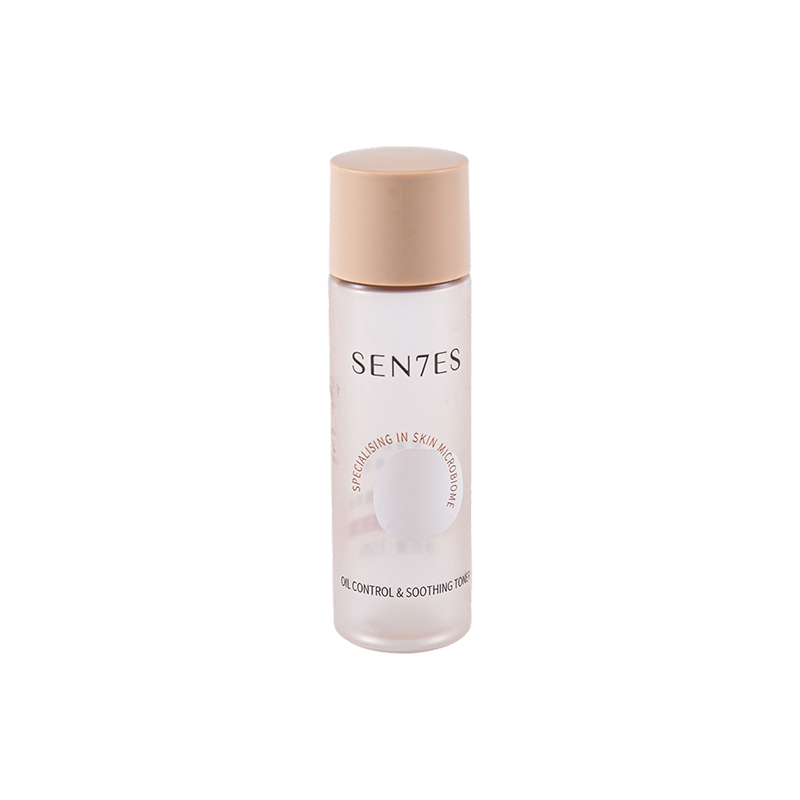
This 15ml transparent small PET bottle is ideal for beauty and skincare brands c...
Products
15-500ml PE bottle (sample bottle) Manufacturers
-
-
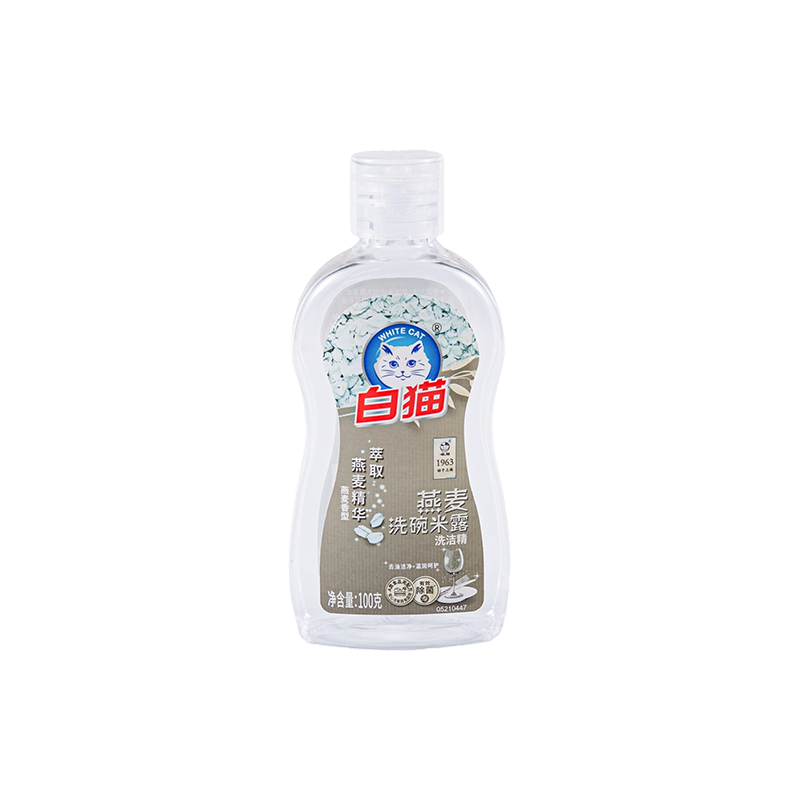 100ml simple and practical PET bottle
Designed with "simplicity and practicality" in mind, this 100ml simple and pract...
-
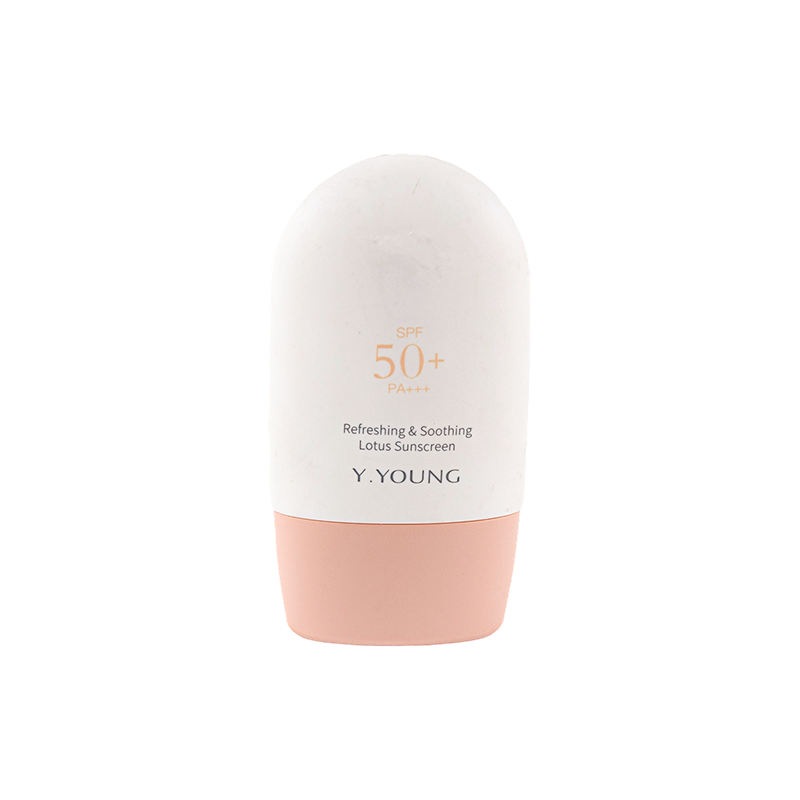 50g simple and refreshing sunscreen PE bottle
This 50g Simple Fresh Sunscreen PE bottle is an exquisite choice in beauty packa...
-
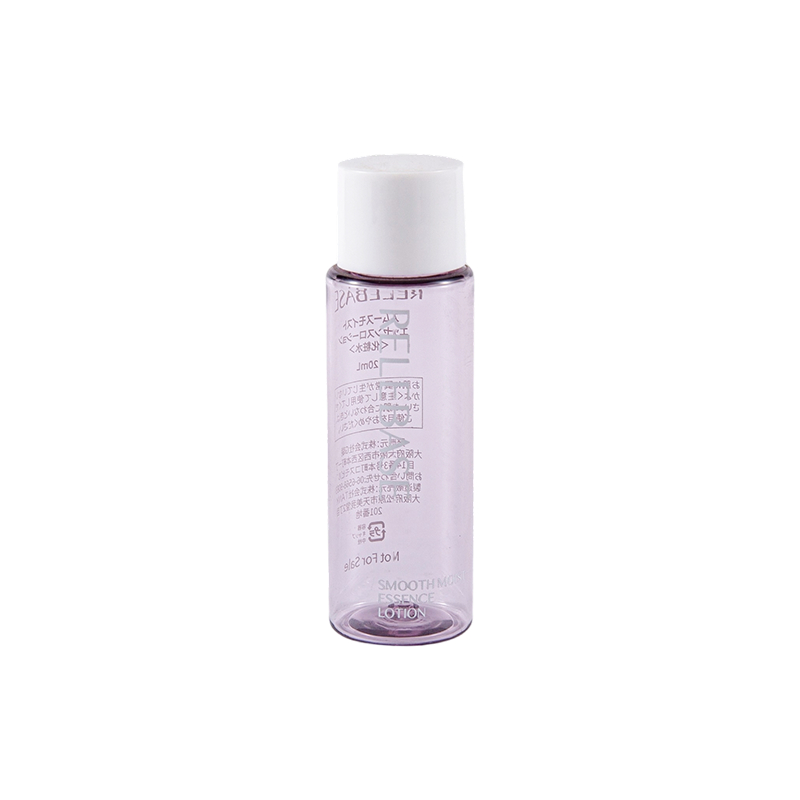 20ml shatter-resistant and easy-to-carry glass-clear PET bottle
For small-volume packaging like cosmetic samples and serum samples, a container ...
-
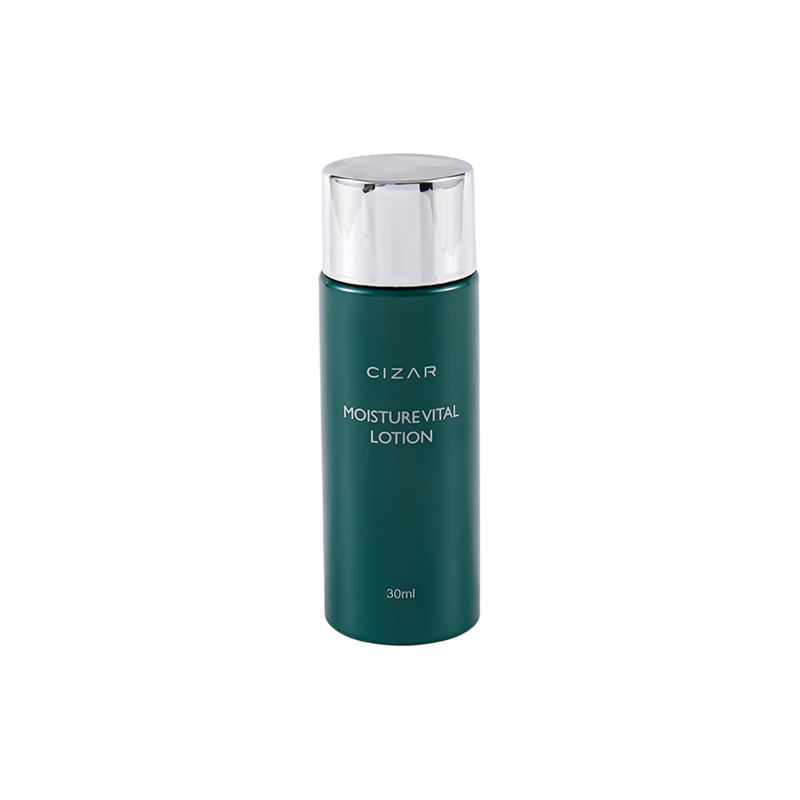 30ml safe, light and refreshing PET bottle
Designed for liquid products seeking convenience and quality, this 30ml safe, li...
Incubator for small and medium-sized hot-selling products, with hundreds of basic bottle types for quick combination. Lightweight bottle reduces logistics costs and meets the packaging needs of products for various purposes.
The 15-500ml PE (polyethylene) sample bottle is a versatile, durable, and practical packaging solution designed for a wide range of industries that require safe, reliable, and easy-to-use containers for small-volume samples. Made from high-quality polyethylene, these bottles are lightweight yet strong, offering excellent resistance to impact, chemicals, and environmental stress—making them ideal for storing and transporting liquids, powders, or granular materials. Their compact size range—from 15ml up to 500ml—ensures they can accommodate various sample quantities, whether for lab testing, product development, or customer trials. These bottles come with secure closures that help prevent leaks and contamination, ensuring the integrity of the sample is maintained throughout handling and transport. The PE sample bottle is its clarity and labeling surface. The smooth body allows for clear printing or handwritten labeling, which simplifies identification and tracking—crucial in laboratories, quality control departments, or field sampling operations. Additionally, polyethylene is known for its inert properties, meaning it won't react with most substances, making these bottles suitable for holding a variety of chemical, pharmaceutical, cosmetic, or food-related samples. These bottles serve multiple purposes across different sectors. In the beauty and personal care industry, they're perfect for dispensing product samples to customers. In scientific and industrial settings, they’re commonly used for collecting and analyzing water, soil, or chemical samples. Even agricultural and environmental agencies rely on them for field testing and compliance reporting. Their portability and stackable design also make them ideal for storage in tight spaces or during transit.
Brotherpacking
Made by BrotherPacking, Built with Ingenuity
Suzhou Brotherpacking Plastic Co., Ltd. , established in 2013, is a professional manufacturer specializing in custom plastic packaging for the daily chemical industry. As 15-500ml PE bottle (sample bottle) Manufacturers and OEM 15-500ml PE bottle (sample bottle) Factory, with a fully integrated production system — including in-house mold design, product development, injection and blow molding, labeling, and final assembly — we serve a wide range of packaging needs for skincare, haircare, body care, and home care brands. Our facility includes an independent mold workshop, high-speed CNC machines, over 50 injection machines and 30+ blow molding machines, supporting multiple material types such as PE, PP, PET, and PETG. Products are exported across Europe, the Americas, and Southeast Asia. Support Custom 15-500ml PE bottle (sample bottle). At BrotherPack, we uphold the spirit of craftsmanship and continuous improvement, delivering high-quality, flexible, and scalable packaging solutions trusted by global clients.
-
25+
Years of Industry Experience
-
20000㎡
Manufacturing Facility
-
150+
Skilled Employees
-
100+
Advanced Production Machines

Message Feedback
News
-
To continuously improve product quality and market competitiveness, Suzhou Brotherpacking Plastic Co., Ltd. will officially launch its Class 100,000 cleanroom construction project next month. This significant move marks a solid step forward for the company in intelligent manufacturing, quality manag...
READ MORE -
An 8,000-square-meter standard production workshop with a daily output of approximately 300,000 pieces; over 50 injection molding machines and over 30 blow molding machines; annual production of 250 sets of various multi-cavity caps and cream jar molds; customized capabilities including mold design,...
READ MORE -
What Is a Plastic Toner Bottle and What Role Does It Play in Printing? A plastic toner bottle is a precision-molded container designed to store, protect, and dispense dry toner powder used in laser printers, digital copiers, and multifunction devices. Unlike ink cartridges that hold liquid, toner b...
READ MORE
INDUSTRY KNOWLEDGE
Factors Affecting the Chemical Resistance of 15-500ml PE Sample Bottles
15-500ml PE bottle sample bottles are widely used for chemical sampling, but their resistance varies based on several parameters. The molecular weight of the PE resin, the degree of branching, and the manufacturing method (blow molding vs. injection molding) all influence how the bottle withstands aggressive solvents or acids. High-density PE (HDPE) provides superior resistance to most alkalis and alcohols, while low-density PE (LDPE) performs better in flexible, low-temperature applications. However, prolonged exposure to aromatic hydrocarbons or strong oxidizing agents may lead to swelling or surface cracking.
Selecting Appropriate Closure Systems for PE Sample Bottles
The integrity of a 15-500ml PE bottle depends not only on its body but also on the closure system. Caps made from polypropylene (PP) or high-density polyethylene (HDPE) are commonly used due to their compatibility with PE. For volatile or moisture-sensitive samples, caps with PTFE liners or silicone gaskets are recommended to enhance sealing performance. Choosing between screw caps, snap-on caps, or tamper-evident closures depends on the required balance between accessibility and contamination prevention.
Storage Conditions to Extend the Service Life of PE Bottles
Improper storage can shorten the lifespan of PE sample bottles. Ultraviolet radiation causes polymer degradation, resulting in brittleness and color changes. Therefore, storage areas should be dry, cool, and away from direct sunlight. Avoid stacking heavy loads on filled bottles to prevent deformation. The optimal storage temperature is between 10°C and 35°C, with humidity below 70% to minimize stress cracking and maintain dimensional stability.
Comparing PE Bottles with Other Polymer Sampling Containers
| Material Type | Key Advantage | Main Limitation |
| PE (Polyethylene) | Excellent chemical resistance and flexibility | Permeable to gases and vapors over time |
| PP (Polypropylene) | Higher heat resistance and rigidity | Less impact resistance in cold conditions |
| PET (Polyethylene Terephthalate) | High clarity and barrier properties | Limited chemical compatibility |
Minimizing Contamination Risk During Sample Collection
To ensure the accuracy of laboratory analysis, contamination control is crucial when using 15-500ml PE sample bottles. Always rinse containers with sample media before final collection to remove potential manufacturing residues. Use sterile gloves and handle bottles by the body rather than the opening. When collecting trace-level samples, pre-cleaning with acid or solvent (depending on analysis type) followed by ultrapure water rinsing can greatly reduce contamination risks.
Design Improvements for Better Handling and Labeling
Modern PE bottle designs emphasize ergonomics and traceability. Graduated markings aid in quick volume estimation, while textured surfaces prevent slippage when handling with gloves. Many 15-500ml PE bottle sample bottles feature flat label areas to accommodate barcodes or QR codes for digital tracking. Some advanced variants include integrated tamper bands or color-coded caps for sample differentiation in multi-batch testing environments.
Best Practices for Reusing and Recycling PE Sample Bottles
Although polyethylene is recyclable, reuse for analytical purposes requires strict inspection. Check for deformation, discoloration, or chemical residues before considering reuse. For industrial recycling, PE bottles are categorized as code “2” plastic (HDPE), which can be processed into pipes, containers, or synthetic lumber. Establishing a closed-loop recycling system within the laboratory helps reduce environmental impact and material waste.
Practical Tips for Laboratory Reuse
- Avoid reusing bottles exposed to corrosive or strong oxidizing agents.
- Rinse thoroughly with distilled water and air dry in a dust-free cabinet.
- Mark reused bottles clearly to distinguish from new sterile containers.
Copyright © Suzhou Brotherpacking Plastic Co., Ltd. All Rights Reserved. Custom Empty 15-500ml PE bottle (sample bottle) Factory
