

 en
en  English
 Español


Content
- 1 Size Selection Based on Product Type and Formulation
- 2 Market Positioning and Price Point Considerations
- 3 Regulatory and Labeling Space Requirements
- 4 Sustainability and Environmental Impact of Size Choices
- 5 Dispensing Mechanisms and Size Compatibility
- 6 E-Commerce and Shipping Considerations
- 7 Testing and Sampling Strategy Through Size Variation
- 8 Future Trends in Cosmetic Bottle Sizing
Cosmetic bottle sizes span a wide spectrum, typically ranging from miniature 5ml containers to generous 500ml bottles, each serving distinct purposes in the skin care product packaging ecosystem. The most prevalent size categories include travel-sized containers (5ml-15ml), sample and trial sizes (15ml-30ml), standard retail sizes (30ml-100ml), and professional or refill sizes (100ml-500ml). Understanding these fundamental categories enables brands to align packaging choices with product positioning, consumer needs, and market expectations.
The selection of bottle size directly impacts consumer perception, purchase decisions, and usage patterns. Smaller bottles communicate portability and convenience, making them ideal for travel products, first-time trials, or concentrated formulations that require minimal application. Mid-range sizes between 30ml and 50ml have emerged as the sweet spot for facial serums, eye creams, and specialized treatments, offering sufficient product for extended use while maintaining premium positioning. Larger formats beyond 100ml are typically reserved for body lotions, cleansers, and products with higher per-application volume requirements.
Industry standardization has evolved around specific milliliter increments that optimize manufacturing efficiency, shipping logistics, and shelf presentation. Common standard sizes include 10ml, 15ml, 30ml, 50ml, 100ml, 150ml, 200ml, and 250ml, with variations depending on regional preferences and regulatory requirements. These standardized measurements facilitate easier comparison shopping for consumers and streamline supply chain operations for manufacturers, distributors, and retailers throughout the skin care product packaging industry.
Size Selection Based on Product Type and Formulation
Different skin care formulations require thoughtful consideration of appropriate bottle sizes based on product concentration, recommended usage frequency, and expected consumption rates. High-potency serums containing expensive active ingredients like retinol, vitamin C, or growth factors typically come in 15ml to 30ml bottles, as users need only a few drops per application and the concentrated formula justifies premium pricing. This sizing strategy maximizes perceived value while ensuring product freshness throughout the usage period.
Moisturizers and day creams generally occupy the 30ml to 75ml range for facial products, providing approximately one to three months of supply based on twice-daily application. Body moisturizers and lotions require substantially larger containers, typically ranging from 200ml to 500ml, accommodating the greater surface area requiring coverage and higher per-use volume. Cleansers fall into an intermediate category, with facial cleansers commonly sized between 100ml and 200ml, while body washes extend to 250ml-500ml formats.
| Product Category | Recommended Size Range | Typical Duration |
| Eye Cream | 15ml - 20ml | 2-3 months |
| Facial Serum | 30ml - 50ml | 1-2 months |
| Face Moisturizer | 50ml - 75ml | 1-2 months |
| Facial Cleanser | 100ml - 200ml | 2-3 months |
| Body Lotion | 250ml - 500ml | 2-4 months |
| Toner/Essence | 100ml - 150ml | 1-2 months |
Market Positioning and Price Point Considerations
Bottle size selection serves as a powerful tool for market positioning and price architecture within skin care product packaging strategies. Premium and luxury brands often deliberately choose smaller bottle sizes to maintain higher per-milliliter pricing while creating an aura of exclusivity and concentrated efficacy. A 30ml premium serum priced at $150 communicates luxury and potency more effectively than a 100ml product at the same total price point, as consumers associate smaller quantities with higher concentrations of valuable ingredients.
Mass-market brands typically favor larger sizes that emphasize value and longevity, with 50ml to 100ml being common for face products and 250ml to 500ml for body products. This sizing strategy appeals to budget-conscious consumers seeking maximum product quantity per dollar spent. Mid-tier brands often offer multiple size options within the same product line, creating good-better-best hierarchies that accommodate different purchase occasions and consumer segments while encouraging trading up through attractive per-unit economics on larger sizes.
The relationship between bottle size and perceived value extends beyond simple price-per-milliliter calculations. Psychological pricing thresholds play crucial roles in purchase decisions, with specific price points like $49.99, $99.99, or $149.99 serving as natural barriers. Brands must carefully calibrate bottle sizes to hit these strategic price points while maintaining acceptable margins and competitive positioning within their category segments of the skin care product packaging market.
Regulatory and Labeling Space Requirements
Regulatory compliance represents a critical constraint in cosmetic bottle size selection, as governing bodies worldwide mandate specific labeling information that must appear legibly on primary packaging. The FDA in the United States, the European Union's Cosmetics Regulation, and similar authorities in other markets require declaration of ingredients, warnings, directions for use, and manufacturer information. Smaller bottles present significant challenges in accommodating all required text while maintaining readability and aesthetic appeal.
Bottles below 15ml often necessitate creative labeling solutions such as fold-out labels, booklet labels, or minimalist primary packaging supplemented by comprehensive secondary packaging. These approaches add complexity and cost to skin care product packaging but enable compliance while preserving brand design integrity. Mid-sized bottles between 30ml and 100ml generally provide adequate surface area for standard labeling without special accommodations, while larger bottles offer ample space for extensive product information, usage instructions, and marketing messages.
Minimum Size Limitations by Region
Different markets impose varying restrictions on minimum sellable sizes for cosmetic products. Some jurisdictions prohibit extremely small sample sizes from regular retail sale, requiring them to be clearly marked as samples or promotional items not for resale. Understanding these regional variations is essential for brands developing global skin care product packaging strategies, as a one-size-fits-all approach may create compliance issues in certain markets.
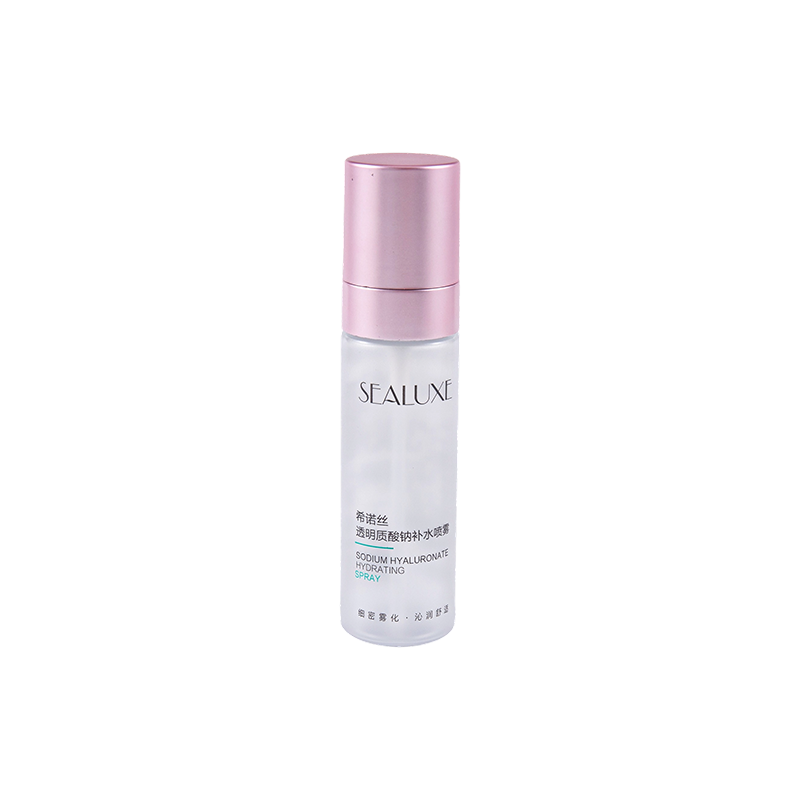
Sustainability and Environmental Impact of Size Choices
Environmental considerations increasingly influence cosmetic bottle size decisions as consumers and brands prioritize sustainability in skin care product packaging. Larger bottle sizes generally offer better environmental efficiency through improved product-to-packaging ratios, reducing overall material consumption per milliliter of product delivered. A 100ml bottle uses substantially less total packaging material per unit of product than five individual 20ml bottles, even accounting for the thicker walls required for larger containers.
However, larger sizes present preservation challenges that may necessitate preservative systems or packaging features that complicate recycling or increase environmental footprint. Airless pump bottles, while excellent for product protection and dispensing control, involve more complex multi-material construction that hampers recyclability compared to simple bottles. Brands must balance the environmental benefits of larger sizes against potential waste if consumers abandon products before completion due to formula deterioration, preference changes, or excessive purchase quantities.
- Refillable systems allowing consumers to purchase larger economical refills while retaining premium original bottles reduce packaging waste and reinforce brand loyalty
- Concentrated formulas in smaller bottles that users dilute at home minimize shipping weight and packaging volume while empowering consumer customization
- Sample and trial sizes serve important marketing functions but generate disproportionate packaging waste, pushing brands toward digital sampling or reusable sample programs
- Post-consumer recycled (PCR) materials and mono-material designs improve recyclability across all bottle sizes, with some sustainability-focused brands achieving 100% PCR content
Dispensing Mechanisms and Size Compatibility
The relationship between bottle size and dispensing mechanism significantly impacts user experience, product preservation, and waste minimization in skin care product packaging. Pump dispensers work optimally with bottles containing at least 30ml of product, as smaller volumes may not provide sufficient draw depth for reliable pumping action throughout product life. Dropper bottles function effectively across a wider size range from 10ml to 50ml, offering precise dosing control ideal for serums and treatments requiring measured application.
Twist-cap and flip-cap closures remain versatile across virtually all size ranges but offer less precision and protection than specialized dispensing systems. For thick creams and lotions in larger jars (50ml-100ml), wide-mouth openings facilitate application but expose the entire product to air and potential contamination with each use. Spatula applicators or pump mechanisms for jars address hygiene concerns while adding complexity and cost to skin care product packaging.
Airless pump technology has revolutionized packaging for oxidation-sensitive formulations, maintaining product integrity by preventing air exposure throughout the usage cycle. These systems typically require minimum volumes of 15ml to 30ml for effective operation and are most cost-effective in the 30ml to 100ml range where the premium for airless technology represents a reasonable percentage of total product cost. Brands must evaluate whether the preservation benefits justify the increased packaging investment for their specific formulations and target markets.
E-Commerce and Shipping Considerations
The explosive growth of direct-to-consumer e-commerce has elevated shipping cost and breakage risk as critical factors in cosmetic bottle size selection. Dimensional weight pricing by carriers means that bulky packaging relative to actual product weight creates significant shipping cost penalties. Compact bottle designs that minimize void space within shipping cartons optimize logistics economics, particularly important for subscription models where shipping represents recurring costs rather than one-time expenses.
Smaller bottle sizes between 30ml and 50ml offer distinct advantages for e-commerce operations, fitting efficiently into mailer boxes, reducing total shipment weight, and lowering breakage risk during transit. However, brands must balance these logistical benefits against potential increases in shipping frequency if consumers deplete smaller sizes more quickly. Some brands address this tension through subscription programs that automatically replenish products on optimized schedules, ensuring consumers never run out while maintaining economical shipping batch sizes.
International shipping introduces additional complexity, as customs regulations often impose thresholds based on product value or quantity that trigger different duty rates, documentation requirements, or import restrictions. Strategic bottle sizing can help products remain below these thresholds, facilitating smoother international expansion. Additionally, travel-sized products under 100ml for liquids enjoy simplified air travel compliance, expanding usage occasions and gift-giving opportunities for skin care product packaging.
Testing and Sampling Strategy Through Size Variation
Strategic deployment of multiple size options enables sophisticated market testing and customer acquisition strategies. Travel sizes and deluxe samples in the 5ml to 15ml range serve as low-risk trial opportunities, allowing consumers to evaluate products before committing to full-size purchases. Conversion rates from sample to full-size purchases typically range from fifteen to thirty percent for effective products, making sample programs powerful customer acquisition tools despite their lower direct profitability.
Limited edition or seasonal sizes create urgency and collectibility while testing consumer response to new formats without fully committing production resources. A brand might release a 75ml limited edition of a popular 50ml product to gauge demand for larger sizes, or introduce a 20ml travel version to assess portable format interest. These size experiments generate valuable market intelligence while creating newsworthy product launches that drive media coverage and social media engagement.
Value sets and discovery kits containing multiple products in coordinated smaller sizes serve dual purposes of introducing consumers to complete routines while showcasing range breadth. These sets typically feature 10ml to 30ml versions of full-size products, providing adequate trial duration while maintaining gift-appropriate price points. The skin care product packaging for these sets requires careful coordination to create cohesive visual presentation while accommodating varying bottle shapes and sizes within unified secondary packaging.
Future Trends in Cosmetic Bottle Sizing
Emerging trends suggest movement toward more personalized and flexible sizing approaches in skin care product packaging. Customizable subscription services are experimenting with algorithm-driven size recommendations based on individual usage patterns, delivering precisely calibrated quantities that minimize waste while ensuring continuous supply. Smart packaging incorporating NFC chips or QR codes enables tracking of actual usage rates, informing future size optimization and replenishment timing for individual consumers.
Modular packaging systems allowing consumers to mix and match different sized components within unified aesthetic frameworks are gaining traction among innovative brands. These systems might include a permanent display bottle housing interchangeable refill cartridges available in multiple sizes, combining sustainability benefits with flexibility to adjust purchase quantities based on evolving needs and preferences without compromising bathroom counter aesthetics.
The continued rise of concentrates and waterless formulations is challenging traditional size paradigms in skin care product packaging. Products requiring consumer dilution or activation can deliver equivalent usage in substantially smaller packages, dramatically reducing shipping costs and environmental impact while commanding premium positioning. As these formulation technologies mature and gain consumer acceptance, expect significant disruption to established bottle size conventions across multiple product categories within the cosmetics industry.
