

 en
 English
 Español


Content
Plastic cream jars do quiet work. They hold a formula that may take months to develop, protect it from air and light, and give shoppers their first tactile impression of a product. Whether you are packing a rich night cream, a gel moisturizer, or a treatment balm, the jar is part of the product experience. This guide is written for packaging developers, brand owners, and procurement teams who want a practical way to compare materials, sizes, closures, decoration, and quality controls without overcomplicating the brief.
Why the Jar Deserves a Careful Brief
A cream jar is more than a container. It has to resist repeated opening and closing, sit securely in a bathroom cabinet, and look at home on a shelf or in an unboxing video. The wall thickness affects perceived quality; the neck finish affects closure fit and leak risk; the surface finish affects how light and texture are perceived. A jar that feels solid but is too heavy may raise shipping costs, while an ultra-light jar may need extra ribbing or design work to feel reassuring.
Our cream jar range shows how many variables can be adjusted in one format: clear PET, opaque PP, wide mouth, narrow mouth, small sample sizes, and larger treatment sizes. The right starting point is not a shape alone. It is the formula, the use case, and the retail channel.
Material Choices for Plastic Cream Jars
PET, PP, and PE are common, but they behave differently. PET is clear, rigid, and good for showing color and texture. It suits gel creams, translucent formulas, and brands that want a glass-like look with lower weight. PP is opaque or can be colored, has good chemical resistance, and works well for thicker creams and jars that need a sturdy thread. PE is softer and more flexible; it can be a good fit for squeezable or large-format jars, though it is less common for premium cream jars that need a crisp finish.
Consider the formula first. Essential oils, acids, and active ingredients may influence the liner and the resin. A clear jar can expose a cream to light, so amber or opaque material may be better for light-sensitive products. If you need a clean, minimal look, a white PP jar can provide a consistent background. If you want to show a swirl or gel texture, PET is often the first option.
For a small clear jar, the 45ml clear and simple PET jar is a useful reference point for sampling and travel sizes.
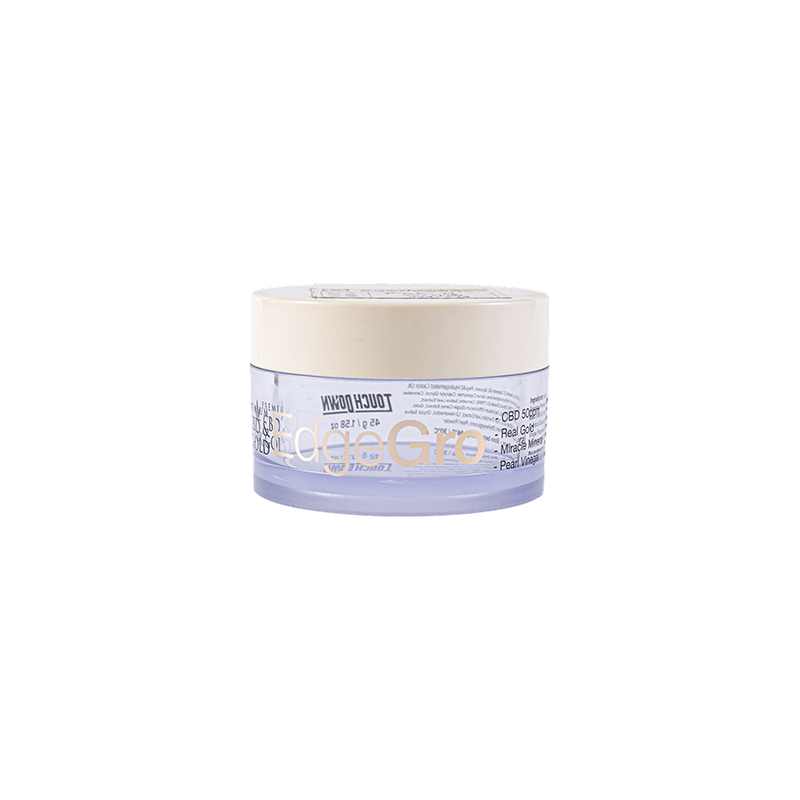 45ml Clear PET Jar with Beige Gold-Stamped CapA transparent 45ml PET jar for creams and serums, useful as a sampling or travel size reference with a beige cap and gold hot stamping.View Product →
Clear material also has practical limits. It shows every fingerprint and fill-line inconsistency, so the filling process and decoration need to be aligned with the chosen jar. A frosted finish can soften the look while keeping some transparency, but it may change the apparent color of the cream. If the formula contains light-sensitive actives, an opaque jar is usually the safer route.
Matching the Right Size and Format
Capacity is often the first number in a brief, but it is not the only one. A 50ml jar and a 50ml bottle can feel very different in the hand. Neck diameter, overall diameter, height, and thread design all affect filling speed, closure choice, label area, and carton efficiency. A wide-mouth jar is easier to fill and scoop, while a narrower mouth can give a more controlled, premium feel.
| Capacity | Typical material | Common use | What to check |
|---|---|---|---|
| 15-50 ml | PET or PP | Samples, travel, eye cream | Closure fit and label area |
| 50-80 ml | PP or PET | Face cream, gel, treatment | Stackability and fill line |
| 100-110 ml | PP | Body cream, balm, salon use | Wide-mouth filling and use |
A 110ml wide-mouth PP jar can be a practical choice for thicker creams because it gives more room for filling and scooping.
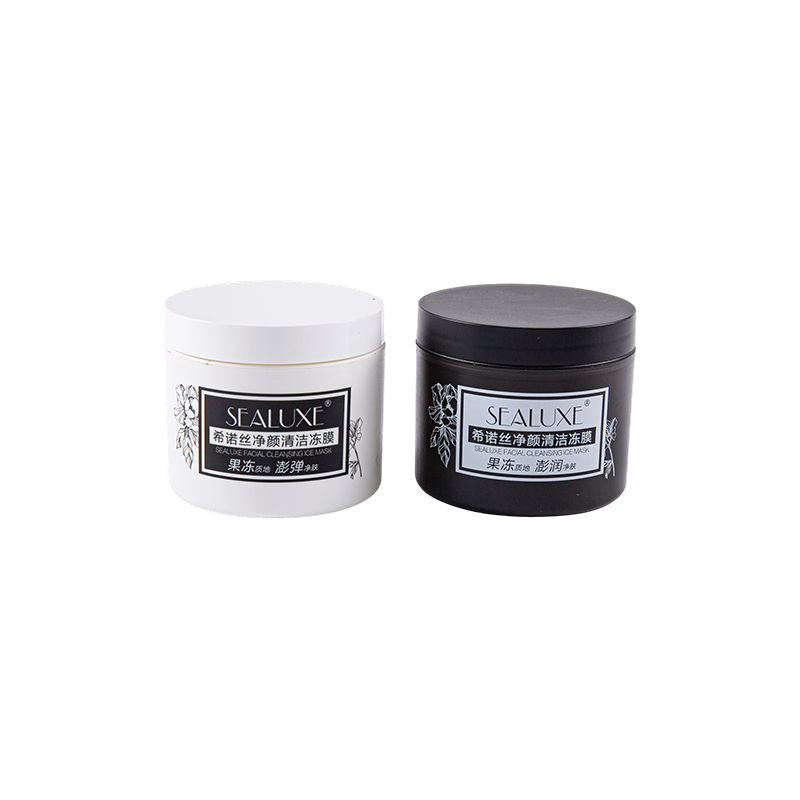 110ml Wide-Mouth PP Jar for Thick CreamsA 110ml wide-mouth PP jar for thick creams and masks, available in white or dark gray, with a snug cap and easy scooping access.View Product →
Do not approve a size from a catalog drawing alone. Ask for a filled sample at the intended fill volume. The cream should sit below the thread with enough headspace for the cap liner, and the jar should still look generously filled when opened by a consumer.
Closures, Liners, and Daily Use
Thread design and liner choice are critical. A jar can pass a leak test in the lab and still fail in a handbag if the thread is too shallow or the liner is too soft for the formula. Some creams need a tight seal for fragrance retention; others need a liner that does not absorb oils or react with the product. The cap and jar should be tested as a system, not selected separately.
Opening torque matters as well. A cap that is too easy to turn may feel insecure; one that is too tight can be difficult for older users or anyone with limited hand strength. A knurled cap, a smooth cap, or a recessed lid all change the daily experience. If the jar will be used in a shower, consider how it behaves with wet hands and whether the base is stable on a curved shelf.
Decoration That Supports the Brand
Decoration should be decided with the fill line and use case in mind. Frosting can make a clear jar look softer, but it may reduce the visibility of the cream. Metallization can look premium, but it may need extra care on the thread and inside the jar. Labels need a flat area; screen printing works on curved surfaces; hot stamping can add a fine accent. Matte finishes feel modern but show fingerprints; gloss finishes are easy to wipe but can look less textured.
A 50ml white PP jar gives a clean, opaque base for labels and simple print, and it is easy to pair with a matching cap.
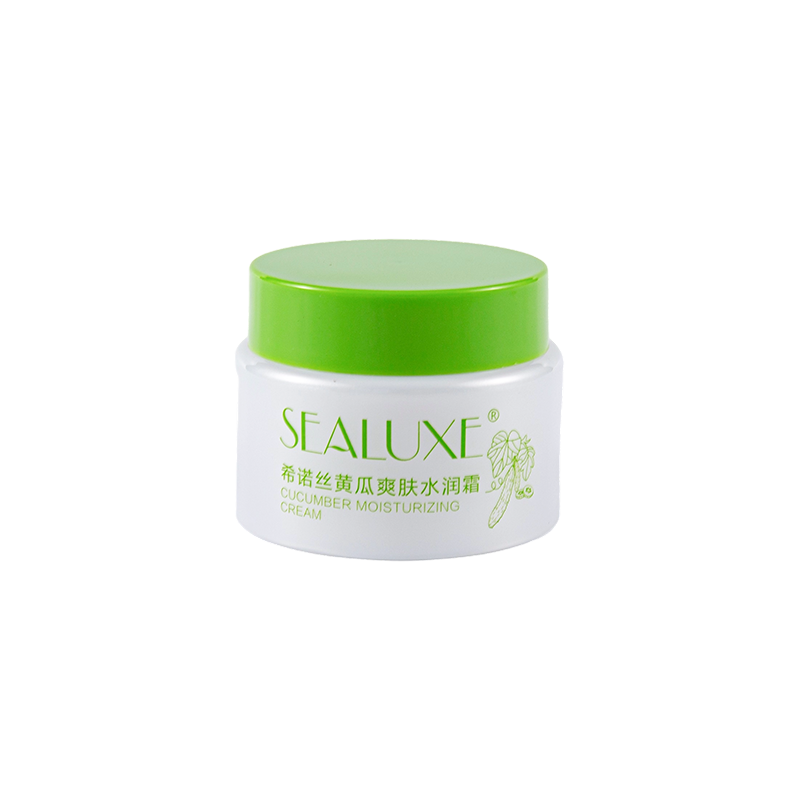 50ml White PP Jar with Green CapA 50ml opaque white PP jar for face creams and moisturizers, paired with a green cap for simple contrast and label-friendly shelf presentation.View Product →
Keep decoration samples in the actual lighting where the product will be sold and used. A shelf in a bright store, a bathroom mirror, and a close-up product photo can reveal different things about gloss, color, and print sharpness. The goal is not to add every effect. It is to make the jar feel coherent with the formula and the price point.
Quality, Hygiene, and Supplier Reliability
For leave-on creams, cleanliness is not a decorative claim. Ask how the supplier controls resin, regrind, dust, and finished goods. A 100,000-grade cleanroom, documented ISO procedures, and in-process checks are useful signals. They do not replace a line trial, but they reduce avoidable risk. The team behind the jar should be able to review drawing tolerances, closure fit, liner compatibility, and drop performance before production.
We also recommend asking for a quality control process overview and a sample from the actual production line, not only from a showroom. At Brotherpacking, our experience of more than 30 years in plastic packaging has shown that clear communication at the sampling stage saves far more time than catching issues after mass production.
A Practical Buyer Checklist
Before you approve a plastic cream jar, run through the basics:
- Confirm the formula compatibility, including fragrance, acids, and active levels.
- Choose capacity and neck finish from the fill volume and closure.
- Request a filled sample and test opening torque, leak, and drop.
- Review decoration on the actual jar, not a flat artwork proof.
- Check liner, cap, and jar as a system, not as separate parts.
- Ask for production and hygiene documentation.
- Plan a pilot run before the full order.
If the project is for a premium cream, also test how the jar looks in bathroom light and how it feels after a few uses. Those small observations often determine whether a package feels right.
Bring the Brief into Focus
Plastic cream jars can be simple, but the details are not. Material, size, neck finish, closure, decoration, and quality control all influence how a cream performs and how a brand is perceived. Start with the formula and the user, then let the jar follow. If you are weighing a custom design against an existing mould, our team can help you compare options and build a sample plan that answers the practical questions early.
