

 en
en  English
 Español


In a highly competitive market for product packaging, plastic packaging possesses powerful brand marketing capabilities. So, which texture should companies choose to enhance the appeal of their products? As a professional custom plastic packaging manufacturer, Brotherpack is seeing an increasing number of clients opting for frosted surfaces. So, what are the characteristics of a frosted surface compared to the more common transparent finish?
First, let's understand what a frosted surface is. A frosted surface is created through special surface treatment processes such as sandblasting, acid etching, or matte spraying. These processes create a soft, diffused texture with a very smooth feel. Compared to completely transparent bottles, the production process for frosted packaging involves improved mold design, uniform coating, and more stringent quality inspection. The resulting sophisticated matte effect enhances both the tactile and visual experience.
In the hair care and cosmetics industry, frosted bottle packaging has become the preferred choice for creating an elegant and high-end design. For shampoo bottles, conditioner bottles, and shower gel bottles, a frosted surface creates a soft, luxurious texture, perfectly matching the smooth and nourishing concept conveyed by the product. In cosmetics such as toner bottles, serum jars, and cream jars, frosted finishes add a sense of sophistication and exclusivity, creating a high-end, minimalist visual effect that complements premium skincare brands.
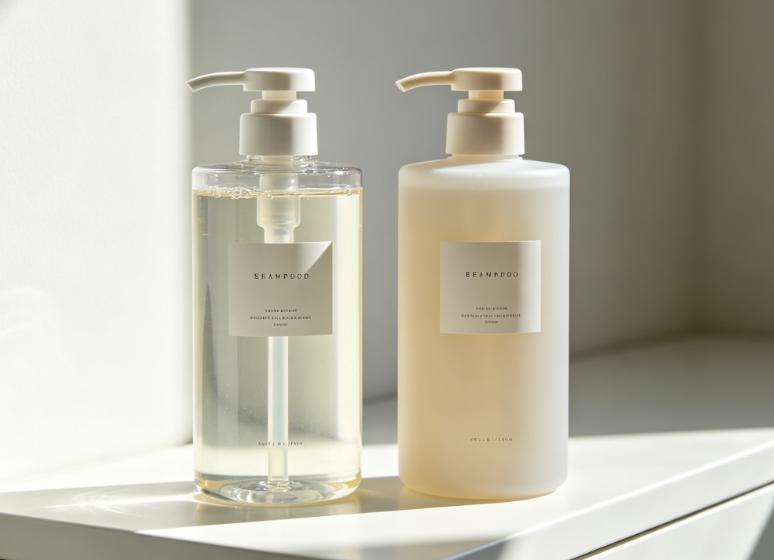
Unlike transparent bottles that emphasize product visibility, frosted surfaces subtly conceal the contents, giving consumers a sense of mystery and refinement. This understated elegance attracts a growing number of consumers who appreciate minimalist and sophisticated design, which is especially important in today's visually driven market, where packaging design often influences purchasing decisions.
Furthermore, beyond visual impact, frosted finishes offer numerous practical advantages. The frosted surface helps diffuse light, providing extra protection for photosensitive formulas like oils or serums. It also effectively prevents fingerprints and stains, maintaining a clean and smooth appearance throughout the shelf life. Additionally, the frosted surface enhances grip—a feature often overlooked but crucial for improving the user experience, particularly for bath products. Many people find it difficult to grip a smooth, foam-covered bottle in the bathtub.
While frosted bottles typically cost slightly more to produce than transparent ones, from a perceived value perspective, the investment is often worthwhile. Products packaged in frosted containers often convey an impression of high quality, thus justifying higher prices and enhancing brand image. For mid-to-high-end brands, this subtle upgrade in packaging can directly impact consumer perception and trust. Our US clients tell us: conveying a message of high quality before consumers even open the product is the best product marketing!
In future plastic packaging customization, more and more clients will choose special surface treatments such as frosting and spray painting. These increase costs by approximately 20% compared to transparent or colored surfaces. However, in actual sales, the luxurious texture of frosted surfaces significantly impacts sales because it enhances the product's brand image. Therefore, choosing a frosted surface treatment is actually a high-return investment!
The rise of frosted and other textured packaging reflects a shift in brand design towards sensory experience-based brands, where customer feelings are just as important as visual experience. This is a strategic element that determines brand experience. So, would you choose a natural color or a frosted texture?
