

 en
 English
 Español


Content
Cosmetic packaging compliance in Europe is genuinely awkward, because the bottle is not the cosmetic product, and yet it is assessed as part of it. Regulation (EC) No 1223/2009 obliges the Responsible Person to hold a Product Information File that includes evidence the packaging is compatible with the formula and does not create a safety risk for the consumer. A supplier letter saying "our bottles are safe" does not satisfy that requirement, and a general certificate for a factory does not either.
What follows is what we, as a plastic bottle manufacturer, actually hand over when a customer is preparing a European launch: which reports matter, who issues them, and where the gaps usually appear months before they become urgent. Treat it as practical guidance rather than legal advice; your Responsible Person and your accredited laboratory have the final word on scope.
Who Actually Owns the Compliance Question
It helps to separate two sets of obligations that are often blurred in email threads.
- The brand, through its EU Responsible Person, owns the Cosmetic Product Safety Report, the Product Information File, the CPNP notification and the good manufacturing practice duties under ISO 22716.
- The packaging manufacturer, owns material transparency, the declarations that describe what the plastic actually contains, the supporting test data, and consistency of production from one batch to the next.
We can sign a declaration of compliance for a resin grade and commission migration testing from an accredited laboratory. We cannot sign your safety report, and any converter who offers to should make you cautious. The useful conversation is not "can you certify this bottle"; it is "which data do you hold, and what does your lab need from us to close the remaining questions".
The Rules Behind the Reports
Four instruments shape most of the requests you will receive. First, Regulation (EC) No 1223/2009, particularly Article 17 on traces of prohibited substances and Annex I, which asks for data on the purity and compatibility of the packaging material. Second, the food-contact framework, Regulation (EC) No 1935/2004 and Regulation (EU) No 10/2011 on plastics. Cosmetic packaging is not legally food packaging, but the plastic regulation is the most mature reference for migration limits and is routinely used as the benchmark by testing houses and safety assessors. Third, REACH, which brings the candidate list of substances of very high concern and the SCIP database notification when a part contains more than 0.1 percent of a listed substance. Fourth, the Packaging and Packaging Waste Regulation, which is reshaping recyclability and recycled-content expectations; timelines are still moving, so confirm the current milestones with your compliance advisor before fixing a design decision.
The Report Matrix at a Glance
The table below is the typical set we see requested by European brand owners. It is not a menu to order everything from; scope should follow the resin, the formula and the decoration.
|
Document |
What it demonstrates |
Usually triggered by |
|
Declaration of Compliance |
The resin grade and additives meet the referenced plastic requirements |
Any new resin, colourant or supplier change |
|
Overall and specific migration |
How much material can transfer into the formula under defined conditions |
New pack, new formula or new decoration |
|
Heavy metals (Pb, Cd, Hg, Cr VI) |
Pigments and contamination remain below accepted limits |
Coloured, pearlescent or recycled-content parts |
|
NIAS screening |
Non-intentionally added substances are identified and assessed |
Complex resins, recycled content, reactive additives |
|
Compatibility and stability |
The container survives months of contact without leaching, stress cracking or drift |
Every new pack and formula pairing |
|
Microbiological status |
Cleanliness of the item as produced and packed |
Cleanroom production or hygiene-sensitive claims |
|
Mechanical and functional |
Drop resistance, leak and vacuum integrity, pump dose, closure torque |
Every new mould and every closure combination |
|
Transport simulation |
The packed carton survives distribution to the EU |
Export shipments and e-commerce sets |
|
Recyclability statement |
Design-for-recycling data and material composition |
New packaging formats and PPWR planning |
What the Main Tests Actually Tell You
Migration
Overall migration measures total transfer; specific migration measures named substances against their limits. Both depend on the food simulants or cosmetic contact conditions chosen, which is why a report without a stated protocol is close to useless. Send your laboratory the full formula, the fill volume, the intended storage temperature and the shelf life, and let them set the conditions rather than reusing a report from an unrelated product.
NIAS Screening
Non-intentionally added substances are the breakdown products, oligomers and impurities nobody put in on purpose. This is where recycled content and heavily pigmented resins deserve extra attention, and where a generic statement of "no harmful substances" fails quickly under a safety assessor's questions.
Compatibility and Stability
We have seen elegant PET bottles develop stress cracks after eight weeks against a high-alcohol formula, and amber jars discolour against an acidic gel. Accelerated testing at elevated temperature, followed by real-time confirmation, is the only reliable way to catch this before the launch. It is also the test most often skipped when a project is running late.
Mechanical, Functional and Transport
Drop testing, vacuum and pressure leak checks, pump output per stroke and closure torque are simple but decisive. A bottle that leaks in a warehouse costs more than any certificate. Transport simulation on the filled carton completes the picture for long sea freight.
The Parts Everyone Forgets
Decoration and dispensing components are frequently left out of the first submission. Screen print, hot stamping foil, pressure-sensitive labels, adhesives, the elastomer in a pump gasket, the bulb of a dropper: each is a separate material in contact with the formula and may need its own migration or NIAS data. When a brand sends us artwork, we ask early which inks and foils will be used, because retrofitting a declaration after the print run is far more expensive than choosing a compliant ink at the start.
It is also worth being precise about "food grade". Many cosmetic bottles are blow moulded from resins that carry food-contact declarations, and that documentation is genuinely helpful as supporting evidence. It is not a substitute for the cosmetic assessment. The safety assessor still needs to know how the finished article behaves against your specific formula.
Assembling the Dossier in a Sensible Order
Working in this sequence tends to avoid rework:
- Fix the pack: resin, colour, decoration and dispensing components.
- Collect material declarations and the supplier declaration of compliance for each component.
- Agree the testing scope with your laboratory and your safety assessor, in writing.
- Run migration and NIAS testing on the finished article, not only on the resin.
- Run compatibility and stability testing with the real formula at the real fill volume.
- Add mechanical, functional and transport data.
- Check REACH obligations, including SCIP notification where relevant.
- File everything against the Product Information File, with report numbers and dates.
Keep the reports current. A change of colourant, a new mould cavity or a resin supplier switch can invalidate earlier conclusions, and it is far easier to record that decision at the time than to reconstruct it during a distributor audit.
How We Support Your EU Submission
We have been moulding plastic packaging for cosmetic, personal care and household brands for over thirty years, and the compliance conversation has become part of the design conversation rather than an afterthought. Our production runs in a 100,000-class clean workshop with quality control from incoming resin to final carton, and our technical and inspection staff make up a large share of the team. What that means for you in practice is traceability: we can tell you which resin lot went into which batch, and we keep the documentation that supports it.
For brands preparing a European file, our quality control process covers the material records, in-process checks and retained samples that testing laboratories and safety assessors ask for. Typical formats that go through this route include cream jars, lotion and essence bottles and toner bottles, where wall thickness, neck finish and decoration all affect the test outcome.
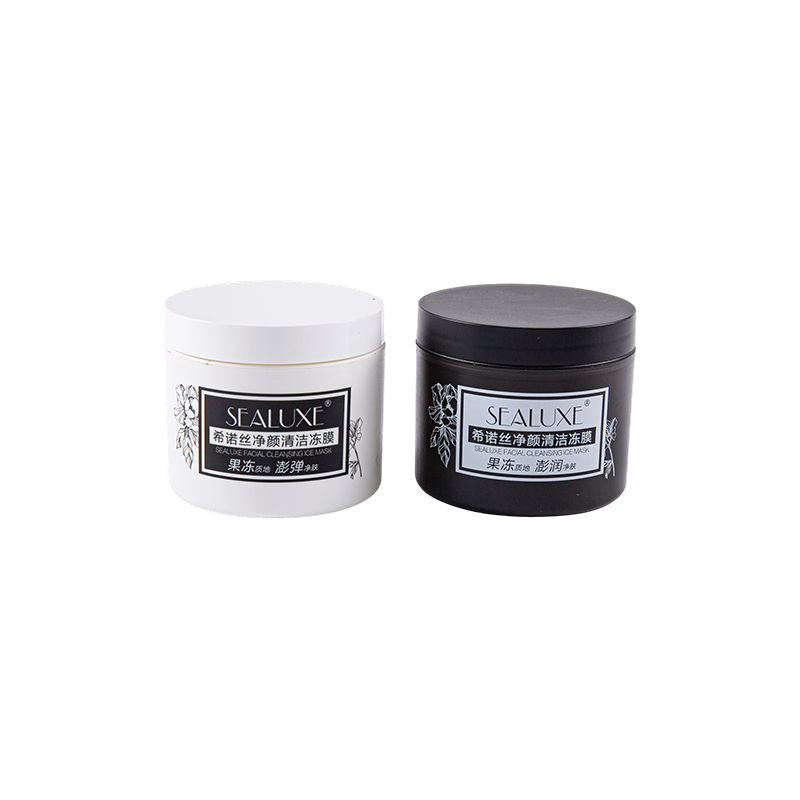 110 ml Wide-Mouth PP Cream JarWide-mouth PP cream jar in 110 ml, available in white or dark gray, suited to thick creams and supporting material records for European files.View Product →
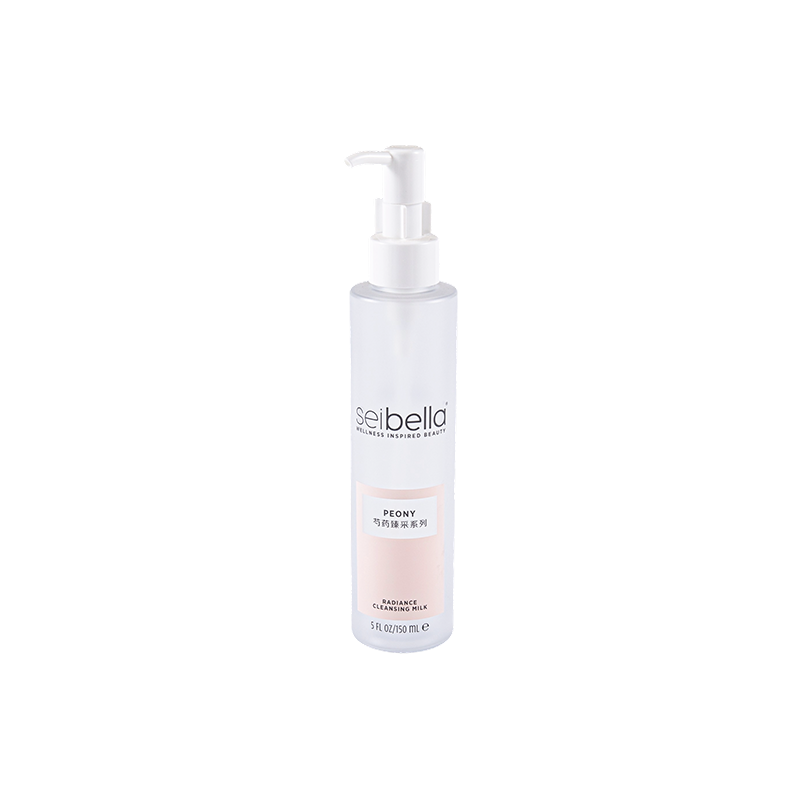 150 ml Transparent PET Lotion BottleTransparent PET lotion bottle with white pump, 150 ml capacity and 24-thread neck, suited to daily skincare and compatible with filling equipment.View Product →
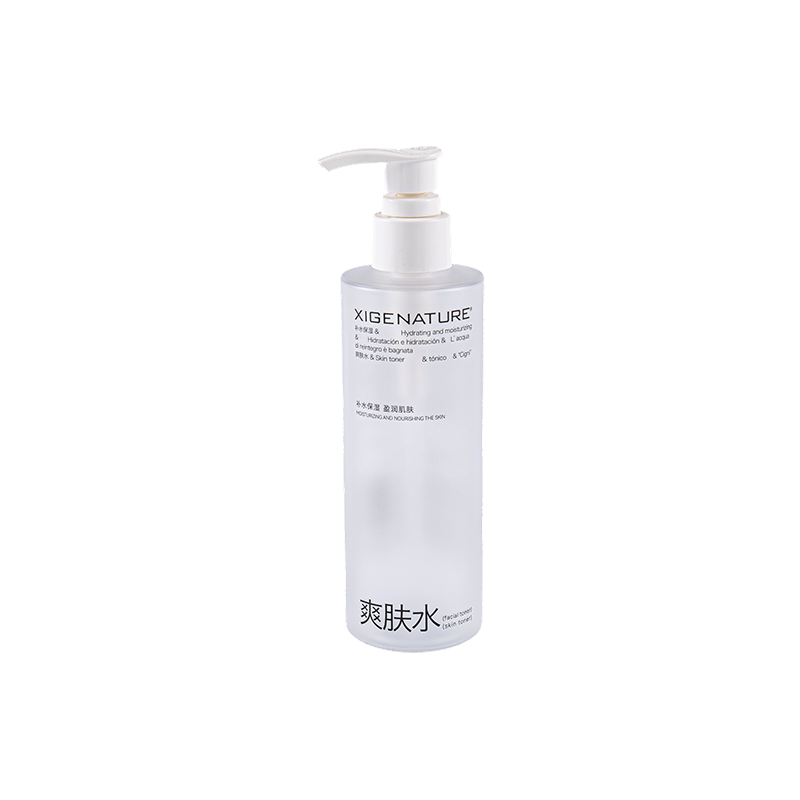 200 ml Transparent Frosted PET Toner BottleFrosted transparent PET bottle with white pump, 200 ml capacity and 35.7 g weight, suited to toners, serums and travel skincare packaging.View Product →
We are honest about the boundary: we provide material data, declarations, dimensional and functional test records and production consistency evidence, and we work with the laboratories you or your Responsible Person appoint. The safety assessment itself sits with your team.
If you take one thing from this article, let it be that the paperwork should start when the bottle drawing starts, not when the container ship is booked. Brands that brief their packaging partner on the target market at kick-off spend far less time chasing certificates later, and they usually end up with a simpler design as a result.
If you are planning a European launch and want to know which documents we can supply for a specific bottle, jar or closure, send us the pack specification and the formula outline and we will map out the testing path with you before anything goes into a mould.
