

 en
en  English
 Español
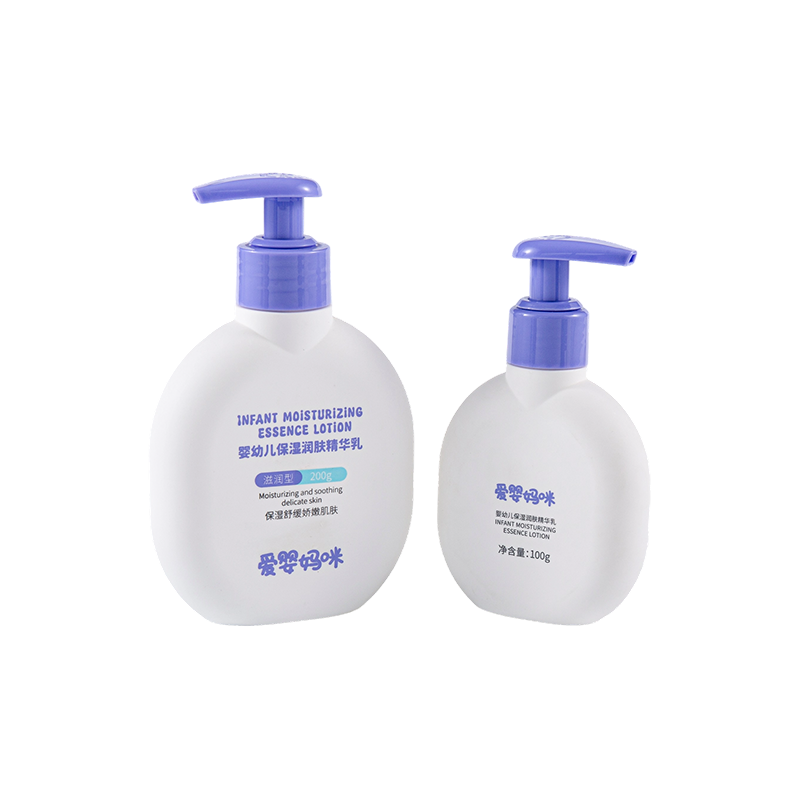
The simple and beautiful purple-capped round PE bottle is a versatile packaging ...
Products
Skin care product packaging Manufacturers
-
-
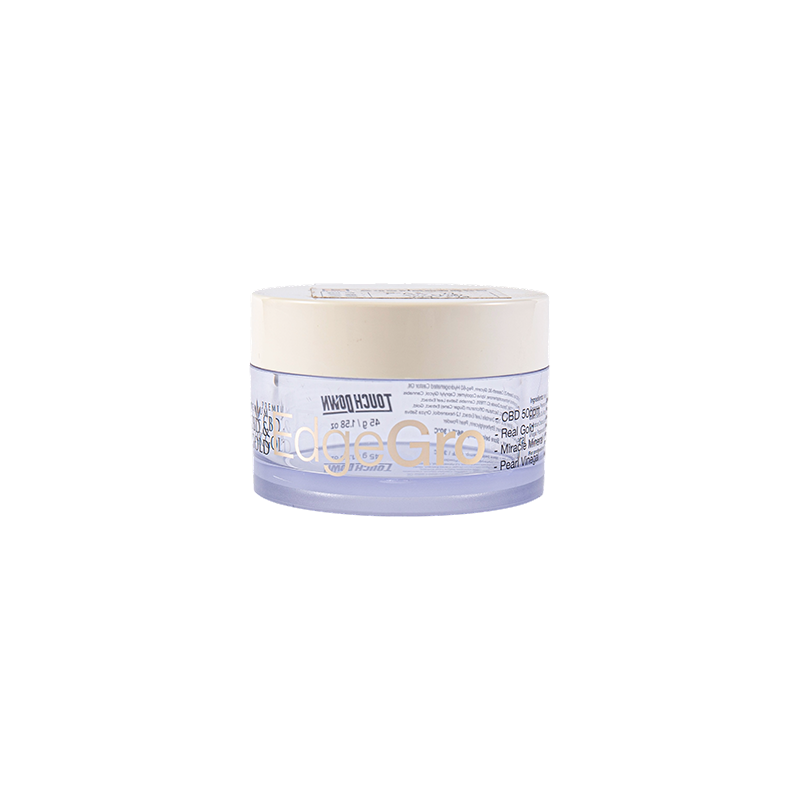 45ml clear and simple PET jar
45ml clear and simple PET jar is a practical and elegant packaging solution desi...
-
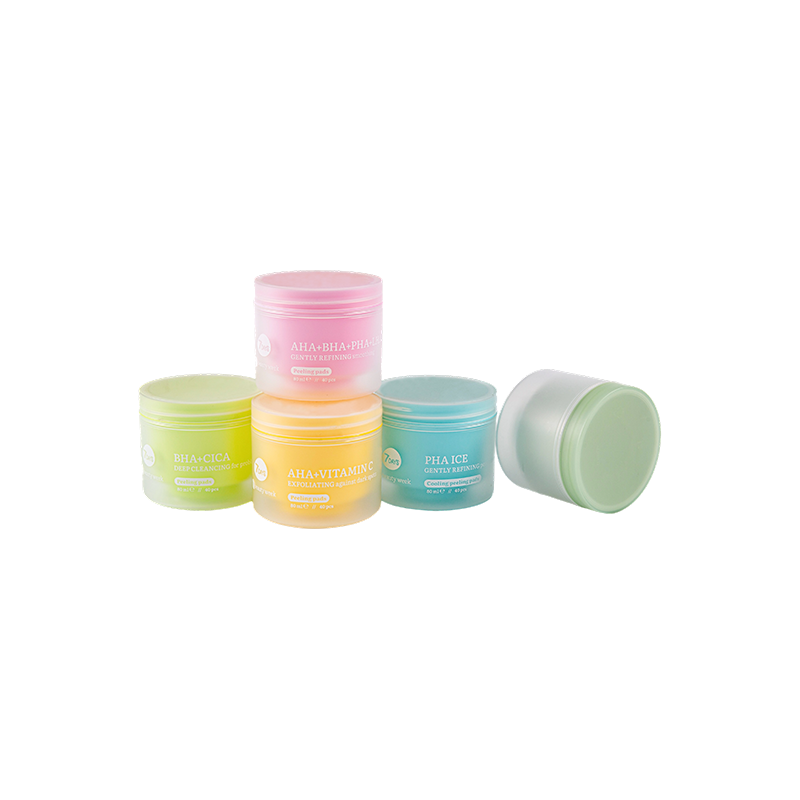 80ml lightweight and easy-to-grip dopamine pp jar
Meet the 80ml lightweight and easy-to-grip dopamine pp jar—a practical and vibra...
-
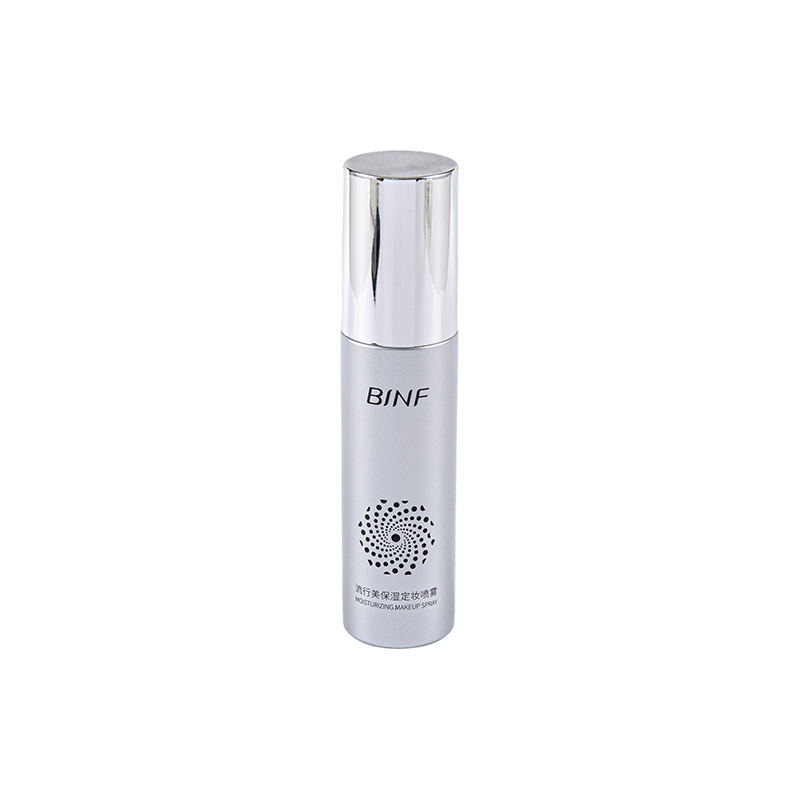 60ml Light Feather Mist PET Spray Bottle
Crafted from lightweight PET material, this 60ml Light Feather Mist PET Spray Bo...
-
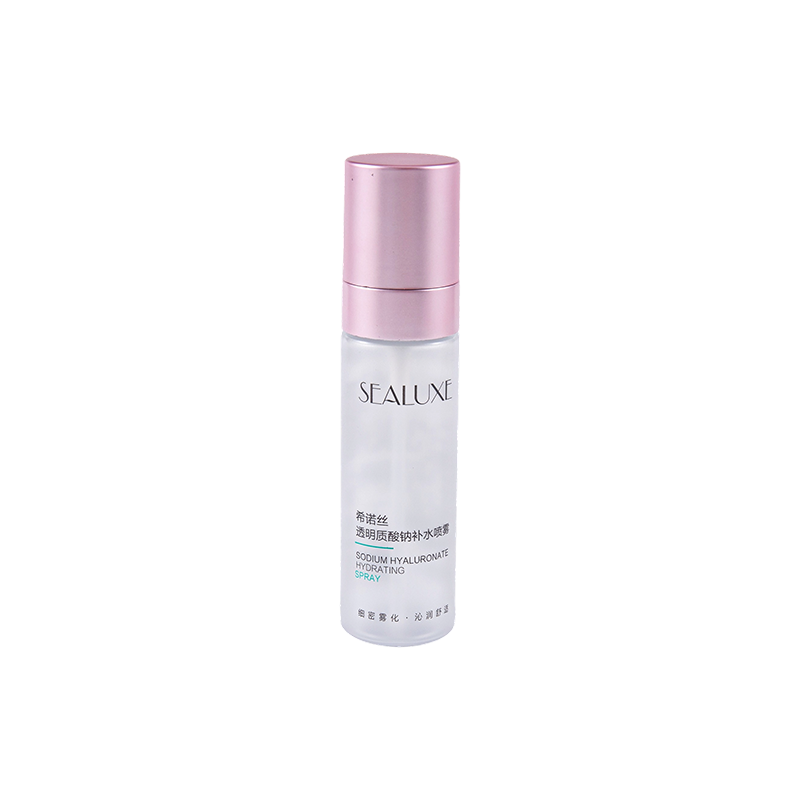 70ml safe and durable PET moisturizing spray bottle
Meet the 70ml safe and durable PET moisturizing spray bottle—a reliable companio...
-
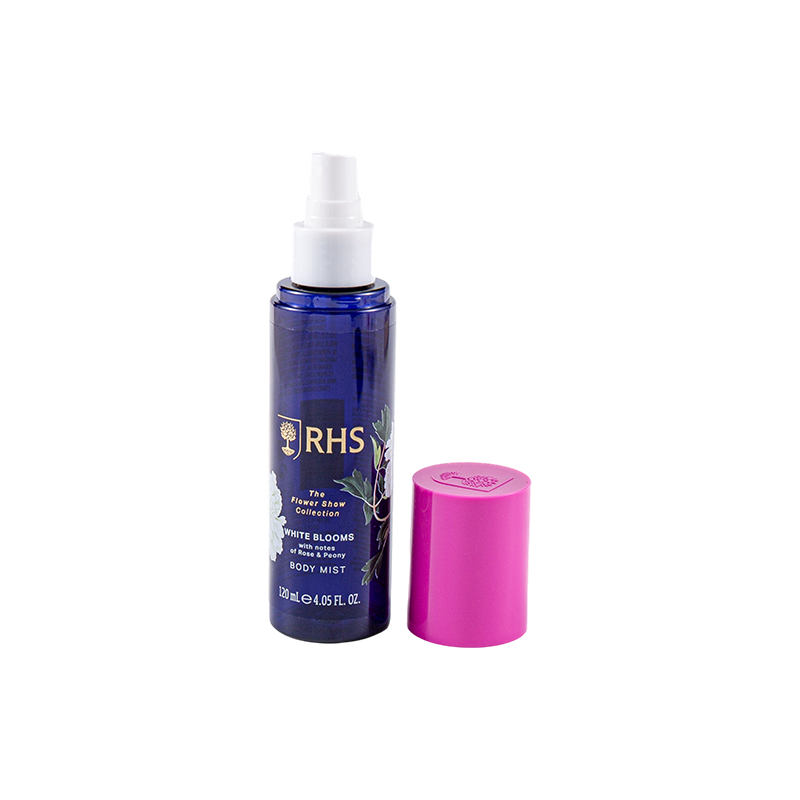 120ml retro fashion PET spray bottle
The 120ml retro fashion PET spray bottle is a blend of timeless style and practi...
-
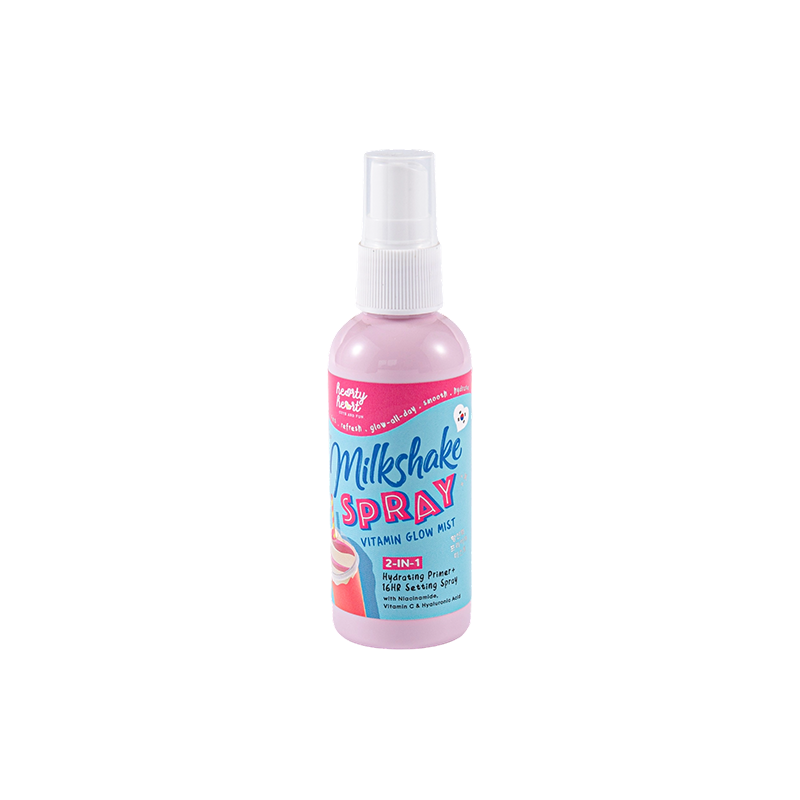 75ml tough PET spray bottle
The 75ml tough PET spray bottle, with its practical design and reliable performa...
-
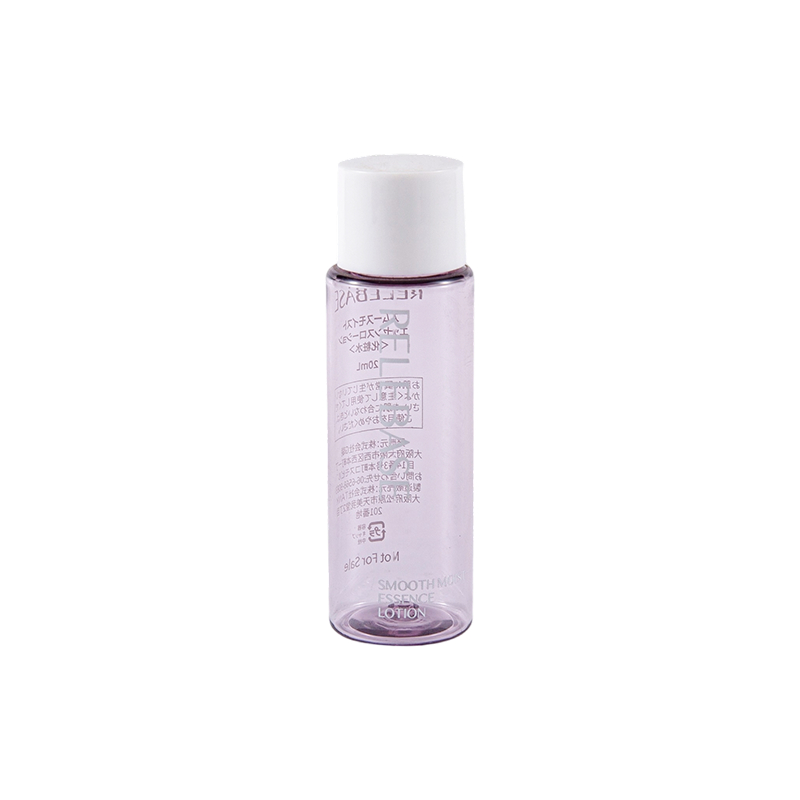 20ml shatter-resistant and easy-to-carry glass-clear PET bottle
For small-volume packaging like cosmetic samples and serum samples, a container ...
-
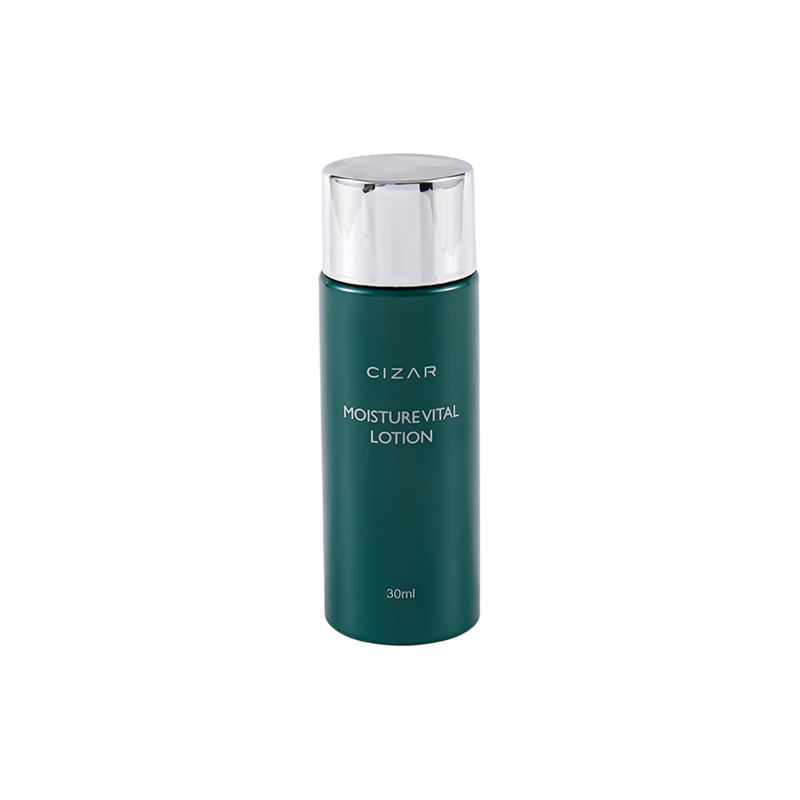 30ml safe, light and refreshing PET bottle
Designed for liquid products seeking convenience and quality, this 30ml safe, li...
-
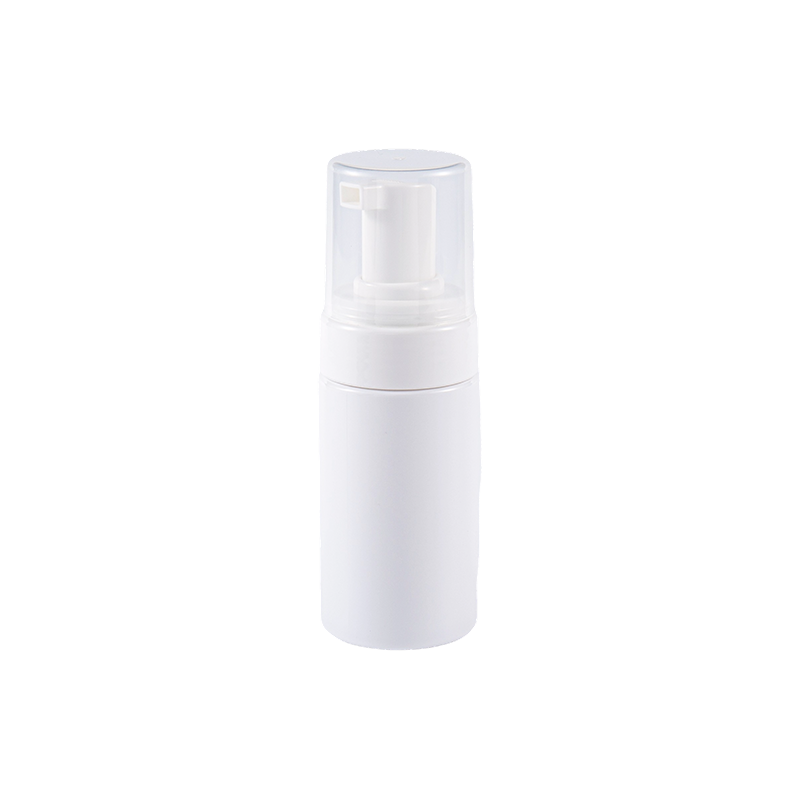 150ml simple white foam mousse bottle
The 150ml Simple White Foam Mousse Bottle, with its puristic design at its core,...
Empowering beauty and personal care brands with high-quality solutions, a luxury-grade carrier of aesthetics and functionality. Made of food-grade HDPE/PET/PP, with precise dosage control, anti-deterioration protection, and airtightness to extend shelf life.
Skin care product packaging plays a vital role in both protecting the product and enhancing the customer experience. More than just a container, it serves as a visual and functional extension of the brand. Modern skin care packaging is designed with several key features in mind: protection, convenience, hygiene, and sustainability. High-quality materials such as airless pumps, glass bottles, or recyclable plastics help shield products from air, light, and contamination, ensuring freshness and extending shelf life. Leak-proof caps and easy-to-use dispensers offer a mess-free, user-friendly experience, while travel-size options provide convenience on the go. Visually, packaging influences first impressions and buying decisions. Attractive designs, soft-touch finishes, and clear labeling create trust and communicate the brand’s promise. Whether it’s a minimalist serum bottle or a luxurious cream jar, the packaging tells a story about the product inside—natural, clinical, or eco-conscious.In terms of application, well-designed packaging supports a wide range of skin care products—from cleansers and toners to masks, serums, and moisturizers. For example, pump bottles prevent oxidation for vitamin C serums, while tubes with applicator tips are ideal for eye creams. Jars may come with spatulas to promote hygiene and prevent cross-contamination. Moreover, refillable packaging solutions are gaining popularity, helping brands reduce waste and build loyalty with environmentally aware consumers. In today’s competitive market, skin care packaging is not just about aesthetics—it’s a strategic tool for communication, safety, and sustainability. Brands that invest in thoughtful, functional packaging not only elevate their product's appeal but also strengthen consumer trust and drive repeat purchases.
Brotherpacking
Made by BrotherPacking, Built with Ingenuity
Brotherpack has been devoted to plastic bottle packaging for cosmetics, food, and health products for over 30 years, serving end-to-end solutions including product design, mold development, injection molding, blow molding, printing, labeling, and spraying.
The company boasts a 20,000-square-meter production base with 150 employees, technical and quality control people taking up 40%, technical backbone with over 10 years of industrial experience.With Class 100,000 cleanroom, we are strictly adhering to ISO quality standards to ensure that every step from raw material warehousing to finished product delivery is conducted in a clean and controlled environment, meeting the stringent hygiene requirements for food-contact material and high-end skincare packaging.
Keeping pace with industry trends, the company has introduced 80 sets of injection molding machines, high-speed CNC machines, fully electric blow molding lines, and multi-color printing equipment, delivering full workflow technical services from creative design,precision mold developing to diversified post-processing. To date, it has developed 5,000 sets of functional bottle molds with complex structures. For those brands with high requirements for surface treatment, we offer one-stop packaging solutions.We have established stable partnerships with over 20 cosmetic brands, including HENKEL, PROYA, MARY KAY, and INFINITUS.
Looking ahead, we will always be driven by technological innovation and safeguarded by commitment to quality, help branded clients optimize the production process, and achieve long-term success towards efficiency and consistent quality. Skin care product packaging Manufacturers and Skin care product packaging Factory, Wholesale Skin care product packaging Our products have obtained 31 national authorized patents and meet international ISO 9001 and QS certification requirements. With superior quality and excellent service, we have established partnerships with 20 leading daily chemical brands and have exported to 15 countries in Southeast Asia, Europe, and America.
-
25+
Years of Industry Experience
-
20000㎡
Manufacturing Facility
-
150+
Skilled Employees
-
100+
Advanced Production Machines

Message Feedback
News
-
Healthcare packaging does quiet, demanding work. A supplement bottle, a capsule container or a protein powder canister has to protect its contents, satisfy labeling and safety expectations, and still feel right in a customer's hand. Once a brand decides to go custom instead of buying a stock contai...
READ MORE -
Shampoo and conditioner bottles face one of the toughest jobs in personal care packaging. They carry viscous, surfactant-heavy formulas, sit in a wet shower environment, and need to dispense smoothly on every use. A bottle that cracks in transit, a pump that sticks after two months, or a label that...
READ MORE -
During a routine quality audit, a pharmaceutical brand discovered that its 30ml pill bottles had absorbed moisture during warehouse storage. The active ingredient in the tablets had started to degrade, and the entire batch was rejected. The problem was not the formula. It was the packaging material...
READ MORE
INDUSTRY KNOWLEDGE
1. Materials selection for barrier performance and feel
Practical material selection goes beyond "glass vs. plastic" — choose materials based on quantified barrier metrics (oxygen transmission rate, water vapor transmission rate, light transmission percentage) and tactile requirements (surface coefficient, thickness). For oxygen-sensitive serums, polyethylene terephthalate (PET) with an EVOH or SiOx barrier layer often balances cost and oxygen barrier; for very high-barrier needs consider laminated glass or multi-layer co-extruded tubes. When specifying substrate, require suppliers to supply measured OTR and WVTR values at stated temperature/humidity so you can model shelf life impacts rather than guessing.
Key test values to request from converters
- Oxygen transmission rate (cc/m²·day) at 23°C/50% RH and at accelerated conditions (e.g., 40°C/75% RH).
- Water vapor transmission rate (g/m²·day) under the same controlled conditions.
- Light transmittance % across 200–800 nm (critical for photo-oxidative actives).
- Surface energy/contact angle (relevant for adhesive label bonding and coating performance).
2. Compatibility testing: packaging × formula interactions
Compatibility testing should be done early and be formula-specific. Tests should include migration (GC-MS/HPLC of extractables), sorption (loss of active/solvent into skin care product packaging), discoloration, and mechanical effects (swelling/softening of elastomeric seals). Use accelerated aging (e.g., 40°C/75% RH for plastic; 50°C for short bursts) but always correlate accelerated results back to real-time data when possible.
A practical compatibility plan (minimum)
- Initial extraction screen: solvent blanks of packaging components analyzed for extractables.
- Short-term sorption: quantify active loss into substrate after 7, 14, 28 days.
- Container closure integrity on filled units (pressure decay or vacuum decay depending on closure).
- Visual and olfactory checks for discoloration or off-odors after stress.
3. Dispensing design to reduce contamination and waste
Design choices for pumps, droppers, and tubes impact both microbial risk and consumer usage. Airless pump systems reduce air ingress and preserve actives; metered pumps ensure dose consistency and reduce overuse. Consider valve designs with integrated filters if product will be used around the eye area or applied to compromised skin.
Practical dispensing features to specify
- Airless piston with one-way valve and silicone barrier for high-oxidation-sensitivity formulas.
- Metered dose pumps calibrated to deliver 0.2–0.5 mL for serums (document acceptable dose range with RSD ≤10%).
- Tamper-evident sealing that does not require full removal by elderly users (consider pull-tabs with easy-peel features).
4. Regulatory labeling and claims that affect packaging choices
Packaging must carry legally required information (ingredient declarations, net quantity, warnings, batch code, manufacturer/distributor address) placed legibly and durably. Certain claims (e.g., "recyclable," "biodegradable," "compostable") require evidence and often influence material selection — e.g., to claim "compostable" you may need EN 13432 certification and appropriate compostability logos, which excludes many multi-layer films.
Label durability & marking checklist
- Placement of net weight in metric units and font size per regional regulations.
- Batch/lot code and expiry or PAO (period after opening) symbol location and format—ensure permanent marking method for glass vs. plastic (inkjet vs. laser etch).
- Claims substantiation file: keep supplier certificates, third-party test reports, and artwork approvals together for audits.
5. Sustainable design and end-of-life planning
Design for recyclability often conflicts with barrier or aesthetic choices. Apply the "recycle-first" hierarchy: mono-materials > easily separable components > recyclable inks > reduction of mixed materials. If using multi-materials for barrier, provide clear consumer instructions for separation or label with EPR-compliant icons. Consider refill systems — if introducing a refill pouch, ensure pouch material has a lower lifecycle GHG footprint and that the closure is compatible with the primary unit.
Material sustainability comparison (quick reference)
| Material | End-of-life | Suitability |
| Glass | Widely recyclable | Good for oils/actives, heavier weight |
| Mono-polyethylene (PE/HDPE) | Recyclable where streams exist | Good for squeezables, recyclable if mono-material |
| Multi-layer laminates | Often not recyclable | Excellent barrier, low material weight |
6. Anti-counterfeiting and authentication methods
Counterfeits are a major risk for premium skincare. Options range from overt (holograms, tamper-evident seals) to covert (microtext, taggants, covert inks readable under UV) and forensic (DNA markers, isotopic tagging). Choose a layered approach: a consumer-verifiable overt feature plus a supply-chain-level covert or forensic feature for enforcement.
Implementation checklist
- Decide which SKU tiers warrant forensic tagging vs. overt features (cost-benefit analysis).
- Integrate authentication mark into artwork and manufacturing steps; avoid last-minute stick-ons that are easily copied.
- Maintain a secure database of serial numbers/unique QR codes for scan-to-verify systems.
7. Filling, capping and supply-chain robustness
Skin care product packaging selections must be validated on the intended production equipment. Consider tolerance stacks (bottle mouth finish variance, cap inner skirt tolerance) to ensure consistent sealing and torque. Also plan supply-chain resilience: dual-sourcing for critical components, safety stock calculations based on lead times, and clear change-control procedures with suppliers to manage material, color or finish changes that can affect fill lines or labeling.
Operational requirements to include in RFQs
- Maximum dimensional tolerance limits for neck finish, headspace and cap threads; include gauge drawing.
- Recommended capping torque range and cap push-on/final torque verification method.
- Minimum order quantities, lead times, and documentation for material certifications and change notifications.
Copyright © Suzhou Brotherpacking Plastic Co., Ltd. All Rights Reserved. Skin care product packaging Factory
