

 en
en  English
 Español
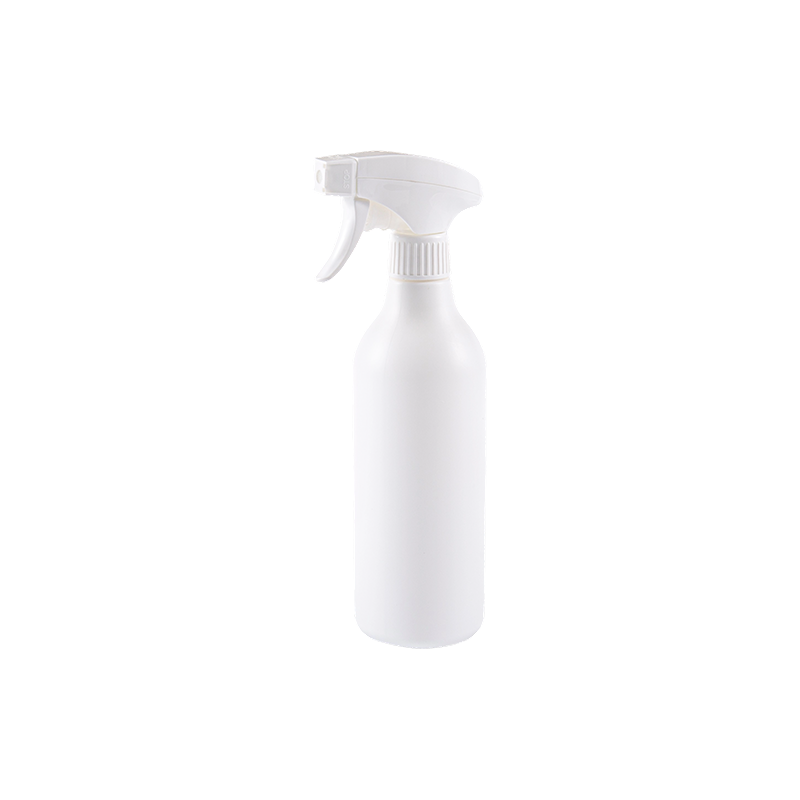
This 500ml tough material spray bottle from PE is the ideal choice for both dura...
Products
Plastic Bottle Packaging Factory
-
-
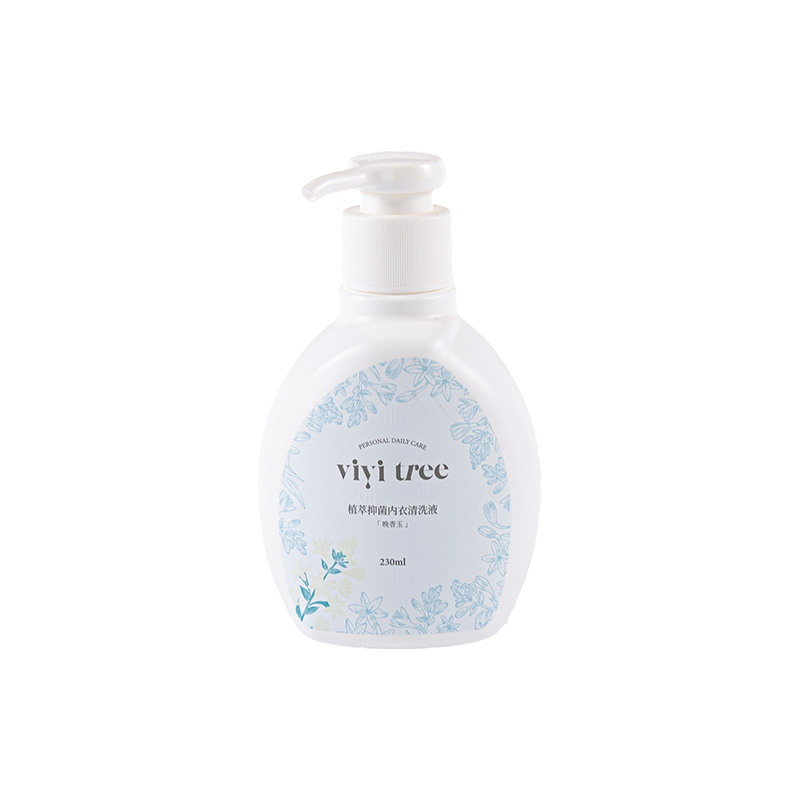 230ml pump head PE bottle
This 230ml PE bottle with a pump head is a perfect choice for both aesthetics an...
-
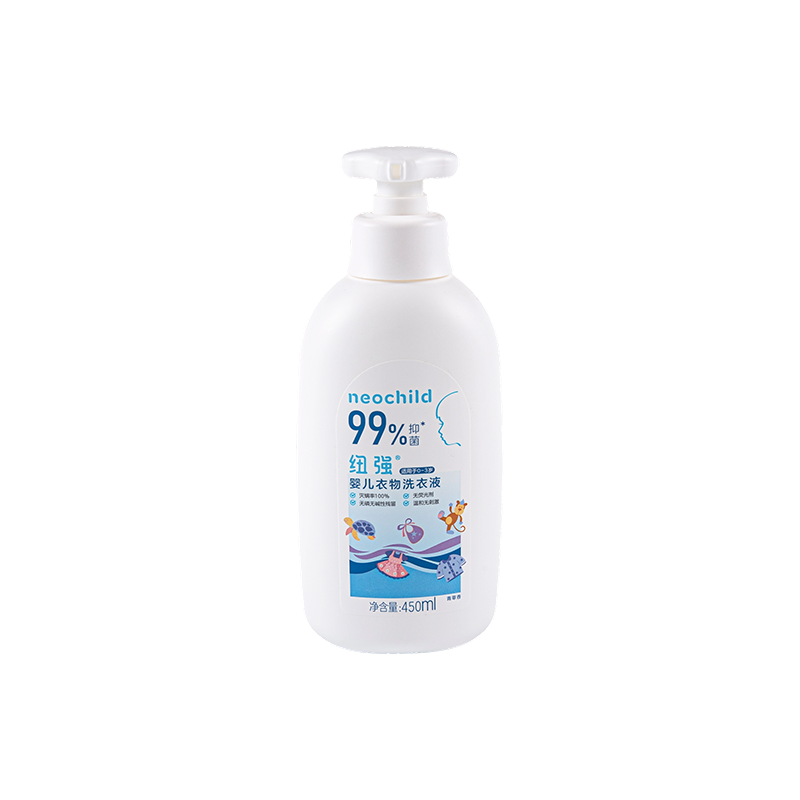 450ml chemical-resistant PE bottle
This 450ml chemical-resistant PE bottle is ideal for detergent packaging. Made o...
-
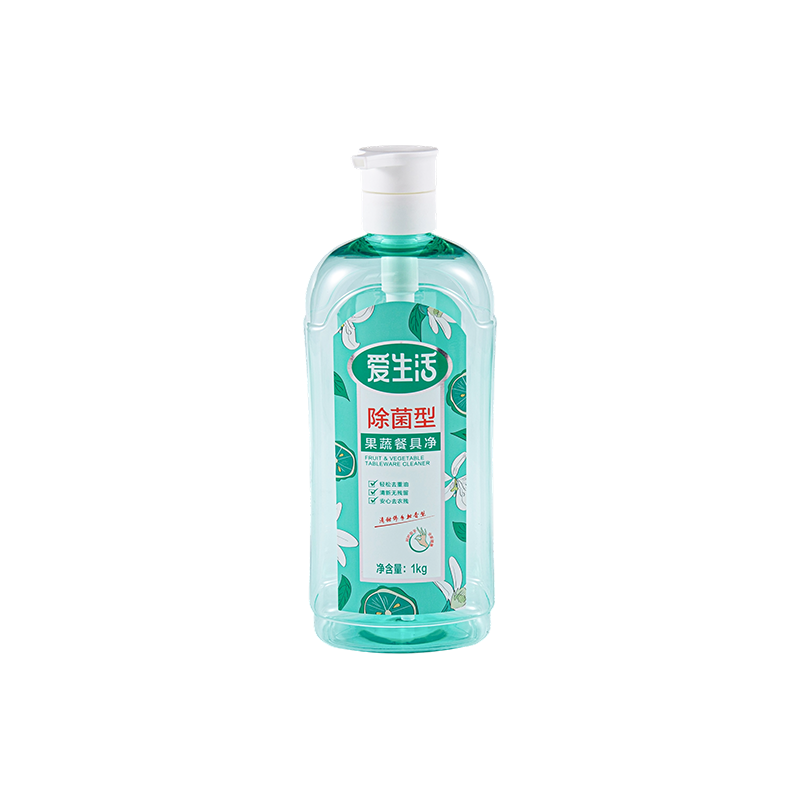 1000ml transparent chemical-resistant PET bottle
This 1000ml transparent, chemical-resistant PET bottle is ideal for filling dete...
-
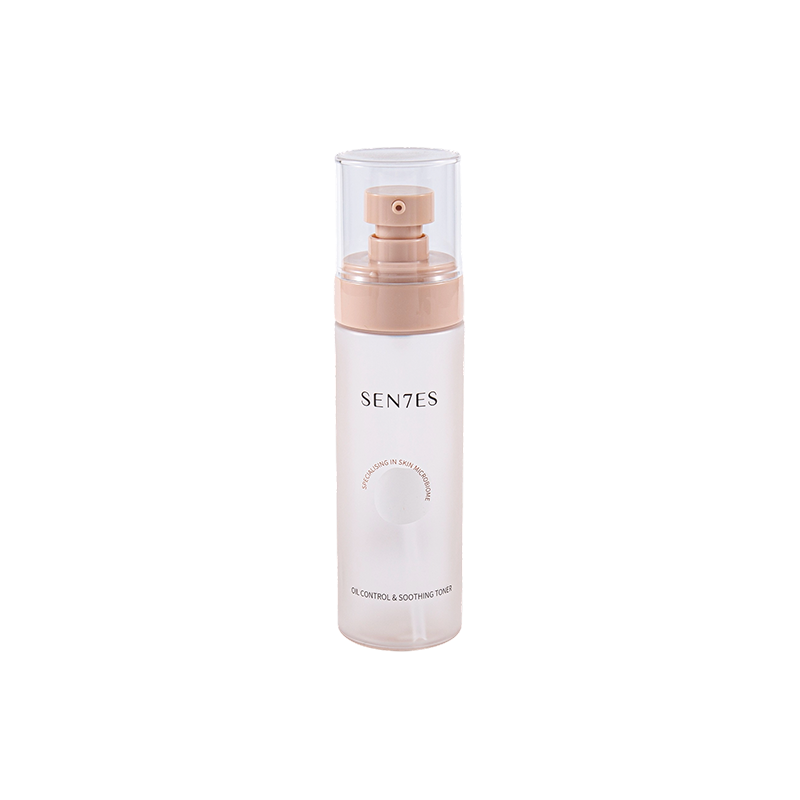 120ml safe and durable serum PET bottle
This 120ml safe and durable PET serum bottle is ideal for beauty and skincare pa...
-
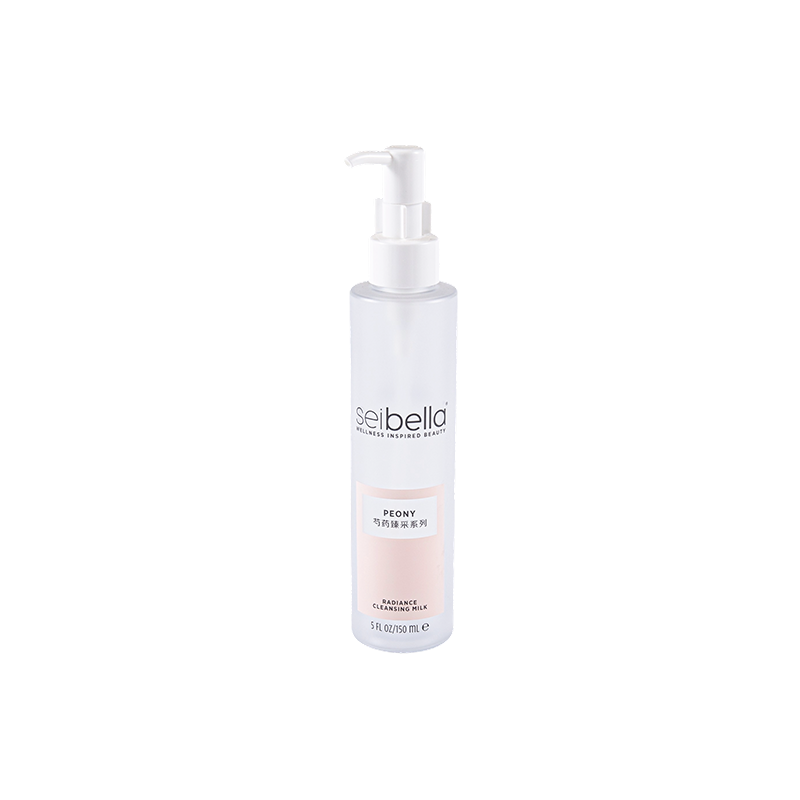 150ml transparent PET lotion bottle
This 150ml transparent PET lotion bottle is a practical choice for beauty and sk...
-
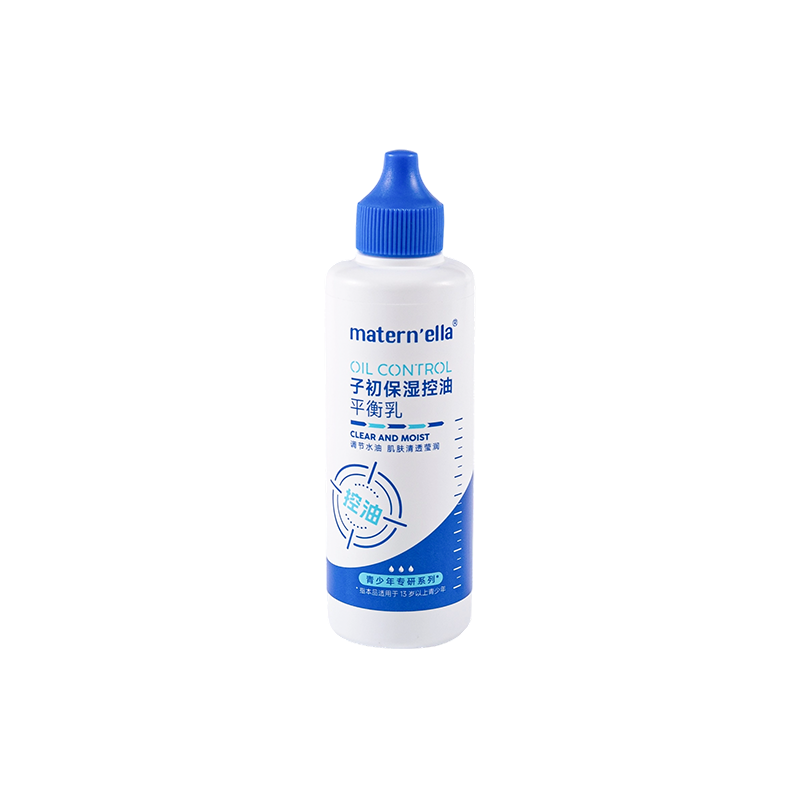 100ml shatterproof and heat-resistant PET lotion bottle
The 100ml shatterproof and heat-resistant PET lotion bottle is ideal for skincar...
-
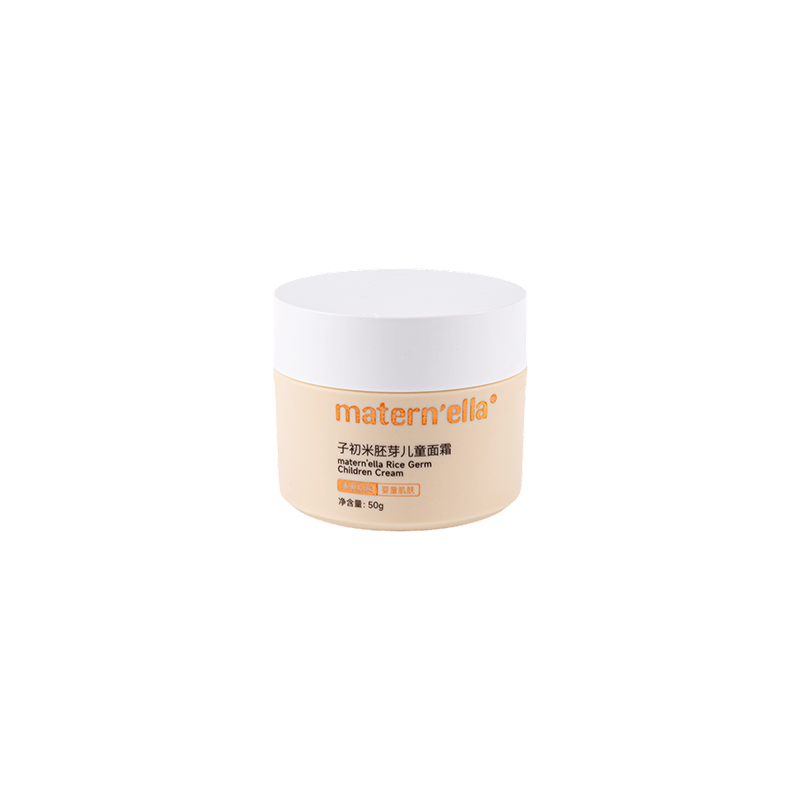 50ml compact and exquisite PP jar
This 50ml Small and Exquisite PP jar is ideal for packaging children's face crea...
-
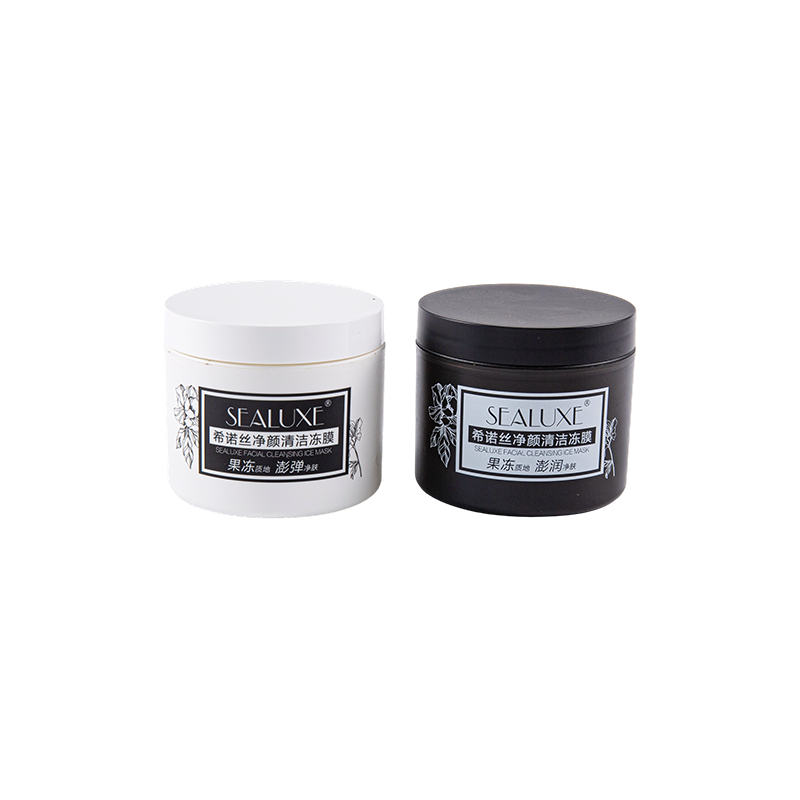 110ml wide-mouth PP jar
This 110ml wide-mouth PP jar is ideal for packaging creams. Available in white o...
-
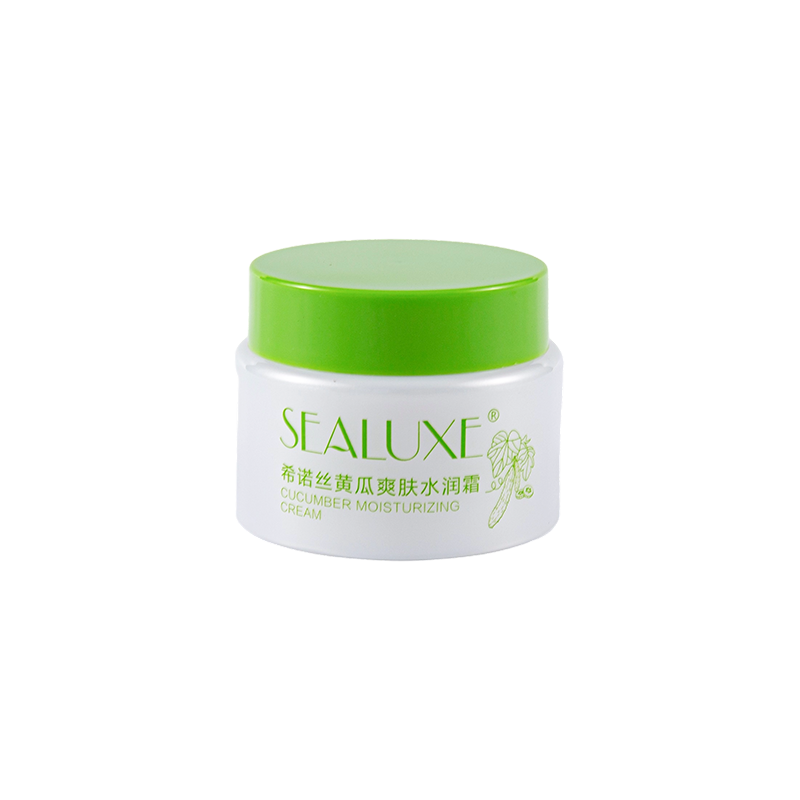 50ml white pp jar
This 50ml white PP jar features a clever design. The pure white jar paired with ...
-
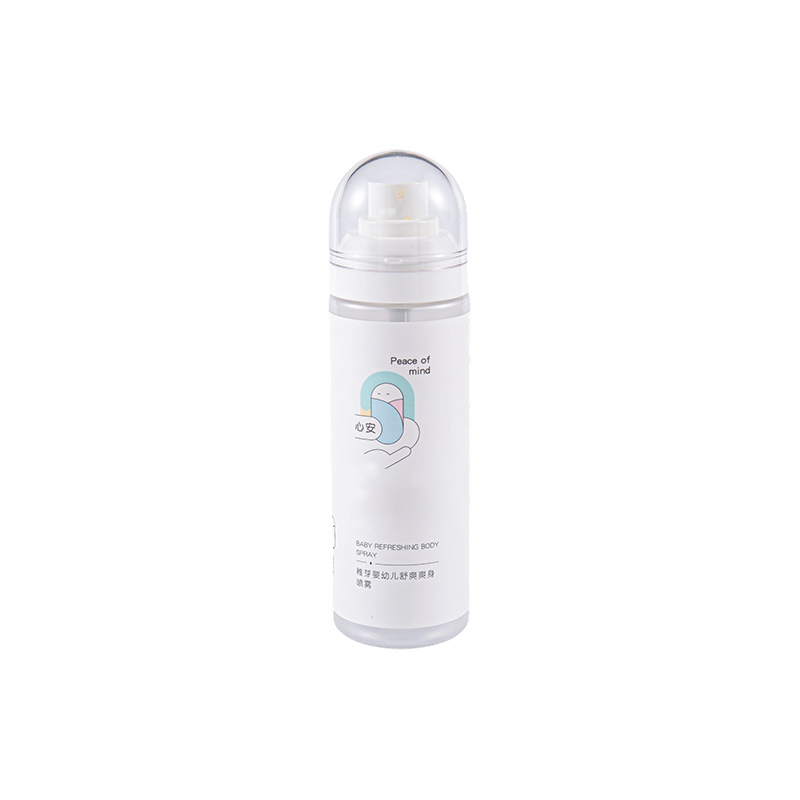 100ml transparent domed PET spray bottle
This 100ml transparent domed PET spray bottle features a simple white color sche...
-
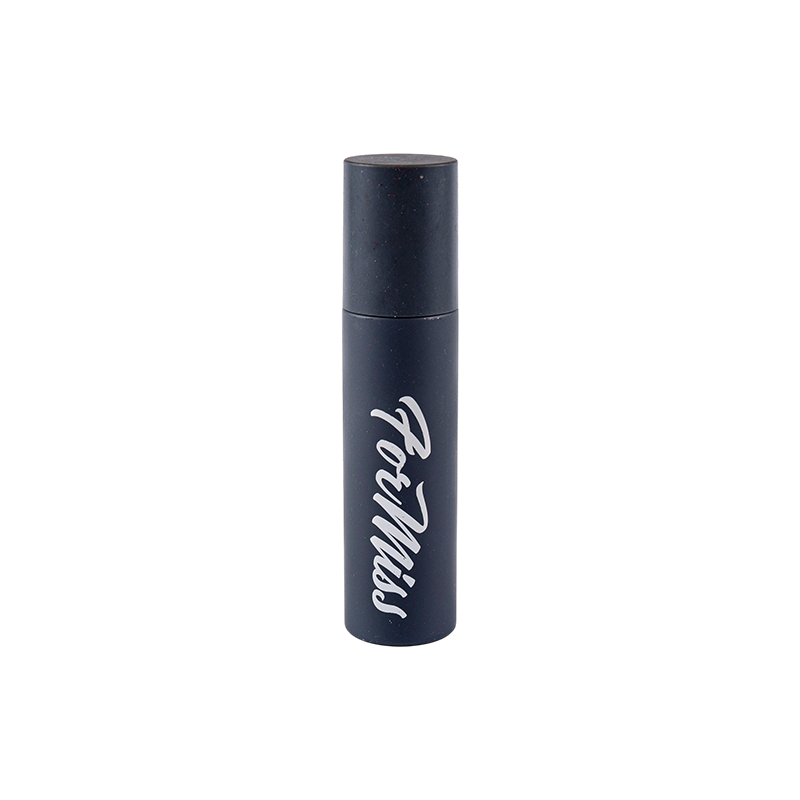 150ml lightweight and shatter-resistant PET spray bottle
This 150ml lightweight and shatter-resistant PET spray bottle is made of lightwe...
Brotherpacking
Made by BrotherPacking, Built with Ingenuity
Suzhou Brotherpacking Plastic Co., Ltd. , established in 2013, is a professional manufacturer specializing in custom plastic packaging for the daily chemical industry. As Plastic Bottle Packaging Factory and Custom Cosmetic Packaging Bottle Solution, with a fully integrated production system — including in-house mold design, product development, injection and blow molding, labeling, and final assembly — we serve a wide range of packaging needs for skincare, haircare, body care, and home care brands. Our facility includes an independent mold workshop, high-speed CNC machines, over 50 injection machines and 30+ blow molding machines, supporting multiple material types such as PE, PP, PET, and PETG. Products are exported across Europe, the Americas, and Southeast Asia. Support Wholesale Daily Chemical Plastic Packaging Bottle. At BrotherPack, we uphold the spirit of craftsmanship and continuous improvement, delivering high-quality, flexible, and scalable packaging solutions trusted by global clients.
-
25+
Years of Industry Experience
-
20000㎡
Manufacturing Facility
-
150+
Skilled Employees
-
100+
Advanced Production Machines

Message Feedback
News
-
To continuously improve product quality and market competitiveness, Suzhou Brotherpacking Plastic Co., Ltd. will officially launch its Class 100,000 cleanroom construction project next month. This significant move marks a solid step forward for the company in intelligent manufacturing, quality manag...
READ MORE -
An 8,000-square-meter standard production workshop with a daily output of approximately 300,000 pieces; over 50 injection molding machines and over 30 blow molding machines; annual production of 250 sets of various multi-cavity caps and cream jar molds; customized capabilities including mold design,...
READ MORE -
What Is a Plastic Toner Bottle and What Role Does It Play in Printing? A plastic toner bottle is a precision-molded container designed to store, protect, and dispense dry toner powder used in laser printers, digital copiers, and multifunction devices. Unlike ink cartridges that hold liquid, toner b...
READ MORE
INDUSTRY KNOWLEDGE
1. Material selection beyond PET/PCR — matching barrier, processability and cost
Choosing a plastic bottle packaging material for cosmetics should go past the shorthand “PET vs HDPE.” Consider three simultaneous constraints: functional barrier (oxygen, water vapor), aesthetic requirements (gloss, clarity, dyeability), and the processing window of your contract filler. For example, amorphous PET gives excellent clarity for serums but has different thermoforming and shrink characteristics than crystallizable PET used for hot-fill applications. When specifying material, always list the target service life, expected headspace oxygen and volatile exposure, and the aesthetic finish — suppliers can then propose mono- vs. co-extruded options that hit that triad.
Practical checklist for material selection
- Define product chemistry: aqueous, oil-based, alcohol content ≥20% (solvents affect plastic selection).
- Specify required barrier metrics (target OTR and WVTR values) rather than vague “low-permeability.”
- State processing constraints: blow-molding temp range, fill-temperature, and whether secondary thermal decorating will be used.
- Ask suppliers for technical data sheets showing tensile, gloss, and migration test results under your typical storage temperature.
2. Design for automated filling and capping — avoid late-stage surprises
Many cosmetic lines fail speed or yield targets because the bottle geometry wasn’t validated against the filler/capper. Key design dimensions to validate early are neck finish, panel stiffness (for vacuum or compression during capping), and base geometry (stable on conveyors and nesting in accumulators). Prototype trials on the actual line — or at least on an equivalent servo-driven filler — will reveal handling, vacuum pick-and-place, and torque variability issues that are hard to predict from CAD alone.
Design rules to reduce line stoppages
- Standardize neck finishes across SKUs when possible to reduce changeover and spare-parts inventory.
- Include 2–3 mm stiffening ribs or a gentle draft on thin panels to prevent panel collapse under vacuum or high-torque capping.
- Specify target cap torque and acceptable ± range for torque feedback systems — design thread depth and lead to match those torque limits.
- Validate stack/nest geometry for shrink-wrapped multipacks — mis-nesting is a common cause of conveyor jams.
3. Practical recyclability scoring and LCA shortcuts for quick supplier comparisons
Full life-cycle assessments (LCAs) are ideal but time-consuming. For quick comparisons between bottle suppliers, use a simple recyclability scoring matrix that weights polymer type, mono-material design, presence of non-recyclable additives (metallic pigments, multi-material labels), and use of post-consumer recycled (PCR) content. This gives a numerical score you can use when selecting between competing quotes without waiting for full cradle-to-grave LCAs.
Example quick scoring matrix (use to rank proposals)
| Criterion | Max points | Scoring guidance |
|---|---|---|
| Mono-material design | 30 | Full mono (30); compatible multi-layer (15); mixed incompatible materials (0). |
| PCR content | 25 | >50% (25); 10–50% (15); <10% (5). |
| Label & closure recyclability | 25 | Same polymer label/closure (25); removable label (10); incompatible (0). |
| Transport mass efficiency | 20 | Lightweighting that maintains performance (20); over-spec mass (0). |
4. Barrier strategies: pragmatic use of coatings and multi-layer structures
When product shelf life is limited by oxygen or VOC loss, there are two practical routes: apply functional barrier coatings to a mono-material shell, or move to multilayer co-extruded bottles with a barrier core. Coatings (PVOH, SiOx, or hybrid polymeric barriers) are often lower cost for low-volume SKUs and keep the bottle mono-polymer for recycling. Multilayer co-extrusion gives superior and uniform barrier but complicates end-of-life recycling unless the layers are chemically compatible or designed to be delaminated in recycling streams.
When to choose coatings vs. multilayer
- Coatings: choose when clarity and recyclability are priorities and expected barrier improvements are moderate (e.g., extend shelf life by weeks to months).
- Multi-layer: choose when you need high, long-term barrier (months to years) or when the product contains reactive ingredients that require a true gas/vapor barrier.
- Hybrid: apply a thin inorganic coating (e.g., SiOx) inside a mono-PET bottle for high barrier while keeping the bulk polymer mono-material — verify coating adhesion under filling and cold-chain conditions.
5. Regulatory, migration testing and labeling — practical minimums for cosmetics in bottles
Regulatory requirements vary by market, but for cosmetic packaging solution there are consistent practical minimums every brand should require from their packaging suppliers: specific migration tests against the actual formula, extractables profile under accelerated aging, and evidence of compliance for additives (UV stabilizers, pigments). Don’t accept generic certificates — require test reports tied to the exact resin batch and the intended product contact conditions (temperature and storage duration).
Minimum tests and documentation to request
- Specific migration testing using your finished formulation (or a worst-case simulant) with temperatures/time representative of storage and transport.
- Extractables profile (GC/MS, LC/MS) on the actual bottle and cap materials after accelerated aging.
- Declaration of compliance for regulated additives and pigments, including CAS numbers and maximum use concentrations.
- Clear labeling guidance for secondary packaging: recycling instructions, PCR percentages, and cautionary storage statements as required by target markets.
Copyright © Suzhou Brotherpacking Plastic Co., Ltd. All Rights Reserved. Wholesale Daily Chemical Plastic Packaging Bottle
