

 en
en  English
 Español


Walk down any pharmacy aisle and the majority of shampoo, body wash, and lotion bottles share one thing in common: they are made of polyethylene (PE). Despite the growing presence of PET and PP alternatives, continue to dominate personal care and household product packaging. Understanding why requires a close look at PE's material properties, cost economics, application versatility, and evolving sustainability profile.
What is a PE bottle?
PE stands for polyethylene, one of the most widely produced thermoplastic resins in the world. In personal care packaging, two grades are commercially relevant: HDPE (high-density polyethylene) and LDPE (low-density polyethylene). HDPE produces rigid, strong-walled bottles ideal for shampoos, conditioners, and household cleaners. LDPE yields softer, squeezable formats suited for lotions, serums, and tubes. Both are produced through extrusion or injection blow-molding — processes that are cost-efficient, high-speed, and industrially mature.
Key applications in personal care and household products
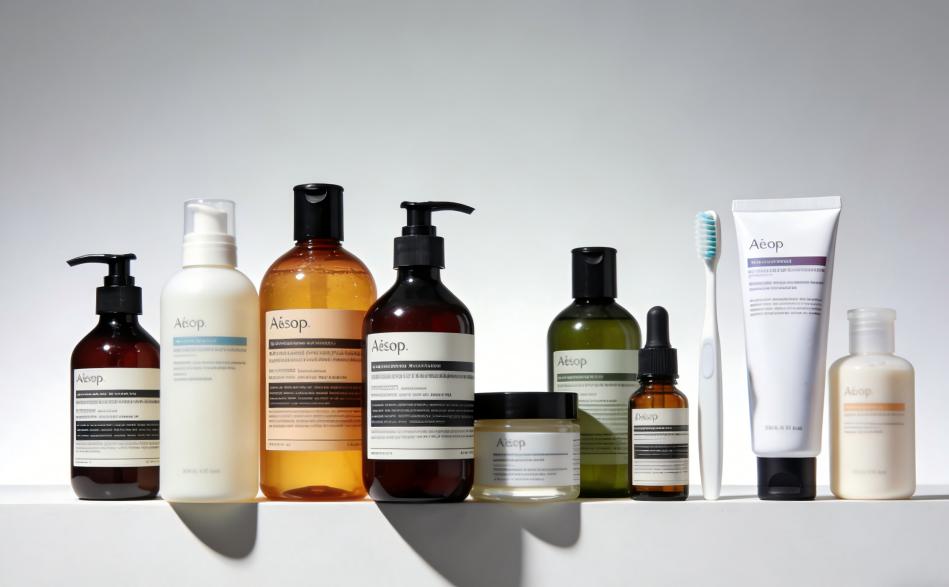
HDPE is the dominant substrate for rinse-off hair care. Its rigidity allows tall, narrow bottle forms while its chemical resistance handles surfactant-heavy formulations without wall degradation. For body wash and shower gel, high-volume everyday brands rely on HDPE for its low per-unit cost and compatibility with pump or flip-top closures. LDPE squeeze bottles suit thicker gel formats where tactile dispensing matters. Hand and body lotions leverage LDPE's flexibility to allow users to squeeze residual product from the bottom — a small functional benefit that consumers notice. In the household cleaning segment, laundry detergents, fabric softeners, and multi-surface cleaners overwhelmingly use HDPE for its outstanding resistance to alkalis, acids, and bleach-based chemistries.
Why PE outperforms alternatives in most segments
The dominance of PE in personal care packaging comes down to five structural advantages that PET and PP cannot simultaneously match at the same price point.
First, cost efficiency. PE resin — particularly HDPE — is among the cheapest commodity plastics globally. Coupled with high-speed blow-molding, this makes PE bottles the default choice for brands prioritizing unit economics in high-turnover SKUs. Second, chemical compatibility. Personal care formulations contain surfactants, emulsifiers, preservatives, fragrances, and pH-adjusting agents. HDPE's non-polar polymer chain offers exceptional resistance to most of these substances, preventing wall stress-cracking, discoloration, or permeation that can compromise product integrity over a 24-month shelf life. Third, design flexibility. PE can be pigmented into virtually any color and is easily decorated via direct printing, label application, or sleeve shrink wrapping. The softness gradient between LDPE and HDPE allows packaging engineers to tune tactile stiffness — a subtle but commercially meaningful variable. Fourth, processing maturity. Blow-molding PE is a stable, well-understood industrial process. Tooling costs are low, ramp-up times are short, and global converter capacity is enormous, enabling brands to scale quickly without quality risk. Fifth, established recyclability. HDPE (resin code #2) is one of the most widely collected and recycled plastics globally, supporting EPR compliance obligations and post-consumer recycled (PCR) content claims increasingly required by major retail partners.
PE vs. PET vs. PP: a direct comparison
| CRITERION | PE | PET | PP |
| Unit cost | Lowest | Medium | Medium–high |
| Clarity | Opaque / pigmented | Crystal clear | Translucent |
| Chemical resistance | Excellent | Good | Very good |
| Heat resistance | Moderate (~60°C) | Moderate (~70°C) | High (~130°C) |
| Squeeze flexibility | Excellent (LDPE) | Rigid only | Semi-rigid |
| Recyclability | High (#2 HDPE) | Highest (#1 PET) | Improving (#5 PP) |
| Best fit | Mass-market care | Premium / serum | Closures / pumps |
Where PE falls short
PE is not universally optimal. Its opacity limits applications where product visibility is a brand strategy — transparent PET bottles that showcase a pink body wash or amber facial oil carry inherent shelf appeal that PE cannot replicate. PE also performs poorly at elevated temperatures, making it unsuitable for hot-fill processes or sterilizable packaging where PP or glass are required. And while HDPE recycling infrastructure is strong, achieving bright or white post-consumer recycled HDPE at scale remains difficult because of color contamination in collected streams, limiting some premium PCR aesthetics.
Sustainability trajectory
The personal care industry is under increasing pressure to demonstrate packaging circularity. For PE bottles, three strategies are taking hold. PCR content integration — replacing 25–50% virgin resin with post-consumer recycled HDPE — is now achievable at commercial scale, with certified PCR grades widely available from converters in Europe and North America. Lightweighting programs are reducing average HDPE bottle wall thickness by 15–20% without structural compromise, cutting total resin consumption per SKU. Finally, mono-material packaging mandates driven by EU Packaging and Packaging Waste Regulation (PPWR) favor HDPE's single-resin composition over multi-layer structures, strengthening its long-term regulatory position.
Conclusion
PE bottles remain the most practical and commercially compelling choice for the majority of personal care and household packaging applications. Their combination of low cost, chemical durability, squeeze functionality, and recyclability is unmatched in the commodity resin market. PET wins where transparency and premium aesthetics are non-negotiable; PP is essential for heat-resistant closures and dispensing systems. But for brands operating at volume and seeking packaging that balances performance, cost, and sustainability credentials, the PE bottle — in HDPE or LDPE — continues to set the benchmark.
