

 en
en  English
 Español


Content
- 1 What Are the Common Materials Used in Daily Chemical Products Packaging?
- 2 How Do Packaging Designs Impact Daily Chemical Products?
- 3 What Are the Key Packaging Methods for Daily Chemical Products?
- 4 How Is Safety Ensured in Chemical Product Packaging?
- 5 What Are the Trends in Daily Chemical Product Packaging?
- 6 Conclusion: How to Choose the Right Packaging for Daily Chemical Products?
Packaging plays a critical role in the daily chemical products industry. It ensures product safety, maintains quality, and facilitates proper usage. From cleaning agents and personal care products to detergents and disinfectants, packaging not only protects the chemical contents but also provides vital information for consumers, such as dosage instructions, safety precautions, and expiration dates. Proper packaging can enhance brand recognition and influence consumer choice, making it a key factor in market success.
What Are the Common Materials Used in Daily Chemical Products Packaging?
The choice of packaging material depends on the product type, chemical properties, storage requirements, and environmental considerations. Common materials include:
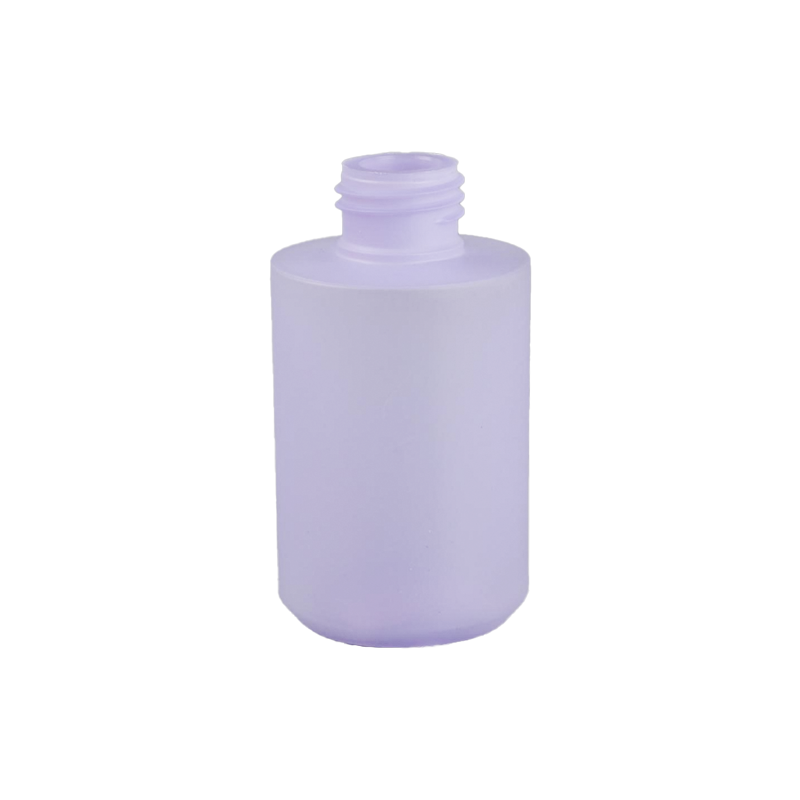
- Plastic: High-density polyethylene (HDPE) and polyethylene terephthalate (PET) are widely used for bottles, jars, and caps due to their chemical resistance and durability.
- Glass: Preferred for products sensitive to chemical reactions with plastics, glass offers inertness and premium appeal.
- Metal: Aluminum and tin are used for aerosol cans and certain containers to ensure structural strength and protection from light or air exposure.
- Paperboard and Laminates: Often used for secondary packaging, boxes, and pouches that require lightweight and eco-friendly solutions.
How Do Packaging Designs Impact Daily Chemical Products?
Packaging design is critical for both functionality and marketing. Key considerations include:
- Ease of Use: Pumps, spray nozzles, flip-top caps, and squeeze bottles improve user experience and dosage control.
- Product Protection: Packaging must prevent leaks, spills, or degradation caused by light, heat, moisture, or air.
- Branding and Communication: Labels convey important information such as ingredients, safety instructions, certifications, and brand identity.
- Sustainability: Consumers increasingly prefer recyclable or biodegradable materials, making sustainable design a competitive advantage.
What Are the Key Packaging Methods for Daily Chemical Products?
The packaging method depends on the type of chemical product and production scale. Common techniques include:
- Blow Molding: Used for manufacturing bottles and containers from plastic with precision shape and size.
- Aerosol Filling: Pressurized packaging for sprays and foams, ensuring uniform dispersion.
- Bag-in-Box and Pouches: Ideal for liquid detergents, refill packs, and concentrated solutions to reduce waste.
- Capping and Sealing: Ensures leak-proof containers and maintains product integrity during transportation and storage.
- Secondary Packaging: Cartons, shrink wraps, and multipacks protect products and simplify logistics.
How Is Safety Ensured in Chemical Product Packaging?
Safety is paramount when dealing with chemical products. Packaging must minimize risks to consumers and the environment. Key safety measures include:
- Child-Resistant Closures: Prevent accidental ingestion of hazardous chemicals.
- Tamper-Evident Seals: Ensure the product has not been opened or contaminated before use.
- Clear Labeling: Includes hazard symbols, first aid instructions, and dosage directions for safe use.
- Durable Containers: Resistant to impact, temperature changes, and chemical reactions that could compromise safety.
What Are the Trends in Daily Chemical Product Packaging?
The industry is evolving with a focus on sustainability, convenience, and innovation. Emerging trends include:
- Eco-Friendly Materials: Biodegradable plastics, recycled plastics, and paper-based packaging are gaining popularity.
- Smart Packaging: QR codes, NFC tags, and interactive labels provide product information and consumer engagement.
- Refillable and Reusable Containers: Encourage sustainability and reduce packaging waste.
- Minimalist Design: Simple, functional packaging that reduces material usage and appeals to modern consumer aesthetics.
Conclusion: How to Choose the Right Packaging for Daily Chemical Products?
Choosing the right packaging for daily chemical products involves balancing protection, functionality, consumer safety, and environmental impact. Selecting the appropriate material, closure system, labeling, and design ensures product integrity, enhances brand recognition, and meets regulatory requirements. By understanding industry trends and prioritizing both safety and sustainability, manufacturers can provide high-quality, appealing, and reliable products to the market.
